Two figures are at the heart of hot water system safety in Australia: 60°C for storage to put a check on Legionella, and 50°C as the limit for delivery in most residences to guard against scalding. You will find a 45°C cap is called for in certain early-childhood, health or aged-care environments.
Compliance with these is in keeping with the National Construction Code (NCC), AS/NZS 3500.4 and any state plumbing regulations, not to mention what the manufacturer says. But since the fine print can be different from one building or state to another, it is best to have a licensed plumber, electrician or gasfitter do the work. For more practical advice, see this system repair or replacement guide. I am Anna Marlowe; after my share of temperamental appliances and cold showers I can say there is no room for guesswork where hot water safety is concerned.
Hot Water Regulations Made Clear
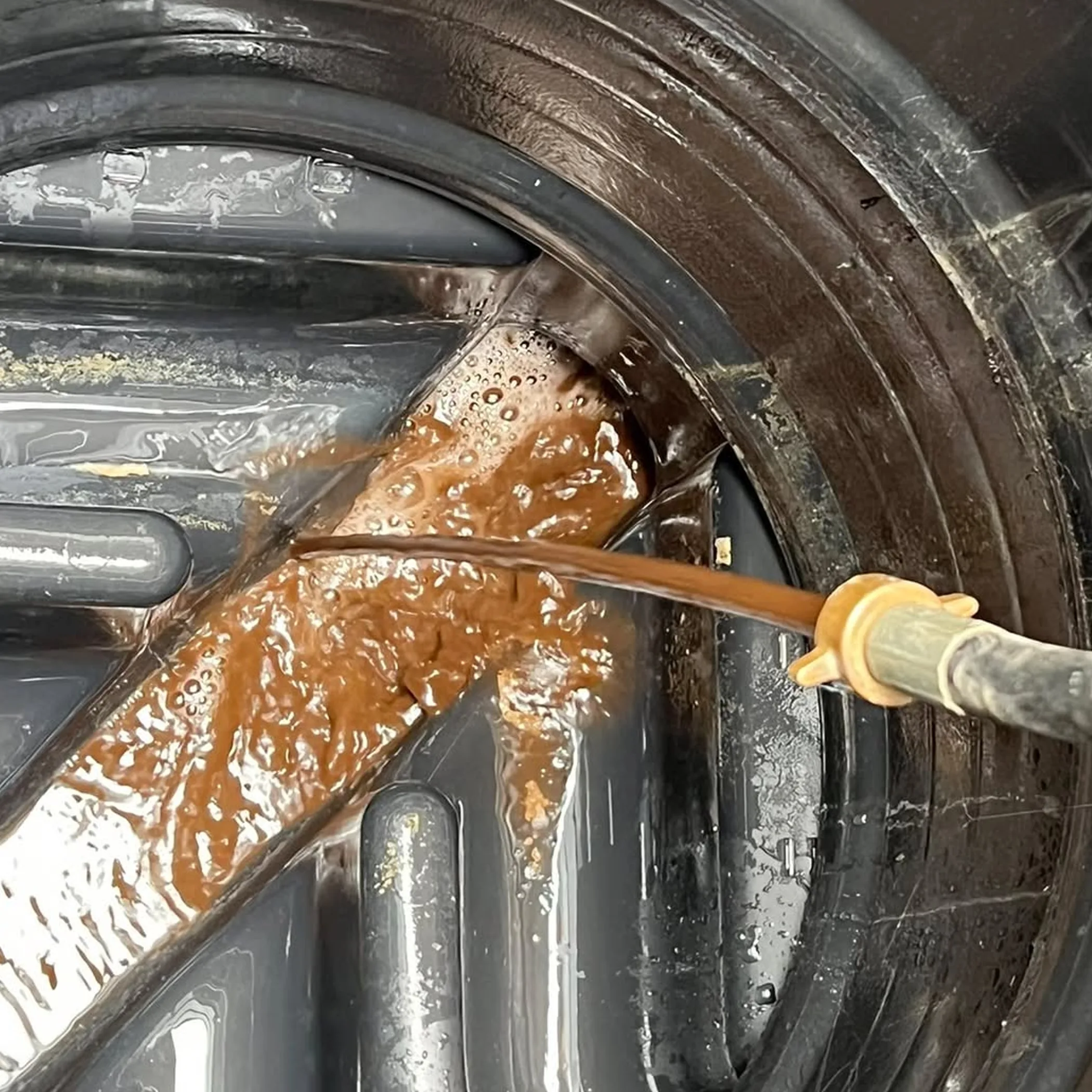
The purpose of the regulations here is to strike a balance between the threat of bacteria in stored water and the danger of a burn at the tap. The tank must be sufficiently heated yet the water in your bath or basin should not be.
Do not assume there is a legal setting that applies across the board in Australia. It could be a matter of the building classification, the fixture, the state or territory, or if there are vulnerable occupants.
Storage And Delivery Temperatures
A 60°C is standard for many storage systems to deal with Legionella. That is not to say your taps should be putting out 60°C. In an ordinary home you would have a thermostatic or tempering valve to mix in some cold and keep the delivery down.
For heated water services the plumbing standard of reference is AS/NZS 3500.4. New work and alterations will also be subject to NCC requirements. Standards get updated so a compliance check is in order before you install or make major changes to a system. Property owners in New South Wales might look to the Government’s plumbing and drainage guidance but it is no substitute for advice on their particular property.
Set The Right Water Temperature
Where the water is used and where it is kept will dictate the right temperature. One wants a system that is safe from bacterial risks in the tank and will not come to harm a child or an older person at the outlet.
It is not wise to simply turn the thermostat without looking at the system as a whole. One could be creating a problem and leaving the storage tank below the mark for controlling Legionella.
Know The Key Numbers
| Location Or Use | Common Requirement | Why |
|---|---|---|
| Stored water (many systems) | 60°C | For Legionella control with proper installation and upkeep |
| Sanitary outlets in the home | 50°C max | To lessen the chance of a bad scald |
| Some healthcare and early-childhood premises | 45°C max | Extra protection for those prone to burns |
Take these as points of reference, not a licence to tinker with equipment. Let the plumber verify the tempering valve and test the outlet to see if another limit is in force for the building.
As for a household test, put a good thermometer to the warm water at the basin once the flow has evened out. Do not make a hand under the water your gauge; hands are not calibrated and a toddler is no lab assistant.
Prevent Scalding At Every Tap
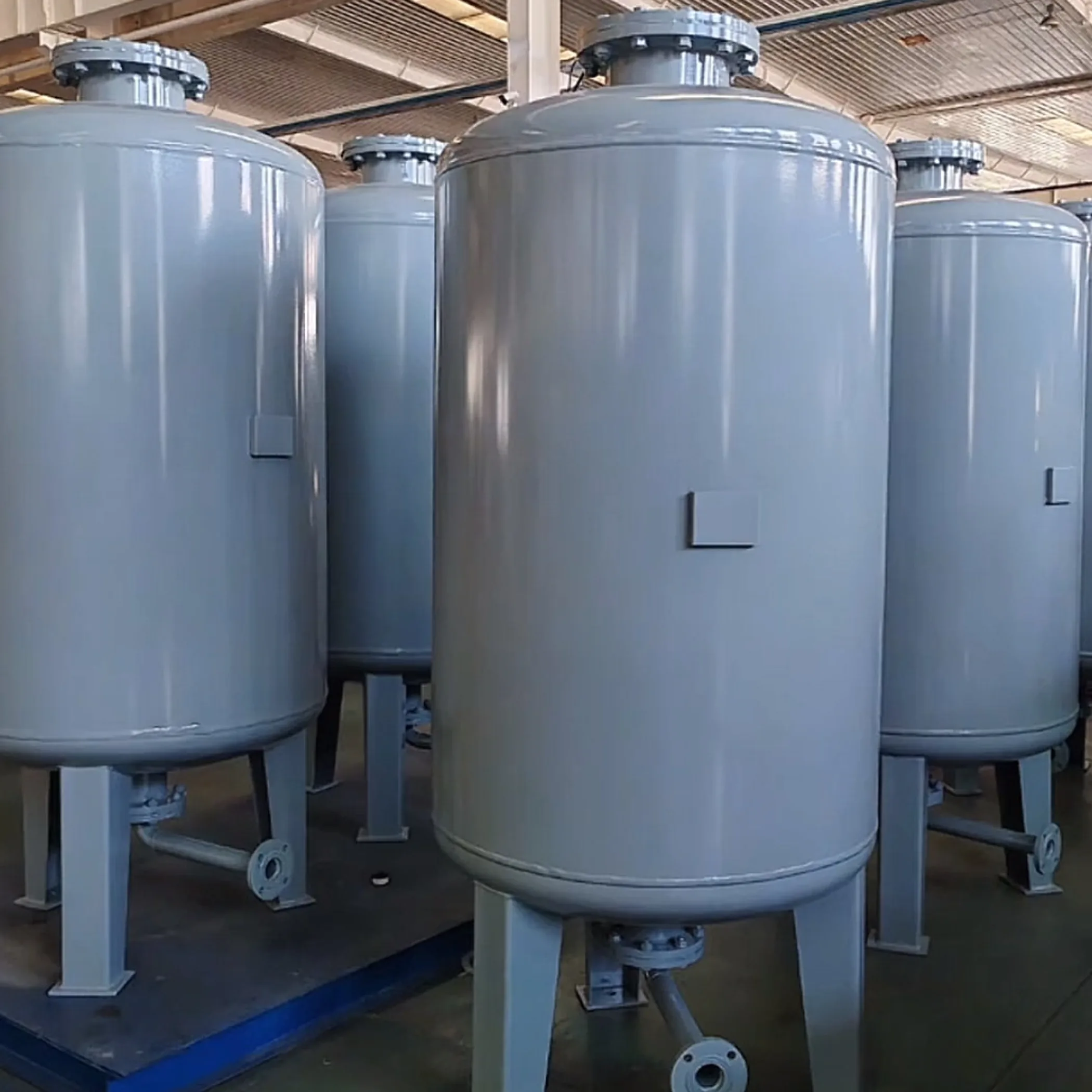
The best way to prevent scalds is to have it in the plumbing, not rely on habits in the house. A tempering valve in good working order is worth its weight, especially with children or less mobile people about. Hot water is efficient at transferring heat and can do damage to the skin in short order. With a bath one can be sitting in water for minutes before realising it is too hot.
Tempering And Mixing Valves
These devices blend the hot from the heater with cold prior to the outlet. In some buildings a thermostatic mixing valve will be mandated for its more responsive control. Mineral deposits, hard water and the simple passage of time can cause a valve to go out of calibration, stick or fail. One that was in good order a few years back is no guarantee it is still doing its job for the household. As part of regular maintenance there should be temperature checks, an eye cast for leaks and to make sure the valve is reacting as it ought to with any change in the water flow.
It is not advisable to do away with or bypass a tempering valve in the interest of a hotter shower. Such a modification runs the risk of scalding and could put the installation in breach of compliance; if the shower is only lukewarm, have the system looked at instead.
Install With Licensed Trades
There is more to putting in a hot water system than hooking up a tank and opening a tap. The scope of work can encompass plumbing, gas fitting, electricals, roof work, structural support, drainage and pressure control.
Employing the wrong trade is an instant safety hazard and will likely lead to difficulties with insurance, certification or when it comes time to sell the property. In NSW one must be properly licensed for plumbing and drainage, and there are distinct licensing rules for gas and electrical work.
Match The Trade To The Job
Leave the valves, discharge pipes, tempering devices and all water connections to a licensed plumber. An electrician is required for the fixed wiring, isolation switches and supply on an electric or heat pump system. A licensed gasfitter is the one to deal with gas lines, appliances and anything to do with combustion.
With a solar hot water system you may have solar components, roof mounting, electrical controls and plumbing involved. Put it to the installer as to who is covering what rather than make the assumption a single person is licensed across the board.
Prior to any work being done, one should verify service access, overflow path, location, capacity, protection from vehicles or falling objects, as well as gas ventilation and electrical isolation. Put the warranty, installation records and compliance papers in a folder. It might not seem of much interest now but will come in handy down the track.
Test Pressure Relief Valves
A small component with a serious responsibility, the pressure relief valve on a hot water system is there to protect the tank should temperature or pressure get out of hand. Do not cap it or tie it shut because it has a habit of dripping from time to time.
Storage systems are often fitted with a TPR (temperature pressure relief) valve. Its discharge pipe is to be left where it can safely and visibly let off pressure and hot water without causing damage or injury.
Safe TPR Valve Checks
Make a point of following what the manufacturer says in testing. Some will have you give the test lever a lift to dislodge debris, others have their own way about it. Should the valve leak, refuse to operate or water keeps discharging, put in a call to a licensed plumber.
For your own safety, keep face and hands well clear of the discharge point while testing; the water can be very hot. While a short burst is to be expected with a change in pressure, anything more could be a sign of an expansion issue, a bad thermostat or a valve on its last legs.
Protect Each System Type
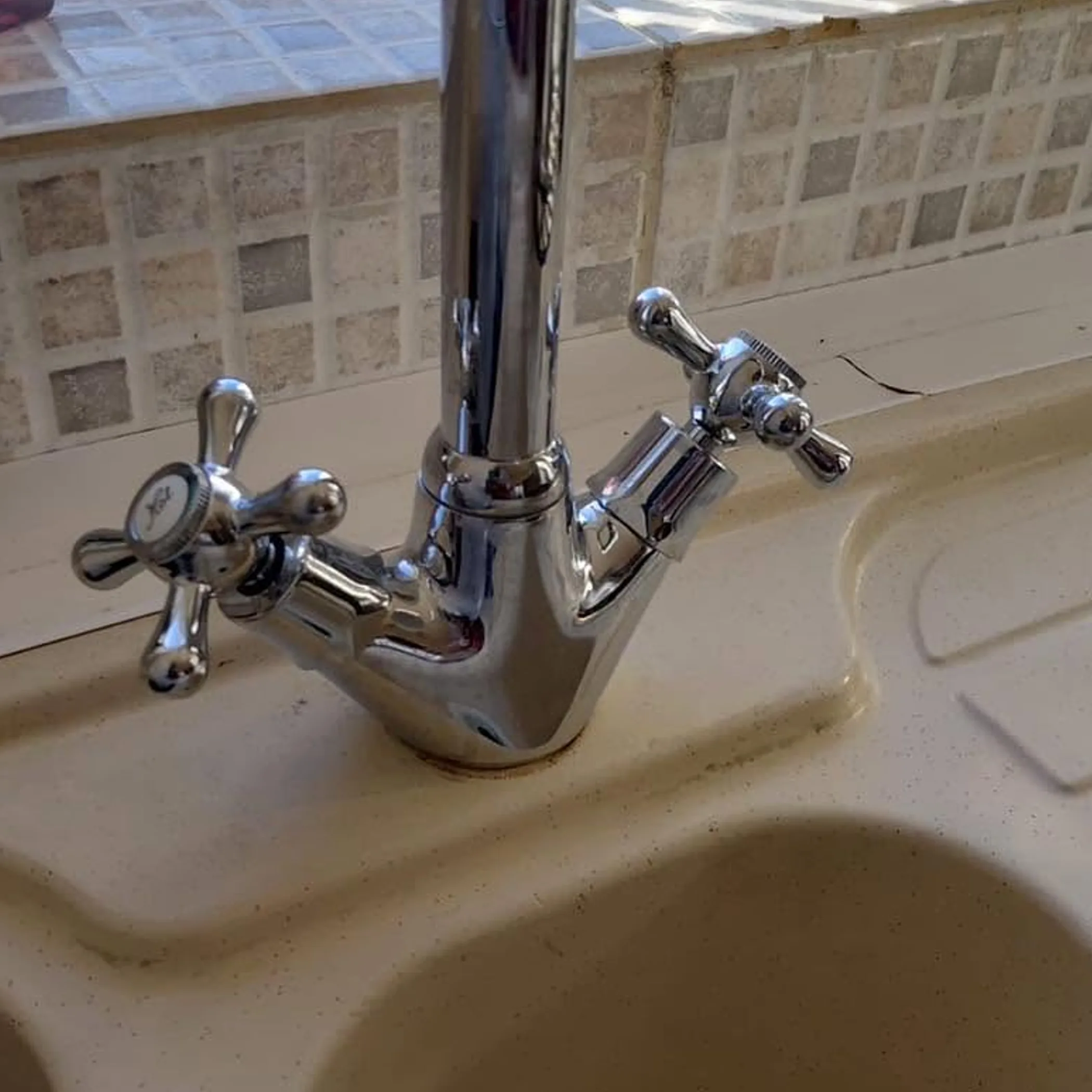
Be it electric, gas, solar or a heat pump, they all present different hazards despite the end result being hot water. The error some make is to apply the same safety routine to every heater.
Read the manufacturer’s instructions and keep the area around the system accessible. A service technician needs room to inspect the appliance, isolate energy sources and reach valves without moving half the laundry first. By law, all new hot water systems must include a tempering valve to keep tap water below 50°C, as detailed in official hot water guidelines.
Electric And Heat Pump Units
Have the electrical isolation switch within easy reach and see that the area is dry and uncluttered. Extension leads and improvised wiring have no place with a fixed appliance; call in a licensed electrician for any faults, damaged cabling or circuit breakers that will not stay on.
On a heat pump, do not let dust, leaves or boxes you have put away impede the air inlets and outlets, it will take its toll on performance. Pay attention to any odd vibration, grinding or water near the electrics, or error codes.
Gas And Solar Systems
Adequate ventilation and an unobstructed flue are essential for a gas hot water system. See that the appliance is free of cardboard, fuel, garden chemicals and other flammables. Soot, a yellow flame, a strange smell or even dizziness in the vicinity of the unit can be symptomatic of a dangerous combustion issue.
In the event of a gas odour, put some distance between yourself and the area, steer clear of flames and switches and get in touch with a licensed gasfitter or the emergency service as per state protocol. Leave the gas fitting to them.
Even without the electric or gas booster in use, a solar hot water system will make very hot water on a fine day. That said, the pumps, valves and collectors on the roof are in need of an inspection from time to time, all the more so after any roof work or if there has been a storm or hail. Conditions in northern Australia put additional strain on roof components with their cyclones and wet-season storms; down south it is the frost and lack of sun for long stretches that can have an impact.
Spot Hazards Before Failure
An emergency is not the first thing most hot water issues present as. There are usually signs of trouble ahead. One should not put a dripping valve, a tank with rust or an abrupt change in temperature down to the age of the system. It is telling you something.
Then there is hard water which will hasten limescale and mineral deposits on the pipework, heating elements and valves. The air in coastal areas is prone to cause corrosion and inadequate drainage can be the undoing of your walls, flooring and electricals.
Warning Signs To Act On
- Water collecting at the base of the tank or control unit, or by the pipework.
- Any form of corrosion, bulging, cracking or damage to the insulation on the cylinder.
- An isolation switch that will not remain on or circuit breakers that trip with some frequency.
- Unusual noise from combustion, a yellow flame, soot or the odour of gas.
- Temperature that fluctuates wildly or is uncharacteristically cold or scalding.
- The temperature pressure relief valve in constant discharge.
- Operating sounds that are out of the ordinary, be it hissing, popping or knocking.
- A relief-valve discharge pipe that is obstructed, in poor shape or not well directed.
Should the matter be in doubt, engage a licensed trade. Only put the system off if you are sure of the right way to isolate it and can do so with safety. Damaged wiring or gas parts and hot discharge water are not to be handled.
Choose Repair Or Replacement
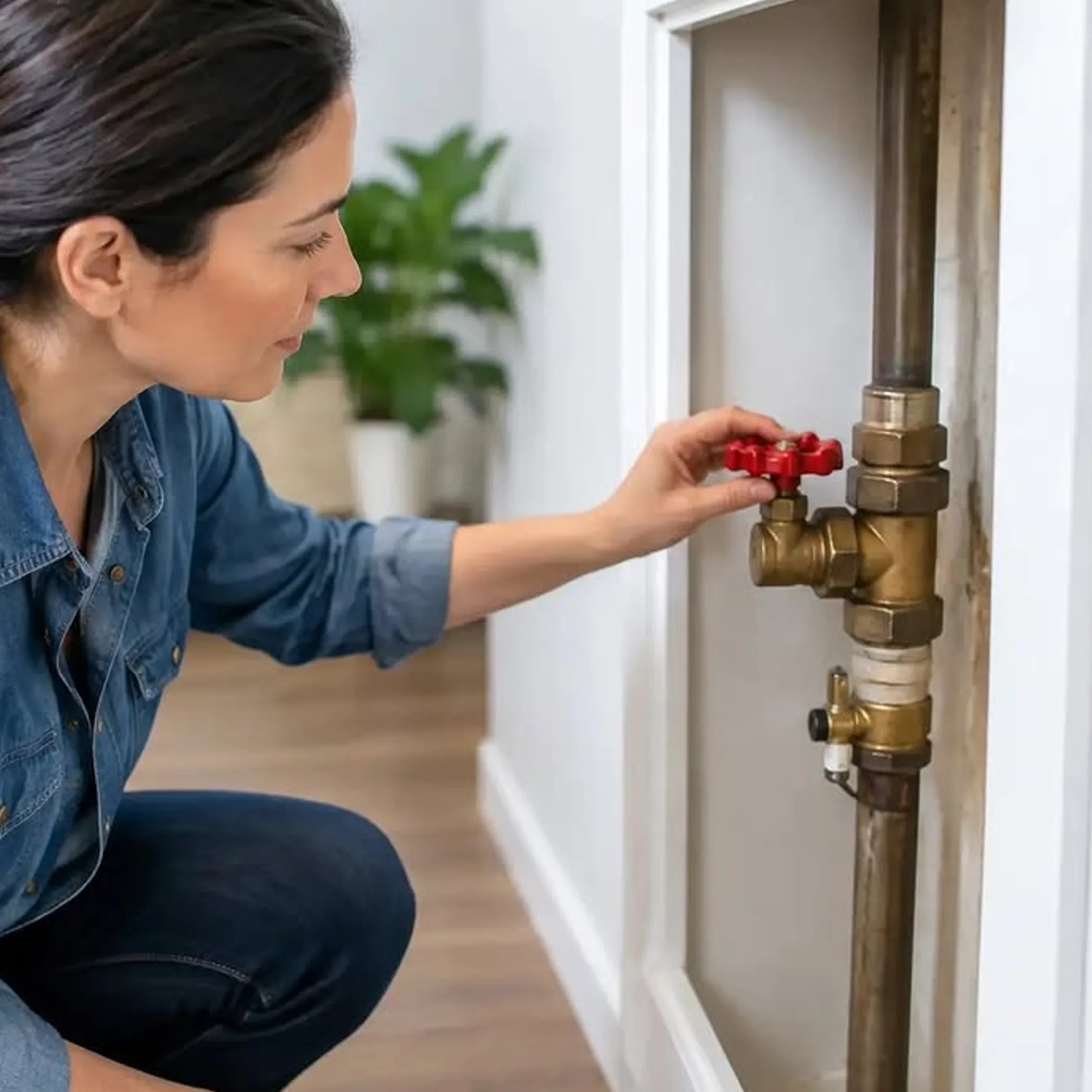
What tips the scales in favour of one or the other is a matter of running costs, what energy is on hand, the state and vintage of the unit and the expense of making the installation conform to present day standards.
It is common to see a system put in because the water is cold only to find out the problem was with the thermostat, element or control board. Or the reverse: an inexpensive fix allows a corroded tank to get by until it puts in an appearance when you least want it to.
Use The Whole-System Test
Have the technician put you through a whole-system test. He should be able to point to the part at fault and lay out the risks of doing nothing, offering repair and replacement as options. Make sure the assessment covers the tempering and TPR valves, the tray and discharge set up, as well as the gas and electrical.
When the tank is leaking, the system is a repeat offender or the energy consumption has got out of hand, replacement is the sensible course. A sound cylinder with a defect in a component that can be replaced is another story.
Put down the fault history, size of household, recent bills and the like to make a callout less of a stress and more informative. A guide to system repair and replacement will serve to formulate some questions but let an on-site safety check dictate the recommendation.
One-Day Safety Plan
For a single day devoted to household safety, begin at the basin and shower you use the most and look at the delivery temperature. Make sure the tempering and relief-valve discharge pipe are there, easy to get at and show no sign of damage.
Put in some time to put the model and serial plate on film, locate the isolation switch and put away any service or installer records. You will also want to see that flammable items and boxes have been put out of the way of the heater. It is a matter of minutes and well worth it to avoid a cold shower turning into a family affair.
Frequently Asked Questions
Homeowners and renters tend to have the same misconceptions, which is what you will find addressed here. The answers are as practical as they come, though one should have a licensed professional put the finer points to rest for an installation.
What Is The Legal Minimum Temperature For Hot Water Systems In Australia?
You will not find a “minimum temperature” of one kind that is the same for every building or system in the country. A 60°C setting is typical of storage systems for Legionella control, but at the sanitary fixtures in a home delivery is usually no more than 50°C. In some quarters, like healthcare or early-childhood facilities, a maximum of 45°C is called for. It is a question of the rules of the state or territory and the system in place.
What Are The Regulations For Installing A Hot Water System In New South Wales?
Any work done has to be in accordance with the NCC and AS/NZS 3500.4 as well as the plumbing, electrical, gas and building requirements. A licensed plumber is needed for valves and water connections, a licensed electrician for fixed electrical and a licensed gasfitter for the gas side of things. The installer will make certain of safe discharge, ventilation and access and any local certification that is required.
Can I Set My Hot Water Tank Below 60°C?
Unless you have had a word with a professional, do not put the storage thermostat below what the manufacturer or regulations dictate. A lower storage temperature can invite Legionella and higher outlet temperatures scalding. One must consider the tank, the outlets and the tempering valve as a whole when it comes to temperature control.
How Often Should A Hot Water System Be Serviced?
There is no one interval that fits all. If there is a leak, odd noise, corrosion or the performance is down, do not wait and have an inspection. Adhere to the schedule laid out by the maker. Harsh conditions such as hard water or an exposed coastal site will demand a bit more of your attention.
Is A Dripping Relief Valve Dangerous?
It can be. While some discharge is to be expected while heating, if it is a steady drip it may be a problem with the valve, expansion or too much pressure. Do not cap the valve or put a block in the pipe and stay clear of any hot discharge. Have a licensed plumber look at it.
Keep Hot Water Safe
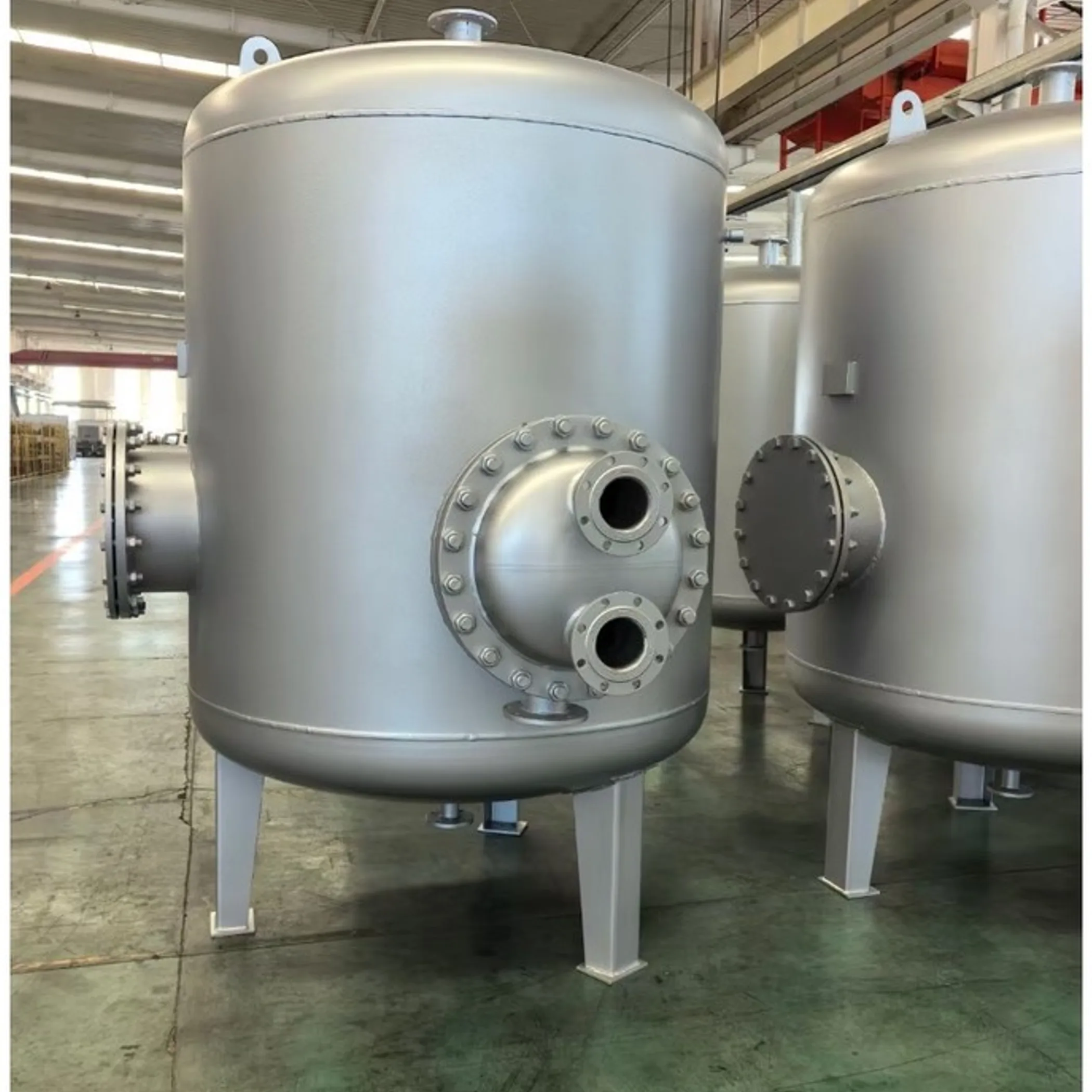
The basics of a safe system are regular vigilance for warning signs, proper installation by the licenced trade and functioning valves. Temperatures need to be in check: hot enough to deal with Legionella yet restricted at point of delivery to prevent scalding. And never put up with faults in the gas, electricity or pressure.
For an Australian homeowner the way to go is plain and simple. Know the system, observe the state’s requirements, have the right person on the job and keep your records. Hot water is meant to be dependable, not an indoor equivalent of the Gibb River Road in wet weather.