working at heights hierarchy of controls put forward by Safe Work Australia is predicated on the elimination of fall risk before any other consideration; from there it proceeds to passive protection, work positioning, administrative controls and fall-arrest. When one is in a high-rise, the prudent course is to employ methods that do not put people in suspended positions or near edges and fragile surfaces.
My name is Anna Marlowe. I have no time for miracles when it comes to safety, so I write in as straightforward a manner as I would in putting across skincare aftercare: put in place the proper method and address the risk. Here you will find an account of the requirements for working at heights in Australian high-rises, what the 2 metre rule can and cannot do, and how a PCBU goes about making a decision that stands up to scrutiny in 2026.
High-Rise Height Work In Australia
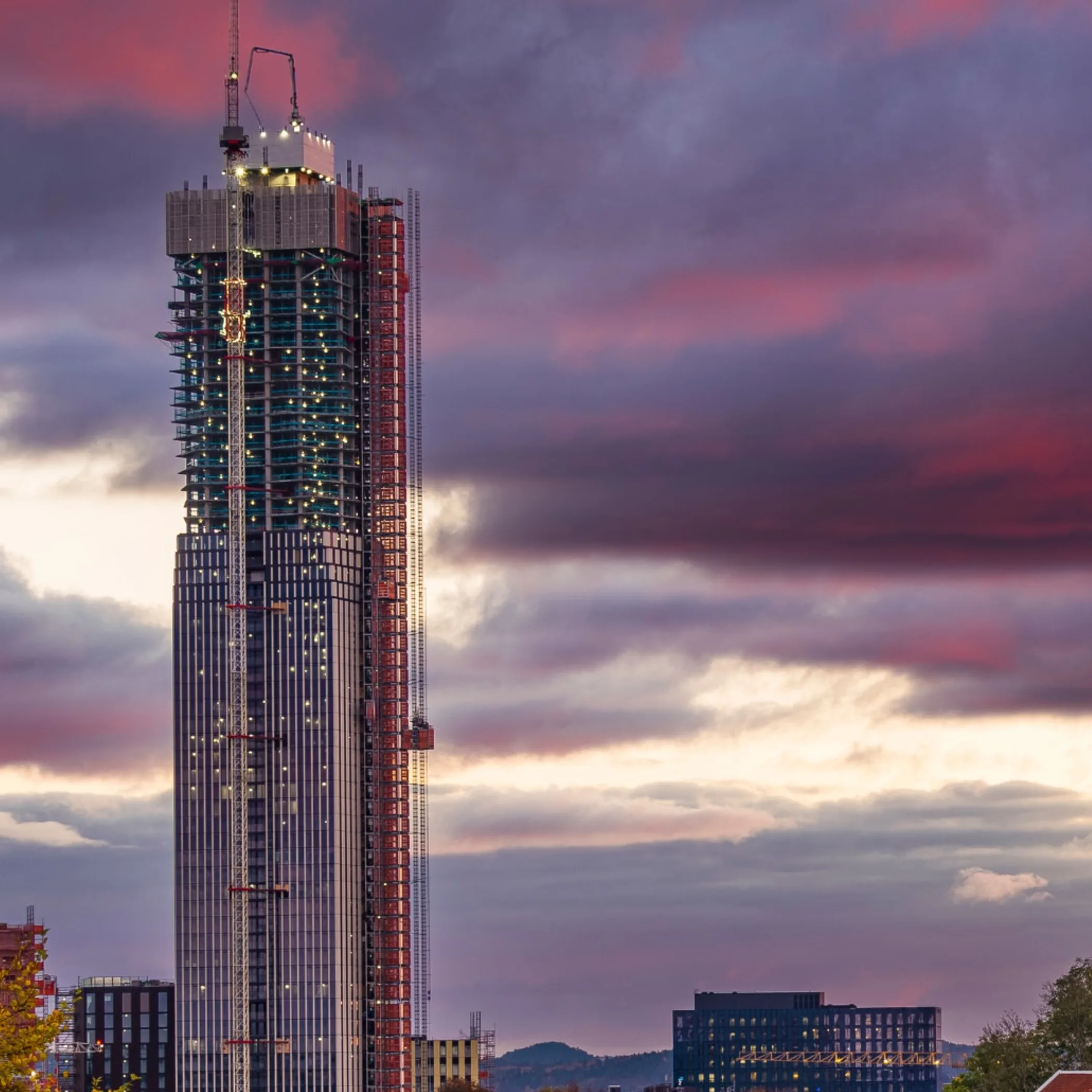
One does not need to be on a roof to be doing high-rise work. There are falls or objects to contend with in construction, repairs, inspections, crane operations, plant-room access, window cleaning and facade maintenance. Reviewing high rise facade access options can help with planning.
Duties in Australia are governed by the work health and safety laws of each jurisdiction. While the model framework has its place, the rule you have to follow is from the regulator of the state or territory, be it WorkSafe Victoria, SafeWork SA or SafeWork NSW. It is a fine point but one that will trip you up if a national checklist is put in front of a local inspector.
For now, do not go looking for a national relaxation of the rules in 2026; there is none to be found. A PCBU is still expected to eliminate risks as far as is reasonably practicable and put in place safe systems of work, equipment and supervision.
Even a modest distance can result in a fatality or lasting disability should one fall. But the height is not the only thing in play; consider the surface, the position of the worker, tools that might come down, the weather, rescue times and the chance of a swing fall.
How The Control Hierarchy Is Applied
It is a ranking of reliability. A business should not make of it a menu and put a harness on because the job seems hard.
Safe Work Australia advocates for prevention. The planner of the work ought to first determine if anyone has to be at height and only then, if higher-level controls will not do, move down the hierarchy.
| Control Level | Main Question | Typical High-Rise Example |
|---|---|---|
| Elimination | Is height exposure necessary? | Lower a component to the ground or inspect from an internal vantage |
| Passive fall prevention | Will a barrier do the job without the worker having to act? | Guardrails, edge protection, safety mesh, scaffolding to code |
| Work positioning | Can the system support the worker and keep him from a fall? | A work positioning or travel restraint system |
| Fall arrest | Is there a plan to stop the fall and effect a swift rescue? | Harness with energy absorber, anchor and rescue protocol |
| Administrative controls | Do your procedures and training cover the residual risk? | Permits, exclusion zones, a Safe Work Method Statement, weather and inspection |
You may see some put hazard control at six levels by carving out substitution or engineering. In practice for work at height it amounts to the same: apply the most reliable control you can and do not substitute a piece of paper for physical protection.
Eliminate What You Can
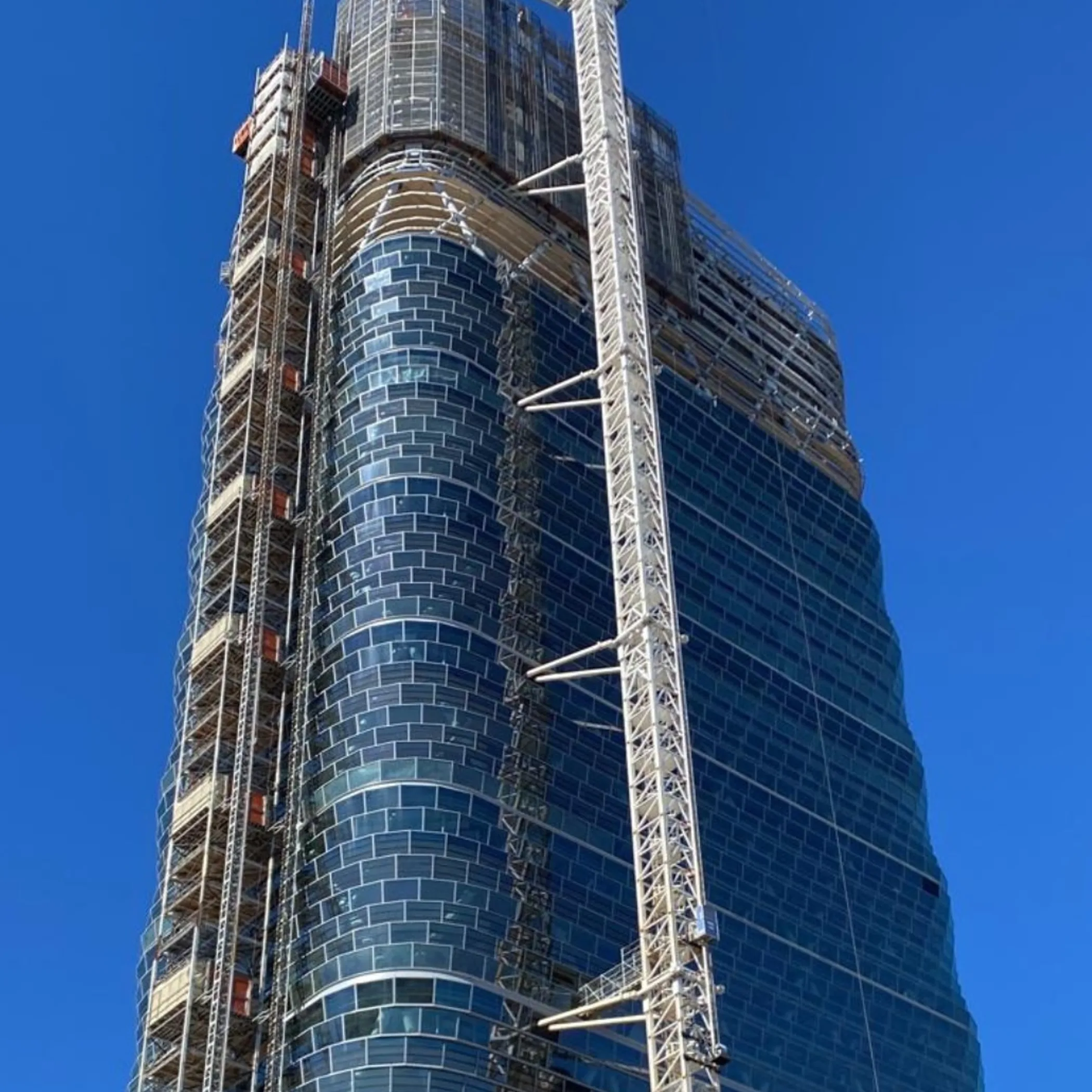
This is the surest form of control since the hazard is gone and there is nothing for the worker to have to deal with. On a tower you could use a remote camera for a visual, or take a piece of the facade down for repair.
There is planning to be done prior to the contractor’s arrival. A facilities team may put in permanent cleaning points or alter a lighting design so that later on an internal walkway will suffice for maintenance.
Too often the idea of elimination is dismissed as impractical without a trial. A review of the design will show you that an inspection point or material can be relocated. The extra cost in the planning stage is worth it to avoid years of unnecessary risk.
Ground Level Planning
Put the question to the principal contractor, designer, building owner and those in maintenance: where can things be put away, assembled or mended in safety? Do not take it for granted that the facade is your only option; look at roof layouts, plant rooms, internal corridors, loading areas and balconies.
When it comes to facade maintenance there is particular merit in elimination, as an access issue can be a monthly recurrence. The most effective control is one that renders the hazardous work superfluous in future.
Passive Fall Protection
There is no need for constant action or spot on timing with passive fall prevention devices to ensure people are protected. Be it guardrails, safety mesh, edge protection or scaffolding that meets the standard, these will keep a person from the fall edge or from going through an opening.
But they must be properly designed, put in place, maintained and inspected. An incomplete or low guardrail, one that is loose or has been broken at an access point, is no kind of force field. Scaffolding requires the right foundations, ties, configuration and inspection for the work at hand.
With high-rise operations one should think about passive protection in and around the facade access zones, atriums, penetrations, temporary construction decks and the like. Make sure tools and materials are put away too; a spanner will fall regardless of how good the guardrail is.
The Physical Barrier
Before starting, an inspection is called for to see if the barrier is up to the task, stable and complete. There should be safe means of access and egress for workers, not some heroic effort to get over a rail.
Should a barrier have to be taken out for a time, make certain the change is planned and authorised. The replacement might be another form of passive system, travel restraint or fall-arrest gear underpinned by a rescue plan.
Work Positioning Systems
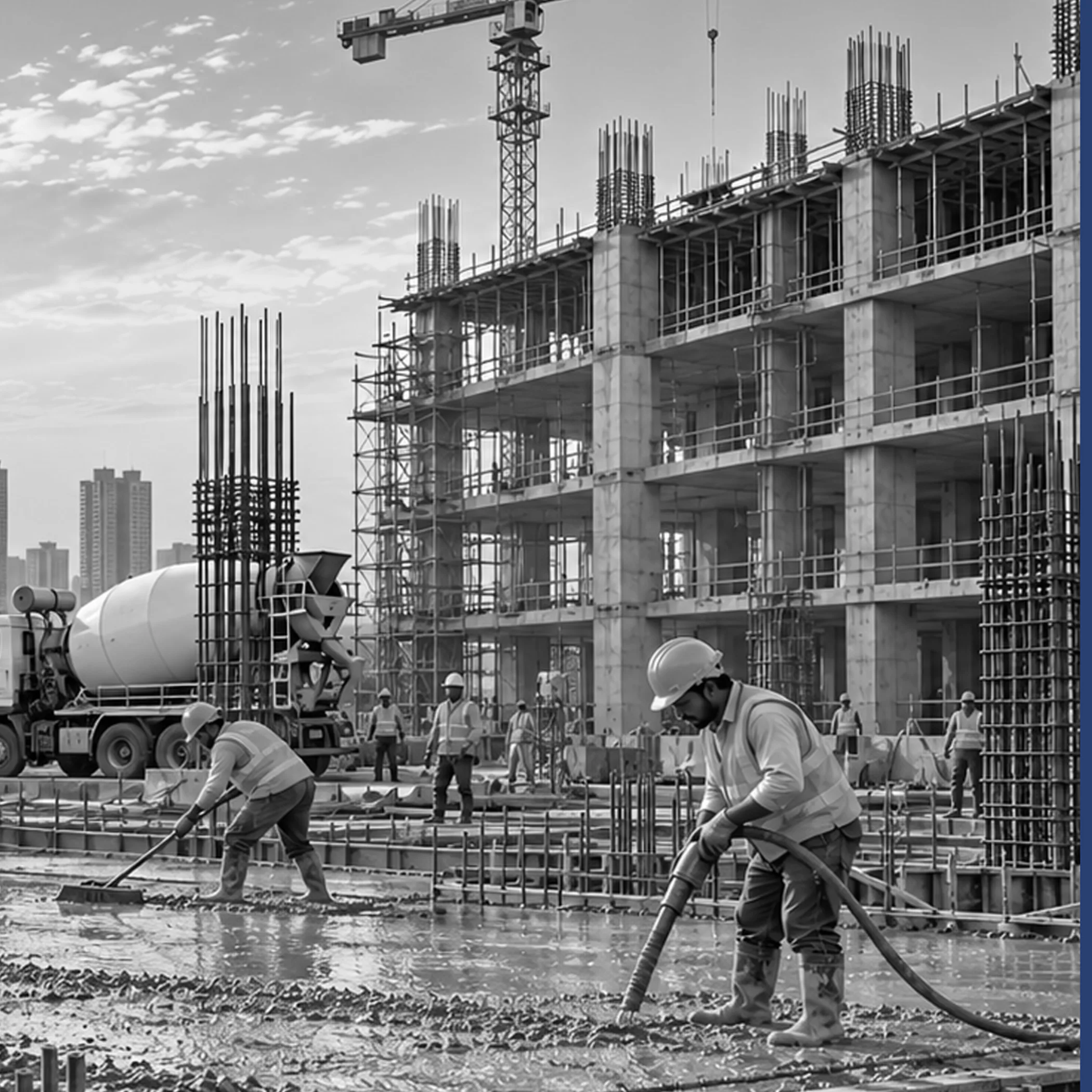
These let a worker have both hands free for a job while being supported. Travel restraint is the usual way to preclude a worker from getting into a position where a fall is possible, assuming the system has been connected and set up correctly.
One should not conflate work positioning with fall arrest. A restraint system denies you access to the hazard, a positioning system keeps you put, a fall-arrest system will limit the consequences of a fall but allow it to happen. To mix up the terminology is to leave a gap between what is on paper and the equipment you have.
A competent individual will want to appraise the anchor points, the connectors, line length, harness fit and the movement required of the task. Workers require the training to inspect their gear and know what to do when things are altered.
Equipment And Movement
Take measurements of the area first before you choose a lanyard or line. The equipment should not present a pendulum or swing-fall danger and the worker ought to be able to get to the job without overreaching. Harnesses are to be fitted to the person and checked per the manufacturer and the organisation’s rules; they do not replace an anchor or supervision.
Falls: Control And Rescue
In Australia the guidance on fall-arrest systems is not always well understood. Halting the fall is not the whole story; the system has to permit a quick rescue and minimise injury forces and clearance.
What you put in place – a full-body harness, energy absorber, approved connection and so forth – will be dictated by the task, the location of the anchor, the edge and the instructions for the equipment.
Your rescue plan needs to be explicit. It tells you who is to raise the alarm and call emergency services, how the worker is to be got to and suspension dealt with, and what equipment is on hand. “Call someone” is just a hope with a phone number attached.
Real Rescue Scenarios
Any planning for a rescue has to account for wind or rain, locked doors, an unconscious worker, poor visibility, the time it takes for responders to arrive and suspended-facade equipment. Put the plan in front of everyone prior to commencing work and test it where the risk warrants.
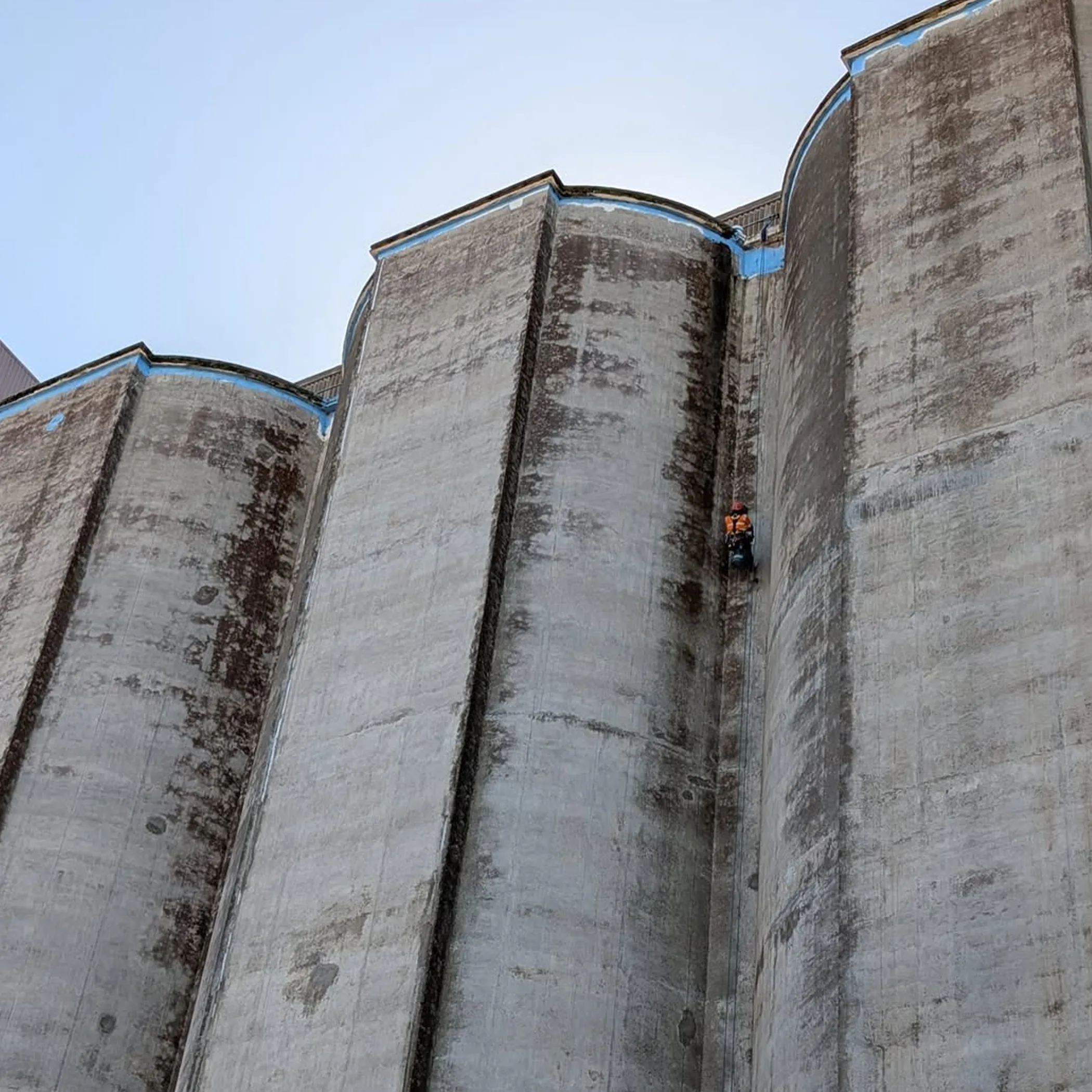
An industrial rope access team with the right certification and engineered anchors may be appropriate, with the necessary exclusion and communication zones in place. Do not assume it is any safer for the fact the workers are at ease on the ropes.
Procedures And Ladders
You have administrative controls in the form of permits, signage, training, weather monitoring and the like. They are a support to more robust controls but will not physically prevent a fall.
Ladders are acceptable for something of short duration and little risk provided they can be made safe and better equipment is not practicable. For exposed high-rise edges, frequent movement or a task that is awkward and protracted, they are not the answer.
Where the WHS regulations in force deem construction work to be of a high risk, a Safe Work Method Statement is called for. High-risk work can include working at height, though what constitutes the trigger will be a matter of the jurisdiction and the task at hand. The SWMS is to set out the sequence of work and any hazards, as well as the controls, responsibilities, emergency procedures and review points.
The Paperwork Must Be Honest
- Put down the specifics: the task, where it is being done, the height, surfaces and openings, weather constraints and any public areas in proximity.
- Make a case for the control you have put in place and why anything more was not reasonably practicable.
- Do a check of your equipment, anchor points, access and rescue set up before you commence.
- And if the method or the personnel or the conditions alter, halt and re-examine the work.
It has to be a document that fits the site. Take a generic SWMS from some other building and one may overlook a roof hatch, fragile cladding or a locked emergency exit. A nice orderly folder is no protection against an incident investigation when that happens.
On the Two-Metre Trigger
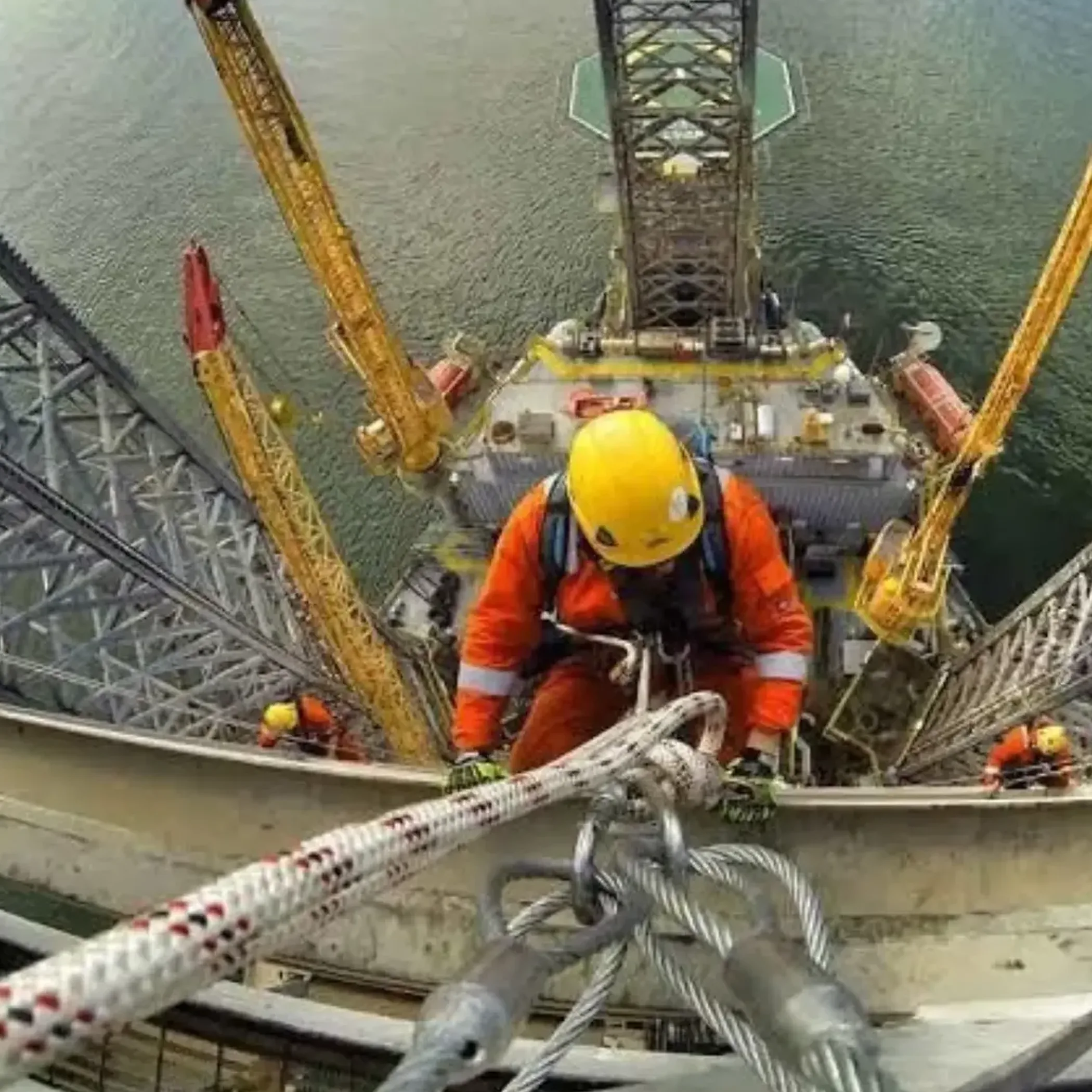
One hears the 2 metre rule for working at heights spoken of as if safety obligations do not start until then. In fact a fall under 2 metres is not without consequence and there is no single mandatory control for work above that mark across Australia. Under the model WHS framework a fall of over 2 metres from one level to another would be defined as high-risk construction work, but regulators are bound by their own legislation and codes so the state or territory law is what must be consulted.
A PCBU has to make its own assessment of the risk. Coming off a low platform onto hard edge or reinforcing steel can be bad enough. Rather than ask “Is this in excess of 2 metres?” the better question is “What is to stop it should the worker lose his balance, and what could go wrong?”
Safe Work Australia’s guidance on working at heights is a good place to begin, yet for a given building it cannot stand in for the law or the advice of a competent professional.
Safer Facade Access
In choosing how to access the facade of a high rise one should take into account the building and the task, how long the exposure will be, the competence of the workers and the risk to the public. Options might be an elevated work platform, scaffolding, industrial rope access, a building-maintenance unit or internal access that has been properly planned.
Do not just look at the platform, consider the whole system. How are the tools secured? What is the plan for a power outage or to retrieve a stranded man? Is the public safe?
| Access Method | Useful When | Key Checks |
|---|---|---|
| Elevated Work Platform | For a stable platform in defined areas of the facade | Ground and overhead hazards, reach, operator competency, exclusion zone and the weather |
| Scaffolding | Where the work is of long duration or covers a wide area | Foundations, design, ties, loading, edge protection and inspection |
| Building-Maintenance Unit | Permanent suspended equipment is in place on the building | Rescue and communications, emergency lowering, operation and inspection |
| Industrial Rope Access | To give specialist workers the flexibility to get at difficult spots | Anchors, dual protection, competence, exclusion zones and rescue |
Should time be short and a proposed method needs reviewing in a day, focus on the task that presents the most demanding mix of height, public access and difficulty of rescue. A beginner would be unwise to put forward or make do with a high-rise access plan of his own devising unless there is competent oversight.
Then there is the matter of the weather, which can alter one’s plans in short order. Platforms and ropes as much as ladders and scaffolding are at the mercy of wind, rain, lightning, heat or a lack of visibility; not to mention the effect on a worker’s concentration when surfaces are wet. In the north of Australia one has to be particularly circumspect in the planning for cyclone alerts and seasonal storms. Down south an open facade can become unsafe in minutes from an unexpected bout of wind and rain.
Expectation Versus Reality
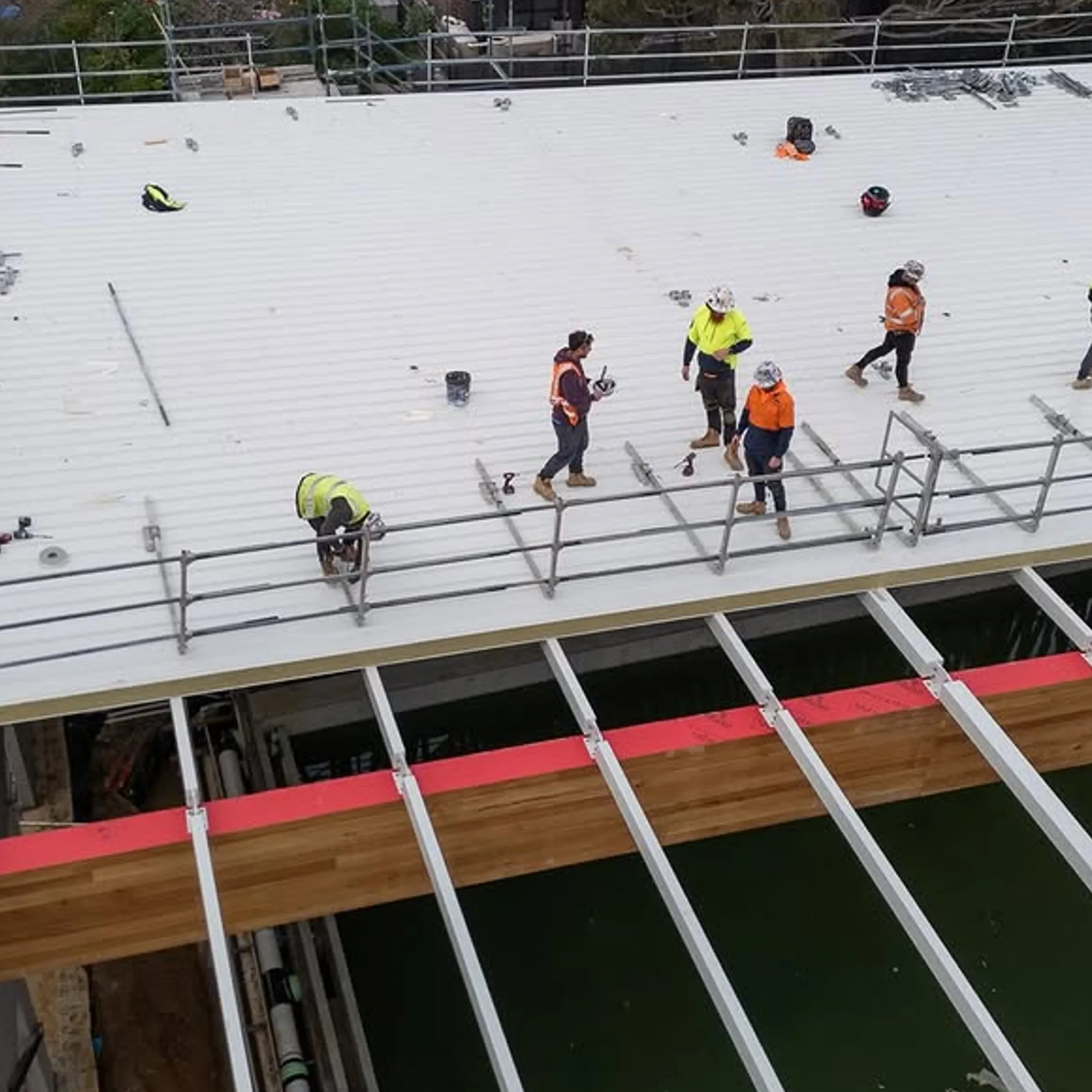
It is expected that a harness will see the job done in safety. In fact it is merely part of a fall-arrest system and could have a worker left injured and hard to get to while suspended.
One might think a SWMS is proof of compliance. But you will find compliance is a function of what is actually being done on site: the controls, the equipment, the conduct and whether those in charge are up to the task.
The shortest way in is assumed to be the most economical. The cost picture is quite different once you factor in permits, traffic control, exclusion zones, standby rescue, hire of equipment and any delays the weather brings. Put a hi-vis vest on a confident guess and you have a quotation that has not been based on a proper assessment of the site.
Five Practical Questions Answered
What Is The Order Of Height Controls?
In practice it is elimination, passive fall prevention, work positioning, fall arrest and then administrative controls. Ladders and procedure are at the bottom of the hierarchy and should not be resorted to in lieu of more robust physical ones.
Safe Work Australia’s Hierarchy?
Their approach is to deal with risk where it originates. With height work this entails dispensing with the need to be up there first, or putting up some form of barrier before turning to equipment that puts too much on the worker to behave correctly.
Are There Five Levels Of Control?
For our purposes they are elimination, passive prevention, work positioning, fall arrest and administrative controls. You may come across guidance that has other labels but the principle of prevention first does not change.
Six Hazard-Control Levels?
Some models will put six levels by making a distinction between substitution and engineering controls for instance. What matters is the correct application of the hierarchy: do away with the hazard if you can, apply good physical controls after that and leave procedures for what risk is left.
Is A Harness Mandatory For Every Two-Metre Fall?
Not necessarily. The 2 metre mark is no blanket rule to don a harness, nor does it mean anything less is safe. Have a look at the task and the jurisdiction, and whatever fall-arrest system is put in place make sure there is adequate clearance and a rescue plan to match.
Make The Safer Choice
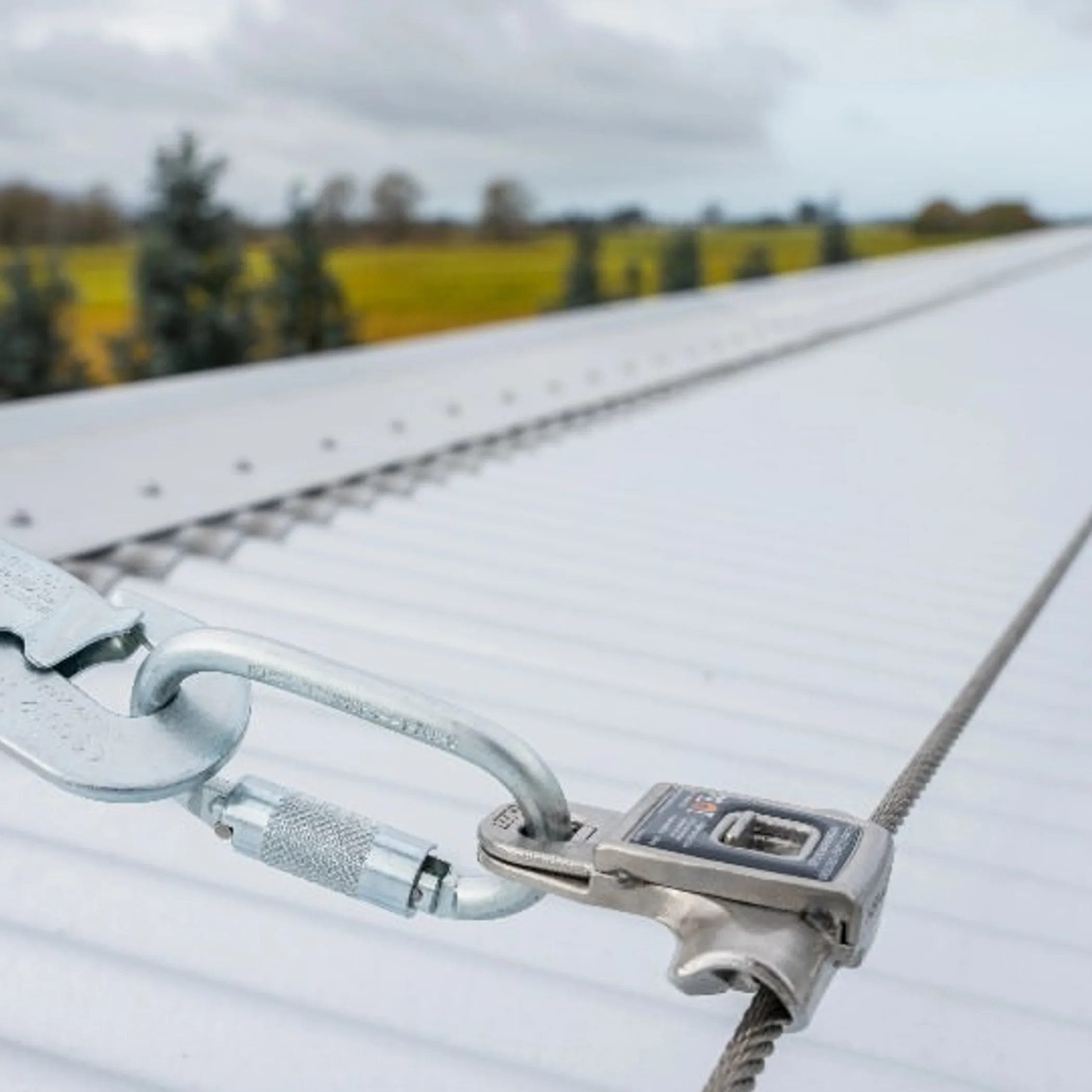
Disciplined planning is what safe high-rise work will be about in 2026. Remove the exposure, put in your passive protection and only use positioning or fall arrest as the occasion demands, all underpinned by people who know their job and site controls that are above board.
When it comes to construction or maintaining a facade the method of choice is the one that will stand up to the elements, equipment failure and the need for a rescue, and keep the public and workers secure. It is not as showy as hanging over a city but getting home in one piece is a preferable way to end the day.