With First Nations food, native ingredients, cultural know-how and community events all in one delectable calendar, the 2026 Australian Native Food Festivals have much to offer. The following guide will see you through the Sydney and Queensland offerings in the 2026 programme. We are forthright about a caveat though: the event information on hand does not have the last word on venue specifics, ticket costs or dates that can be put in stone.
Consider this a planning document of sorts, not some conjecture with a hi-vis vest on it. Anna Marlowe offers up some insight on what to make of it all, how to be respectful at a festival, the common errors of visitors and getting your transport in order. But do yourself a favour and read the organiser’s official word before you book a room or an over-ambitious road trip.
2026 Festival Dates And Events
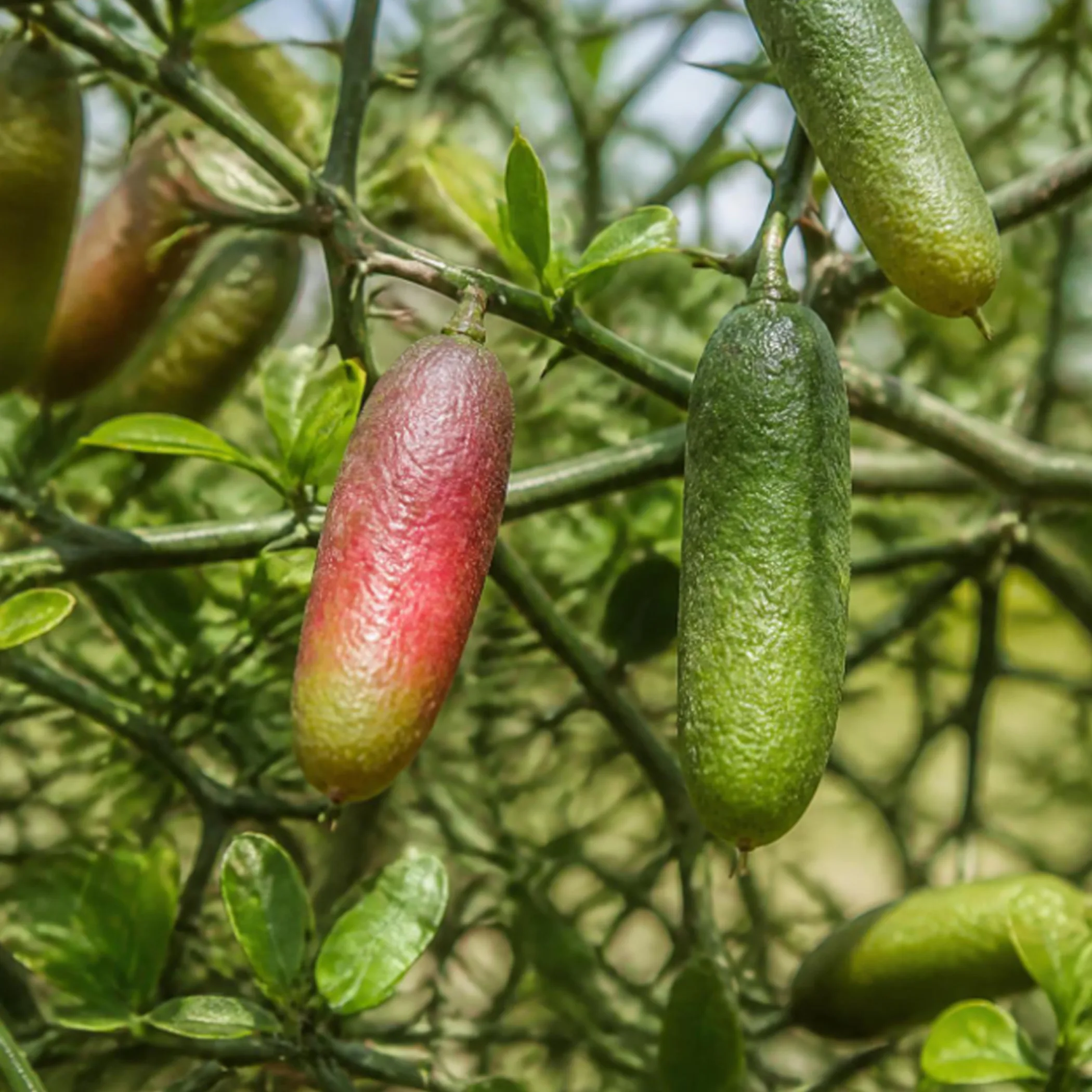
You will find the Australian Native Food Festival in Sydney and the Saltwater Dreaming edition in Queensland named in the 2026 programme. They have in common a focus on cultural connection, cooking demos, native beverages and products from First Nations. You can also explore American ice cream seasonal events.
Since we are not in possession of a final timetable, entry fees or any confirmed dates from the material provided, use the table as a framework for your plans and not a ticket notice. One can never be sure; venue availability, the weather or a community decision may alter the details.
| Event | Location | 2026 Status | Likely Highlights |
|---|---|---|---|
| Australian Native Food Festival | Sydney, NSW | Date to be confirmed (per 2026 programme) | First Nations culture, masterclasses, Indigenous chefs and food markets |
| Australian Native Food Festival Sydney 2026 | Carriageworks, Sydney | Venue is set but ticket and programme details are not | Aboriginal-owned businesses, native ingredients and cooking demonstrations |
| QLD Native Food Festival: Saltwater Dreaming | Tallebudgera, Queensland | Date to be confirmed (per 2026 programme) | Community activities, food stalls, country and culture |
What The 2026 Brief Confirms
The likes of Indigiearth, Sharon Winsor, Colin Fassnidge, Karima Hazim, Rayleen Brown, the Ngukirri Foundation, Saltwater Dreaming, the City of Sydney and Destination NSW are among those put forward. It suggests a programme where professional cooking and producer stories are mixed with cultural education.
But to make of them unconfirmed performance times would be remiss. Line-ups at these festivals have a way of changing. An Indigenous-led event calls for more than a hasty copy-and-paste, so wait for the latest from the organiser before you put it about to the family that a certain chef is going to be in attendance.
Planning Sydney’s Native Food Festival
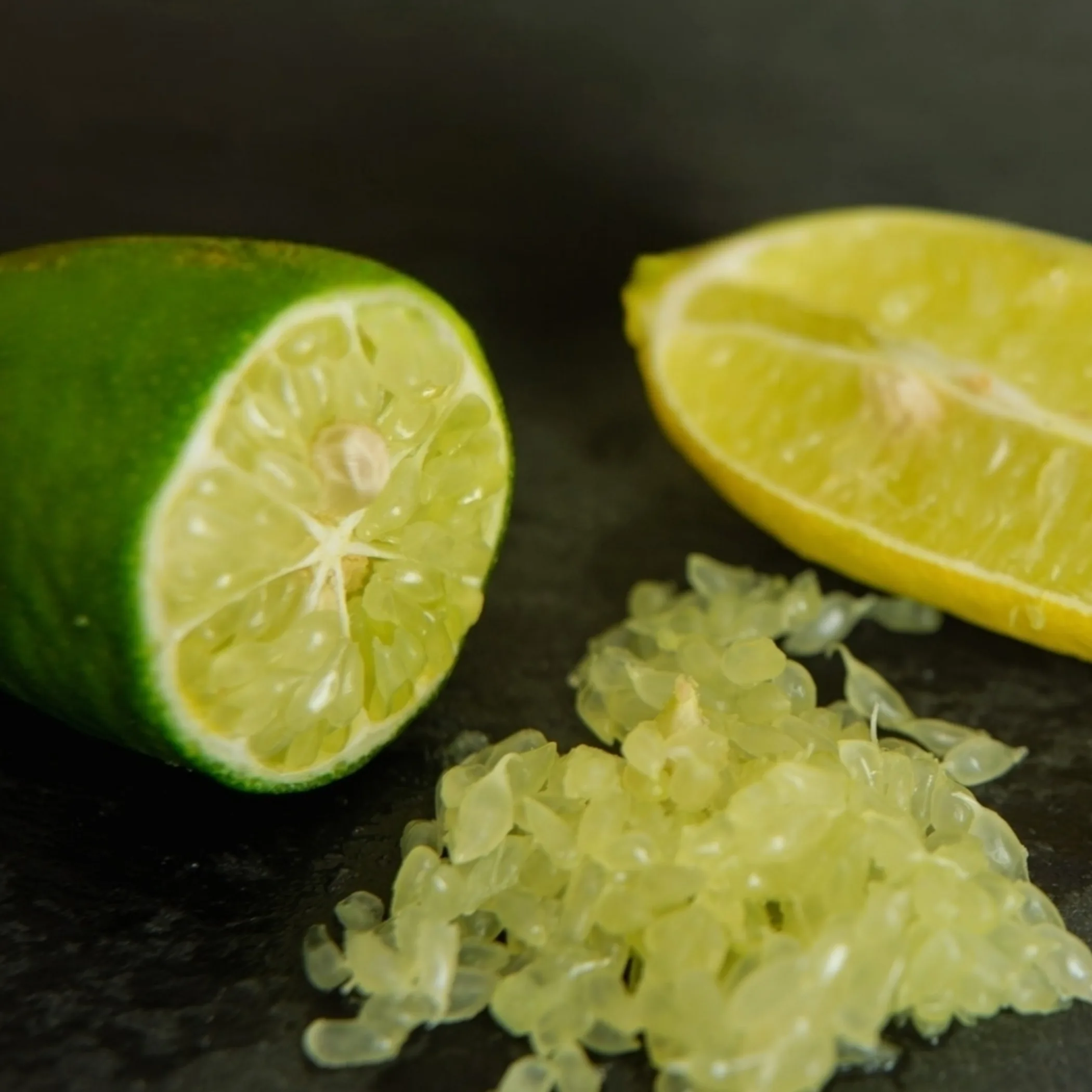
For the Sydney affair you have Carriageworks in Eveleigh, an arts and events venue of repute. Being in the inner city is an advantage since you can forgo the car and the parking situation which has a habit of making light work of turning a pleasant day out into a financial one. Rely on the NSW Government for public transport and road closure data as well as the festival’s own instructions.
Getting To Carriageworks
A train, bus or rideshare is the way to go if it suits. There is walking involved from Redfern and the like so factor in some time if you have children in tow or are lugging something from the market. Make sure of the accessible entrance from home; there is no need to be standing in the drizzle to find out you have come to the wrong gate.
Should you put the key in the ignition, verify that there is event parking first off. Do not be under the impression that a venue of this size has a public car park to match. Have a charged phone and a back-up on transport for the journey back, and be gone before the crowd makes its final move.
Best Strategy For Sydney
Make for the food market when you open your day and have a look around before parting with your budget for whatever dumpling or sausage smells best. Then pick a demo or masterclass. Three to five hours is a good length of time to have your fill of food and shopping without putting on a display for a reality show. Dress accordingly with a pair of sensible shoes and a water bottle. A small cooler bag is fine by the rules for your perishables, and food safety should be observed on the way home.
Queensland’s Saltwater Dreaming Event
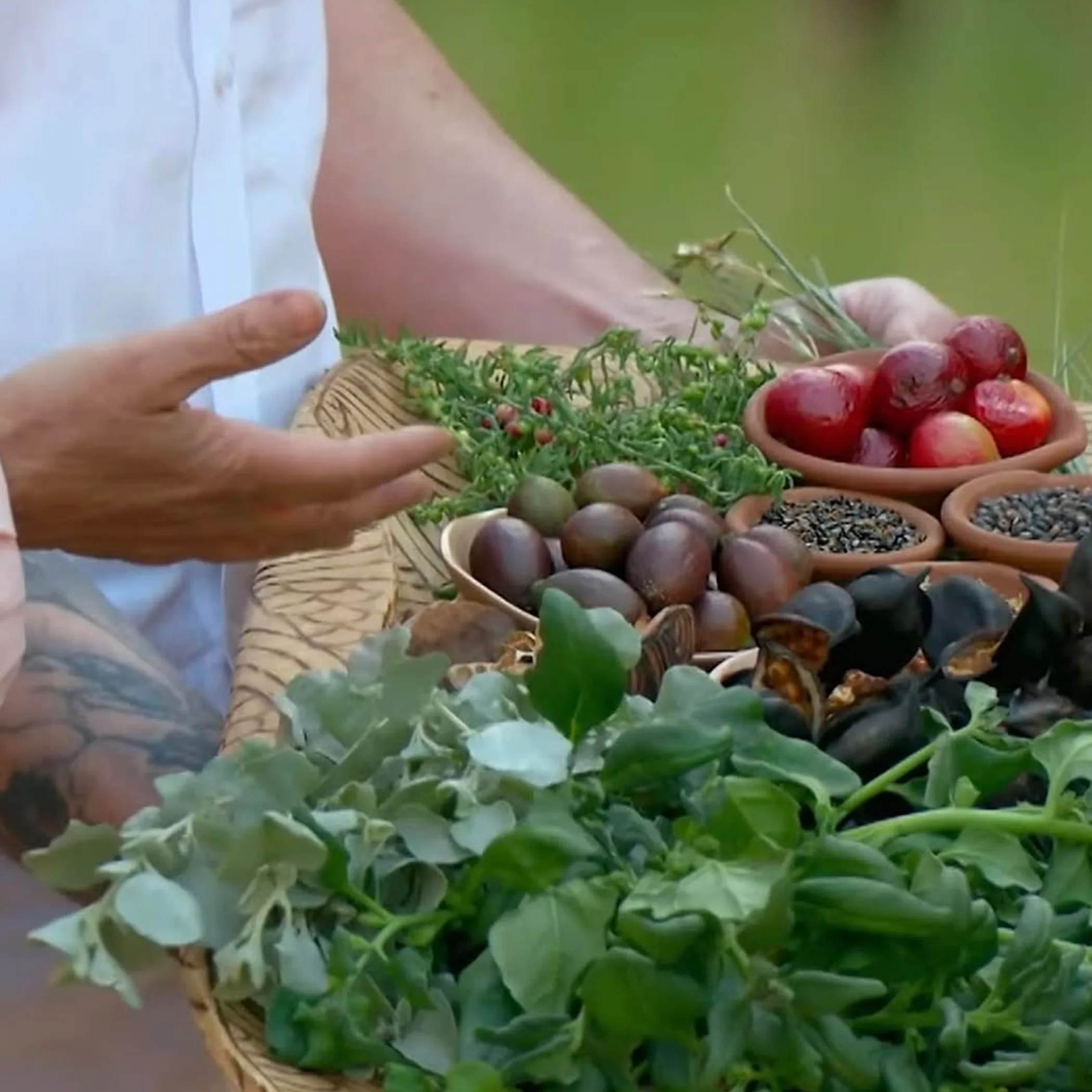
As per the programme, the 2026 QLD Native Food Festival is to be held at Ronnie Long Park in Tallebudgera under the name of Saltwater Dreaming. One might infer from the name an affinity for coastal Country, yet it is best to let the Traditional Owners and those running the event put you in the picture on its cultural significance instead of making your own suppositions.
For a day with the community away from the big-city festival scene, this could be what a traveller is after. Do give some thought to transport, however; if the park gets crowded or the weather is not kind, or there is little in the way of public transit, more forethought is called for.
Getting to Tallebudgera
Before you set off for Ronnie Long Park, see what the latest access instructions are. Make sure you know where to park, the drop-off points, if there are any temporary traffic controls and what public transport will get you to the closest entry. Those on the Gold Coast should factor in the congestion at peak times; a short distance on the map does not make for a quick drive.
Bring water, sun protection and something to layer on for the weather. By lunchtime the heat in Queensland has a way of making a grassy park seem a good deal bigger, especially with a child in tow to be kept from the puddles and while you are at the stalls with your food. And if severe weather is in the offing, have a word with the event’s policy on cancellation or postponement first.
Who it is for
Saltwater Dreaming will appeal to those with an inclination for the outdoors, local producers, cultural learning and the unhurried pace of a market. Not so much for anyone in search of a restaurant with a seat and guaranteed shade, or a ready list of takeaway fare they know well. No criticism intended: a native food festival is at its best when one is open and adaptable. You might find yourself leaving with fewer preconceptions than you arrived with after a story has put a product in a new light or you have had to try twice to pronounce an ingredient. A fine outcome for the day.
On native ingredients and the stories behind them
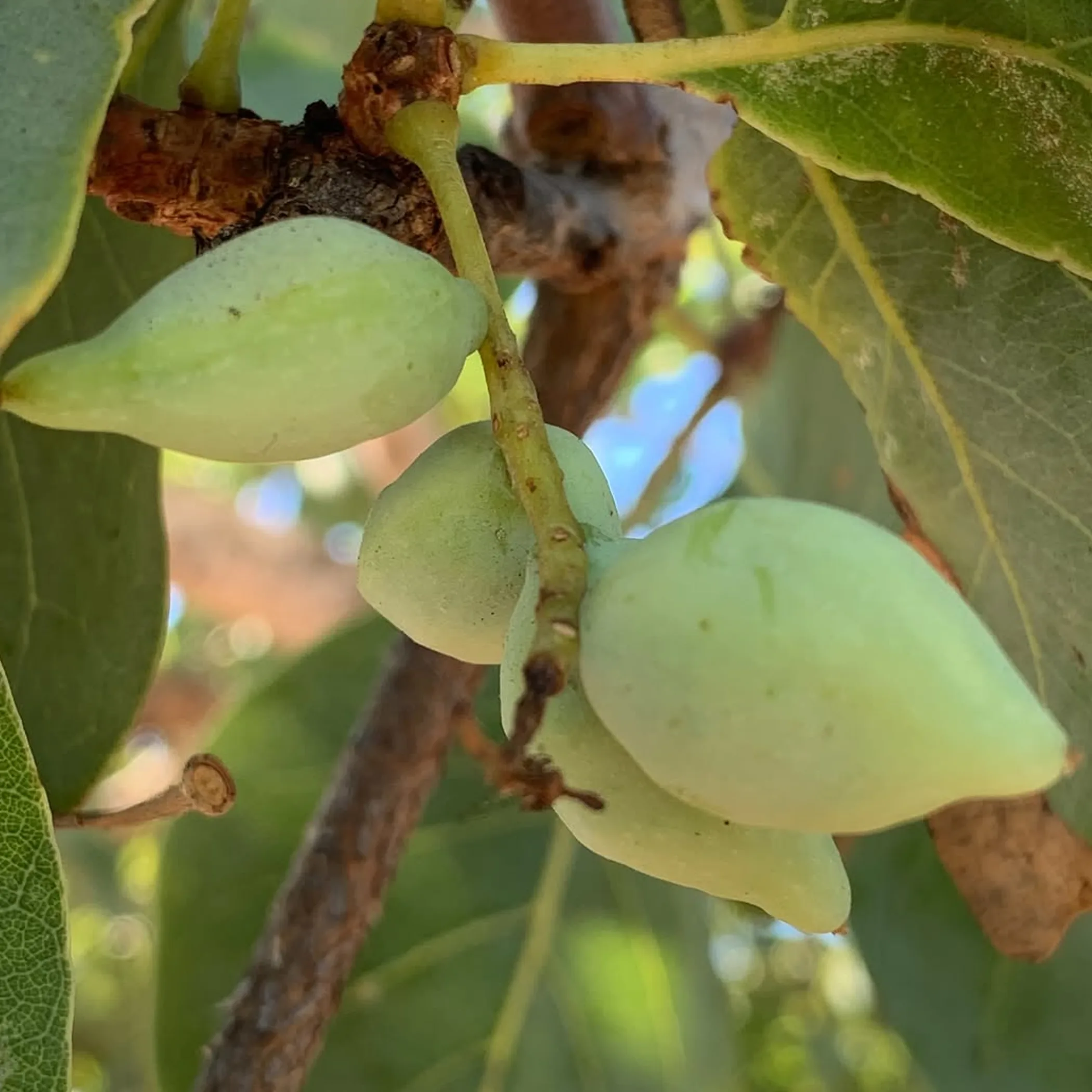
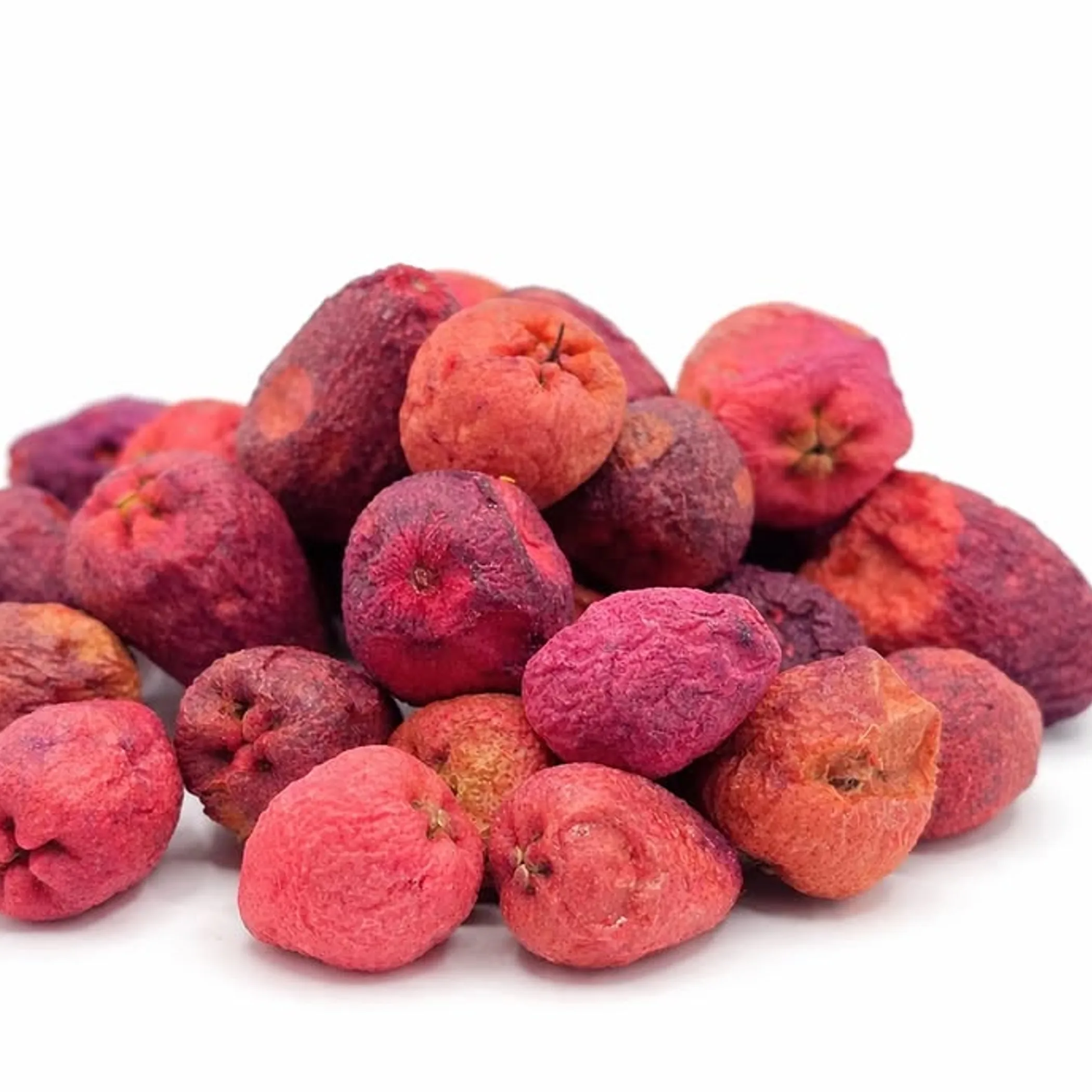
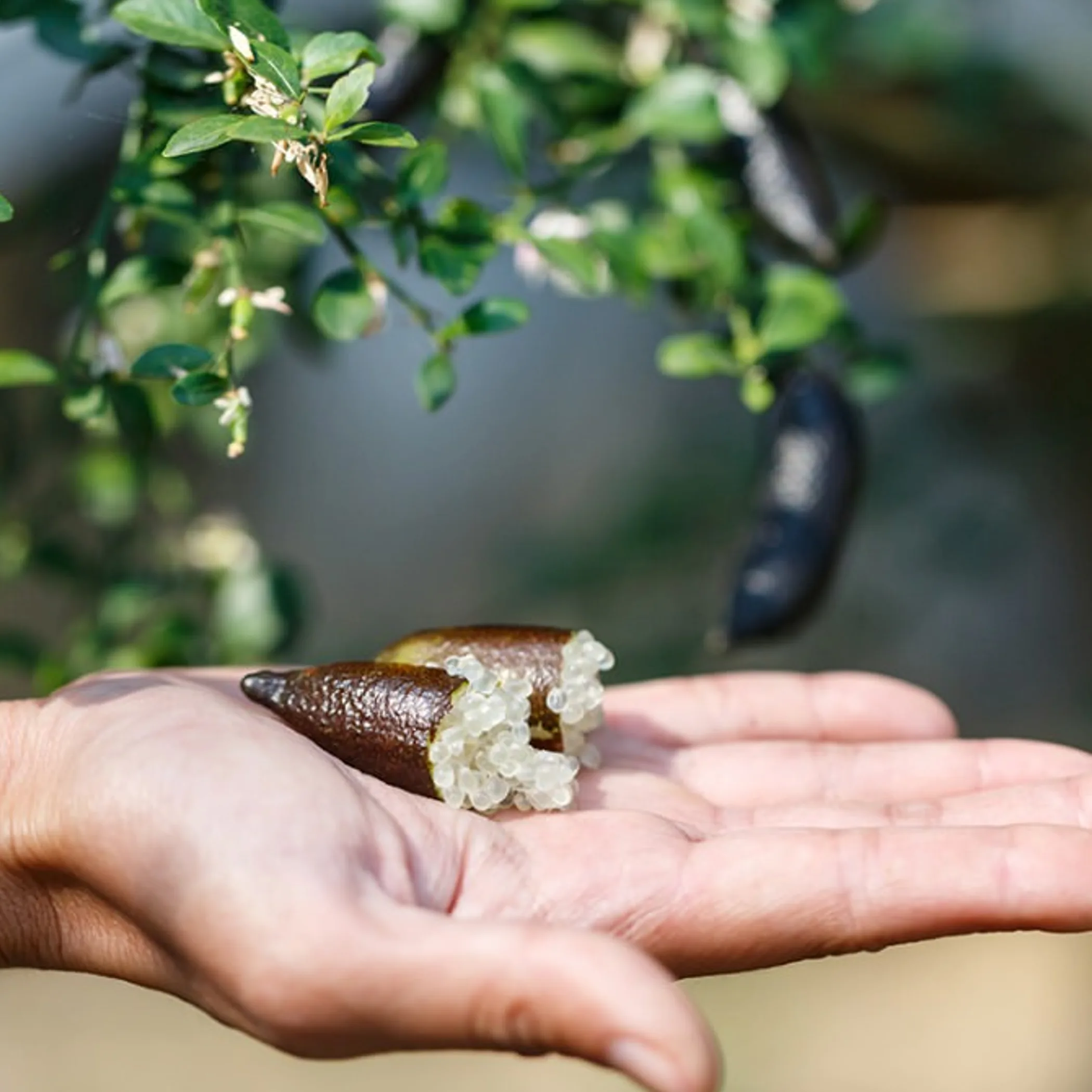
Seeds, herbs, spices, leaves and fruit are all part of the Australian native larder, tied as they are to certain environments and ways of doing things. But these are no mere fashionable powders for flavour; there is an ownership of the land and of the community in them, as well as seasonal knowledge and a relationship with Country.
Inquire of the producer as to the provenance of an item and if it is Aboriginal-owned. A stallholder of any worth will not make a marketing show of it. Heed a speaker or a sign and do not handle the wares or put up your camera. Buy direct and listen.
The producers and their ilk
You will see names like Sharon Winsor, Rayleen Brown, Colin Fassnidge and Karima Hazim in the event details. Put aside the notion that First Nations food is for a museum or a novelty plate; Indigenous chefs and their businesses put native produce to use in everything from bush foods to contemporary recipes. Consult the programme for what they have planned and go to a session that covers technique. A demonstration has more to offer when it shows how an ingredient is to be respected, prepared and put away.
Reality check
Do not go in expecting the food to be an acquired taste, difficult or overpowering. Some will have a familiar form but a particular aroma, others are too subtle to stand alone. Nor should it be thought that every diet is catered for at each stall. It is down to the visitor to be clear with staff about allergens, gluten, nuts and the like.
Tickets and the like
As for 2026 tickets for an Australian native food festival, they can be timed, paid or free, with masterclasses booked separately. The information provided does not vouch for prices or rules, so put old social media posts to one side. “Free admission” is not the same as no planning; a free festival may still want you to register and a masterclass can be as full as a bakery in Melbourne on a wet morning.
Budgeting For The Day
When budgeting for the day, be realistic. Transport, accommodation for the interstate traveller, market finds and the odd paid session will add up. Have some leeway for a card minimum or a rideshare at the last minute, or for a spice blend you did not need to buy but did anyway. Find out if the stalls take electronic payment and if there is cash to be had. A reusable bag is sensible but be aware of any restrictions on eskies, animals or outside alcohol. And remember the venue will have different access rules for an assistance animal than a pet.
Personal Needs and Access
Should you require any of the following for the event, put in a call to the organiser: accessible parking, an Auslan interpreter, step-free entry or seating, a quiet place to be, help with food allergies or companion arrangements. One should not take it for granted that a warehouse or park venue will have the same level of access at all its entrances.
Then there is the weather to consider; it can make access difficult on temporary surfaces, paths and grass. Put on some shoes with a decent grip, do not burden yourself with too much shopping and once you have arrived, make a note of where the first-aid, water and toilets are. Any medication you are on should be in hand in its original packaging and one must plan for queues.
Planning Your Visit
Some forethought will make the events more of a pleasure and see visitors conducting themselves properly on Country. Be flexible in your approach: set your priorities and make time to wait, for the map may not have marked the stall where you end up having the best conversation.
Anna Marlowe has a rule of thumb when it comes to packing: go by what the weather is likely to be, not what is in the promotional photo. In Australia a fine morning can turn to wind, rain or heat, or you will find a queue in full sun. And the mozzies will follow their own course.
- Before you travel, verify the programme, date, venue and what is required for entry.
- Make sure you know about transport, the return journey, parking and which entrances are accessible.
- Have on hand a reusable bag, water, layers for the weather, sun protection and your medication.
- Set a budget for food and enquire as to allergens prior to ordering.
- Observe the rules on photography and the guidance of the community and Country.
A Priority Plan For The Day
Make time for a cultural talk or welcome, a cooking demo, the producer stalls and an unhurried meal. Unless chilled items can be stored, put off your shopping to the last hour. It provides context before parting with your money and you will not have to lug food around in the sun.
Families would do well to timetable water and toilet breaks while they are still optional. Those of limited mobility or older visitors might opt for fewer sessions and proper rest in between. A serious food traveller will want to put down a booking for the masterclass with the most restricted capacity and make the day from there.
Frequently Asked Questions
What Are Some Of The Food Festivals To See In Australia?
There are plenty, but we are looking at the 2026 events by name here: the Australian Native Food Festival in Sydney and the QLD’s Saltwater Dreaming in Tallebudgera. Other festivals may be on in 2026 but we have no information on their programmes or dates.
Where Is The 2026 Food Festival?
According to the 2026 programme, the Australian Native Food Festival is at Carriageworks in Sydney and Saltwater Dreaming at Ronnie Long Park, Tallebudgera. But event details are prone to change so check the date and point of entry before making the trip.
What Would Be Australia’s Largest Indigenous Gathering?
No single answer can be verified from what is supplied. “Largest” is open to interpretation, be it by the number of communities, attendance, how long it runs or cultural standing. It is preferable to go with the definition of the public authority or organiser than to put forward an unbacked superlative.
Cultural Events In Australia In 2026?
The ones we have put in this brief are the Australian Native Food Festival and Saltwater Dreaming. For the wider 2026 calendar, look to the announcements of First Nations organisations, local councils and the like.
Is A Native Food Festival For The Uninitiated?
For the most part. No specialist knowledge is called for, but come with respect and be aware that you cannot simply consume every story or ingredient. We would advise beginners to make the most of the guided talks and have a word with the producers instead of regarding the festival as a sort of novelty tasting contest.
In Making A More Respectful Day Of It
The 2026 native food festivals in Australia are not just a menu. There is room for Aboriginal-owned businesses, Indigenous chefs, native drinks and discourse on culture and Country.
So whether you are at Carriageworks in Sydney for an Indigenous food event or have made your way to Tallebudgera for Saltwater Dreaming, get the latest on the details and give your business to the producers directly. You will find the day goes easier and with a bit of kindness, and you are far less apt to be found with six jars of chutney in hand beside a locked dunny wondering where you are.