The Safer Way To Begin
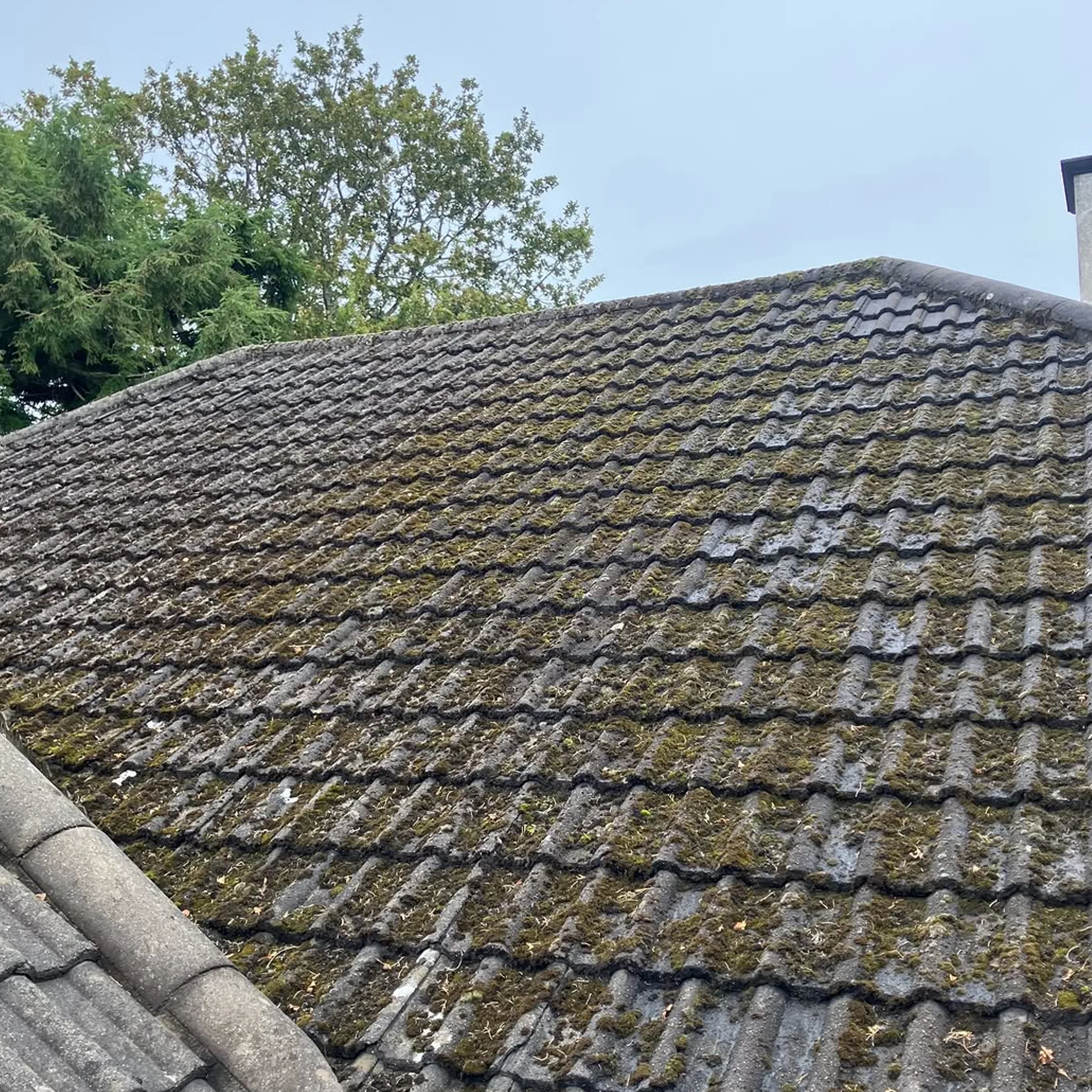
There is a practical matter at hand with Soft Washing Vs Pressure Cleaning Roofs in Australia: is the task to get rid of surface dirt or to deal with organic growth in a manner that does not harm the roof? In the case of a pitched residential roof, one would be wise to start with a soft wash as the safer option; it relies on a cleaning solution and low pressure instead of brute force.
Pressure cleaning has its uses on hard surfaces or concrete roof tiles of a certain make. Yet the high pressure involved can be costly, prising up tiles, stripping away coatings and driving water under overlaps. I am Anna Marlowe and my preference is for roof advice that can stand up to real weather and budgets, and the odd mozzie by the ladder.
What you choose will be dictated by the material, age and condition of the roof, its pitch and drainage, how easy it is to access and the nature of the contamination. A roof with mould, lichen or moss is not the same job as one with loose dirt on top. The weather is a factor too, so consider the perfect timing to clean your roof; before you put in an order for roof work in storm season or with strong winds and rain in prospect, have a look at the Bureau of Meteorology’s official forecasts.
Cleansing With Soft Wash
With soft washing the pressure is kept down to something like garden hose levels, nowhere near what is put to a driveway. Water and a fitting product are used to break up any organic growth. One should remember roof tiles are there to protect the house, they are not outdoor slabs of concrete.
An operator might apply a biodegradable solution or a well diluted treatment of sodium hypochlorite, all in good measure and with due regard for the environment. Care is taken to keep the product from people and animals and out of stormwater drains, rainwater tanks or the garden.
Removal Of Growth
Mould, algae and the like are what soft washing is for. Properly done it can also lessen regrowth and dislodge surface dirt. Do not expect the organic growth to be gone in an instant, some roofs require a little dwell time and a gentle rinse if not a second application.
It is a common mistake to want the roof to be as good as new right away. The treatment may have done its work in killing off the growth but it takes the weather to wash the staining away over time. There may be faint marks still visible, leaving the roof in better health if not as visually dramatic as a pressure-washer video. But it is kinder on the roof.
Controlling The Run-Off
A competent cleaner will not just be spraying at the tiles. Walls, windows, air-conditioners and plants must be shielded. Downpipes are sometimes disconnected to stop run-off getting into a tank. If you have a rainwater tank, have words with the contractor first as to whether it will be isolated or emptied. And do not be taken in by a biodegradable label; it is no guarantee the chemical is safe for your drinking water or every plant in the yard.
In Defence Of Pressure Cleaning
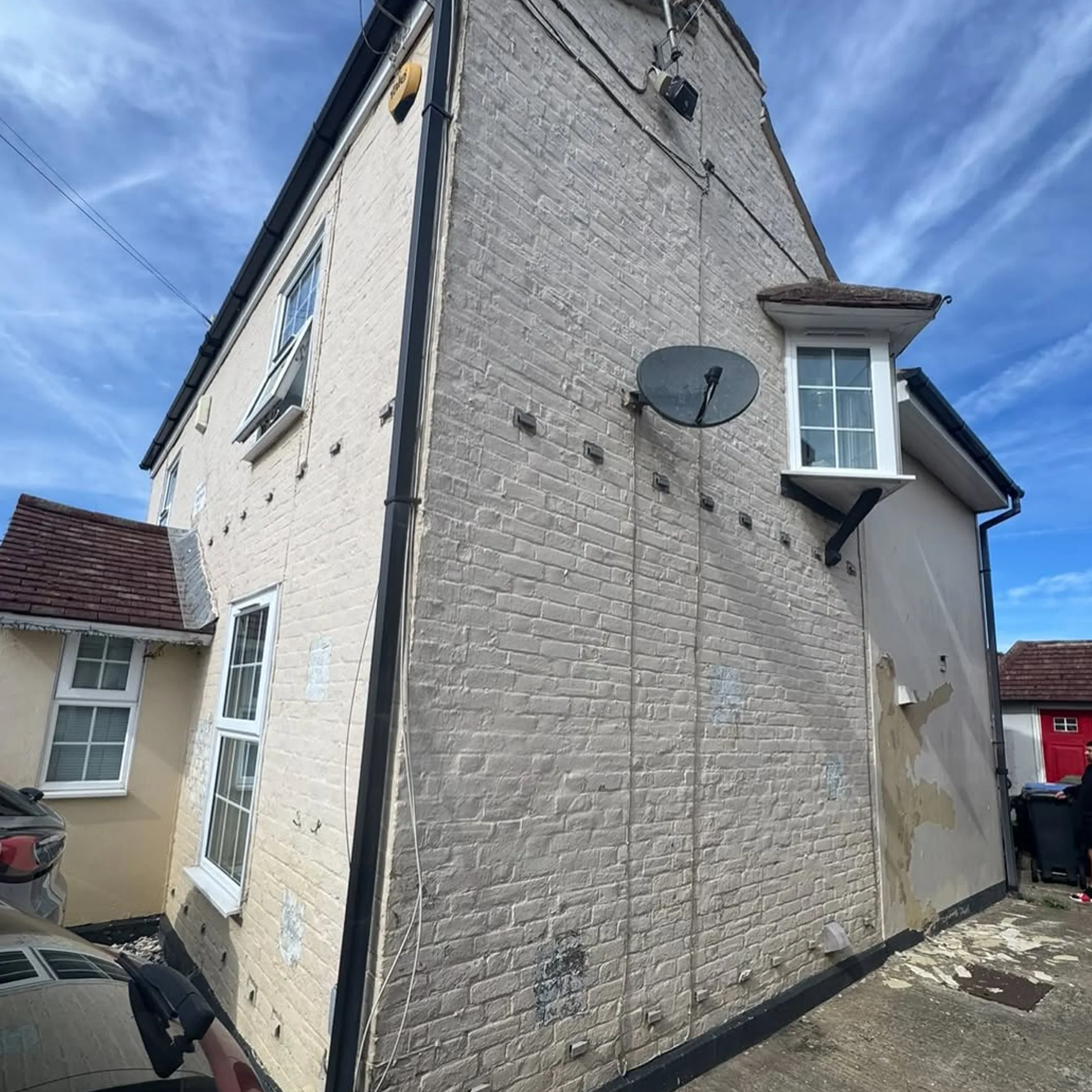
Then there is pressure cleaning which is a mechanical way of removing contamination with a focused stream of water. Fine for a stable surface, but a roof is all joints, ridges, valleys and flashings where water will take the path of least resistance.
After a thorough inspection there are times when pressure cleaning a tile is called for, provided the angle and nozzle are right and the pressure is controlled. You are not going to aim high pressure under a lap or at something brittle in the same way you would give a sound surface a light rinse.
Roofs That Will Take It
Old terracotta will not put up with it as well as a solid concrete tile with well seated edges. Even so, an operator should be on the lookout for cracks, poor mortar, exposed underlay and the like.
With Colorbond you have to be circumspect. Being a coated metal, the finish can be harmed by anything abrasive or an aggressive pressure. Follow the manufacturer and judge by the coating. Some will opt for a low-pressure wash. Others may reserve the pressure for a post-treatment rinse, so long as it is kept to a minimum and no water is forced under the laps. Do not be put off by the term “pressure cleaning” alone, it is not descriptive enough. Put to your contractor what method, nozzle and pressure are in store.
A Comparison of Methods
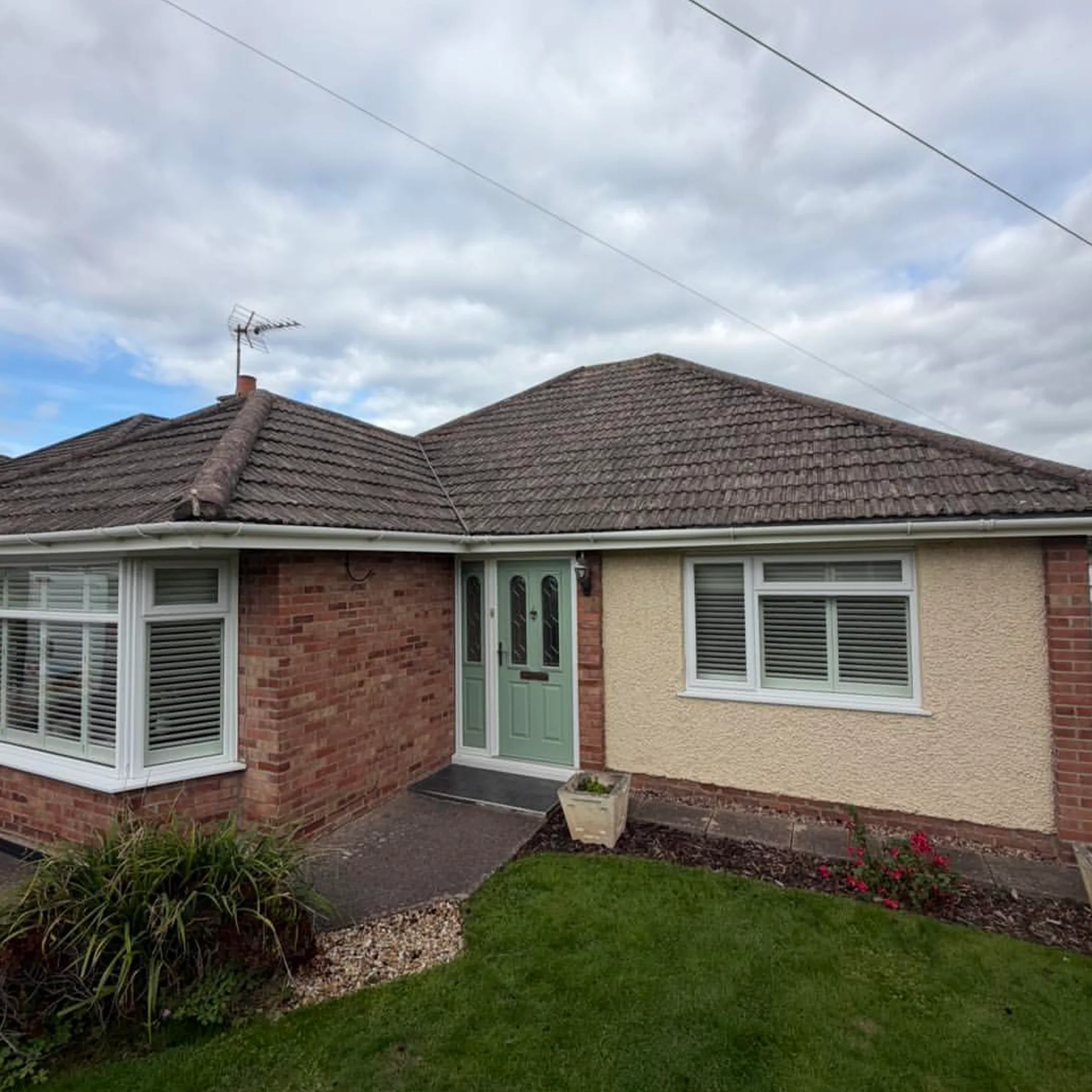
Soft washing and pressure cleaning have their differences, as will be seen in the table. Consider it a guide but do not let it stand in for an on the ground inspection of the roof or, if conditions permit, one from proper access equipment.
| Factor | Soft Washing | Pressure Cleaning |
|---|---|---|
| Main action | A cleaning solution is applied to deal with growth then rinsed at low pressure | Dirt and growth are put to the force of water and removed mechanically |
| Pressure level | Low, in keeping with what one would expect from a garden hose | On the higher side, made to suit the surface |
| Where it is best used | Delicate roof surfaces, lichen, moss, mould and algae | Controlled rinsing of hard surfaces in good order |
| Principal risk to the roof | Poor dilution, damage to plants or chemical run-off | Displaced materials, coating damage, water ingress or tiles broken |
| Regrowth | If the organic matter is properly treated this is normally more effective | The cause may be left unaddressed even though visible growth is gone |
| Rainwater tank | A concern when chemicals make their way into the system | Still an issue as the tank can take in dirty run-off |
You will not find a national percentage that is any indication of how much longer an Australian roof will stay clean with one method over another. The outcome is dictated by such things as the tile condition, rainfall in the area, roof orientation, tree cover, humidity and shade. A Melbourne roof might have to contend with damp winters and its fair share of shade; in Brisbane the warmth and humidity are conducive to organic growth. Internet averages are no match for local realities.
Selecting a Roof Type
Risk is calculated differently depending on the material. Be it terracotta or concrete tile, Colorbond or otherwise, they will not all yield in the same way to repeated cleaning or the application of pressure and chemicals. An old roof demands a closer look.
Terracotta And Concrete Tiles
Years of exposure can leave terracotta tiles brittle, weathered and porous. You could lose protective treatments and some of the surface with high pressure; a soft wash and gentle rinse with a compatible solution is the wiser course.
For all their robustness concrete tiles are not indestructible. There is the possibility of loose tiles, cracked mortar or damaged ridge capping which will see a simple clean become an expense. Insist on an explanation of how the contractor intends to ensure safety should he be walking on the roof.
Colorbond And Metal Roofing
One must be mindful of the painted finish on Colorbond. Unrestrained pressure, abrasives or strong chemicals will weaken or mark the coating. Make sure the solution is suited to the surface and that the rinse is kept from wall junctions, flashings and laps.
While Australia’s roofing advice has a tendency to centre on tiles because of the lichen and moss on show, metal is not exempt from dust, bird residue, leaf debris and algae, particularly where there are trees. It requires maintenance of a gentler, more particular kind.
The Hazards of Pressure Cleaning
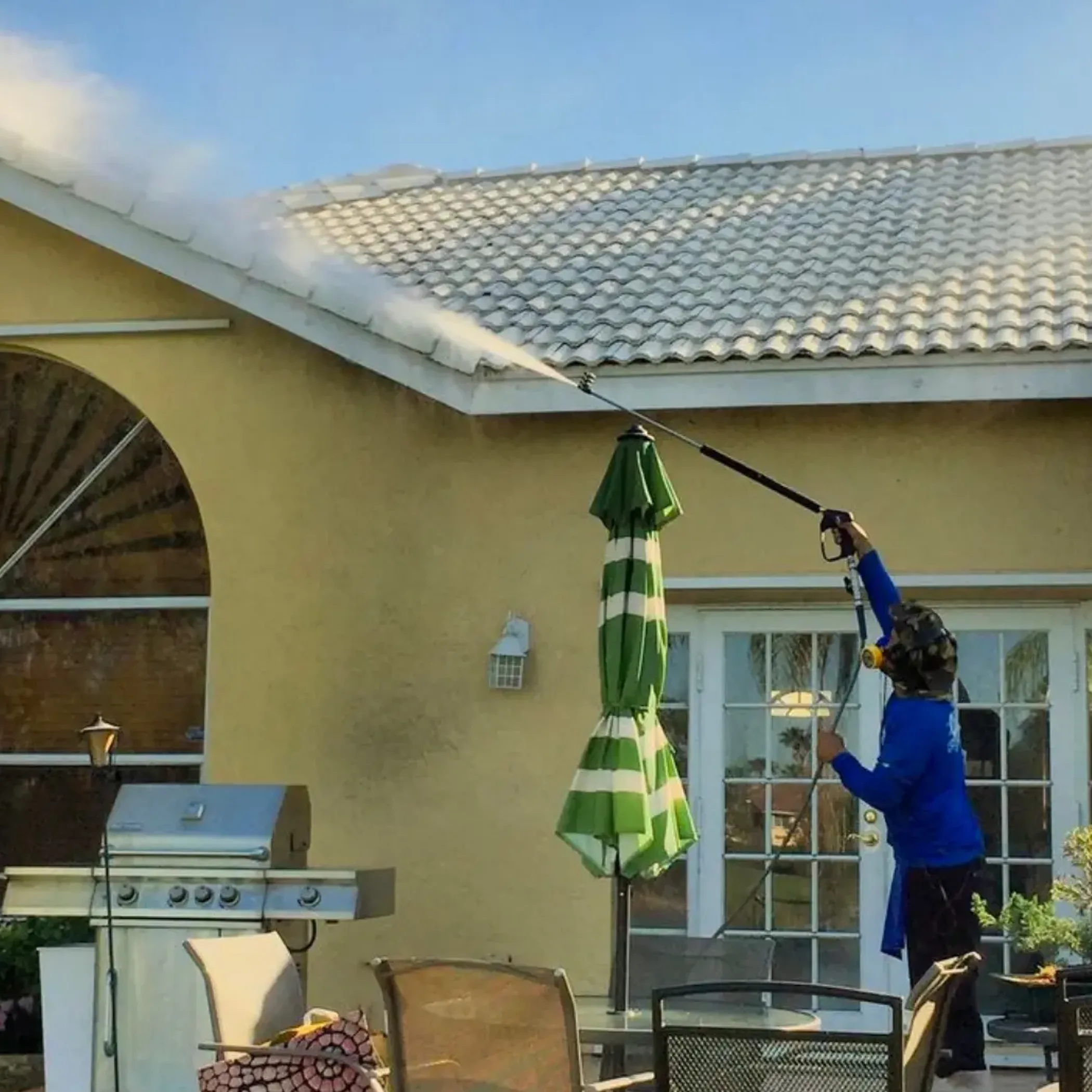
To equate a roof with a driveway is a common error. The latter is flat and solid and meant for traffic; the former is sloped and layered and there to keep the water out. That ought to inform the approach.
With pressure you risk cracking or moving tiles, stripping coatings and getting water in where it does not belong. Weaknesses around flashing, valleys, vents and skylights can be laid bare. And the water ingress will not always be evident in the home right away, you may not see a stain on the ceiling until after the contractor has made himself scarce.
Then there is the question of safety. A pitch that seems manageable from the driveway can be anything but once you are up there on wet, mossy tiles. Homeowners are well advised to stay off the roof and ask for photographs taken from the ground, a written account of defects and details of safe access.
Things to Watch For
It is easy to be drawn to the price and miss the finer points of run-off control, access and repairs. A quote that looks good may have omitted the cost of tank protection, a protective coating, dealing with regrowth, clearing gutters or putting in new tiles.
Timing can be a pitfall too. To clean just before a rain is to have the treatment diluted and the run-off spread, not to mention making access hazardous. In the north the wet season will get in the way, in the south cold and damp will impede drying. One wants a calm, dry spell to get the roof in order and let the treatment do its job.
One cannot put a figure on how frequently a roof should be cleaned. Some homes are in for an annual inspection, with a thorough cleaning called for at more infrequent intervals. A roof in the shade and dampness or under the cover of thick trees will want to be tended to before one that is well ventilated and in the sun.
Telltale signs to look out for are dark streaks, any mould, algae, lichen or moss, and gutters clogged with leaves. See if growth has a habit of making a quick comeback once you have put it right; this can be a sign of inadequate drainage or persistent shade, or that a treatment was only cosmetic in removing the organic matter.
Seasonal Planning In Australia
It is wise to get maintenance done before the local weather turns difficult. Brisbane’s summer storms and humidity can make for hard going when it comes to access and drying. Melbourne residents will want to time their work around the wet winter and not put anything on the books in unstable conditions. Up north there is the matter of cyclone alerts and the rain of the wet season to be cautious of.
Do not make light of the forecast. Heat hastens the drying of products, rain will see off the performance of a treatment and wind will cause spray to drift. Put your trust in an operator who is prepared to call off the job if it is not safe to proceed.
Cost And Access
The cost of roof cleaning in Australia is not a given since contractors put different prices on their work. The quote will be influenced by the size and pitch of the roof, the height, what repairs are needed, the degree of contamination and so forth. Make sure you know if the price covers the inspection, protection of the area around the house, rinsing of the gutters, waste-water disposal and a follow-up.
As for logistics, you do not need to plan a route as you would for a bushwalk but a driveway in use will hold up the setting up of equipment. Give the contractor details of any rainwater tanks, put away any outdoor furniture of a fragile nature and make sure pets are secure. Should the roof be hard to get to, enquire if they require a scaffold or some other form of access system.
A Simple Roof Checklist
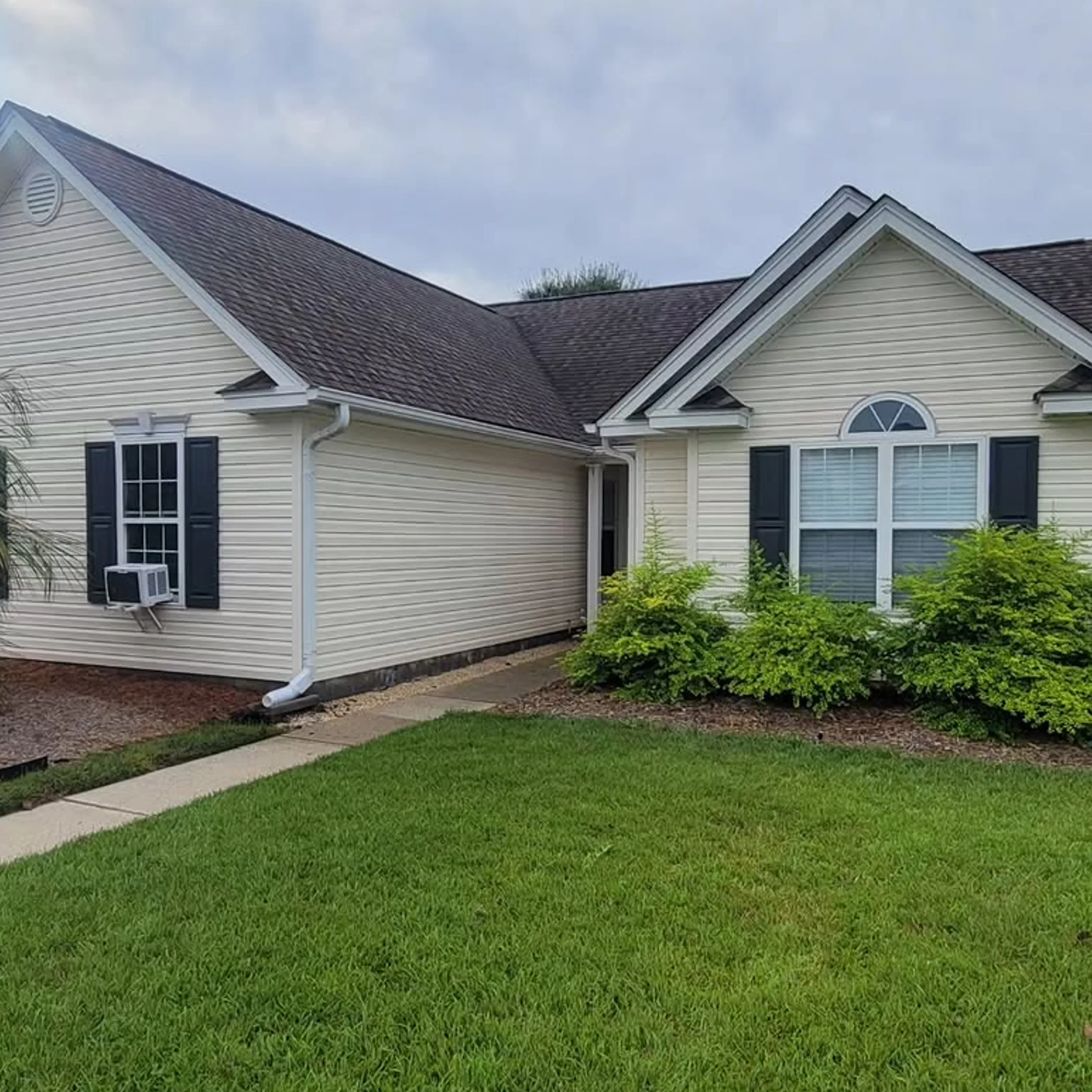
There is merit in having a checklist to stave off a hasty decision and to enable a homeowner to put quotes side by side without wondering at the disparity in the numbers.
- Verify the condition, age and material of the roof.
- Get an explanation of why soft washing or controlled rinsing is being put forward.
- What is being done to safeguard windows, walls, plants and rainwater tanks?
- In the event of cracked tiles or loose ridge caps, what is the procedure?
- Be clear on warranty terms, clean-up, roof-safety and what the weather limits are.
Match The Method To You
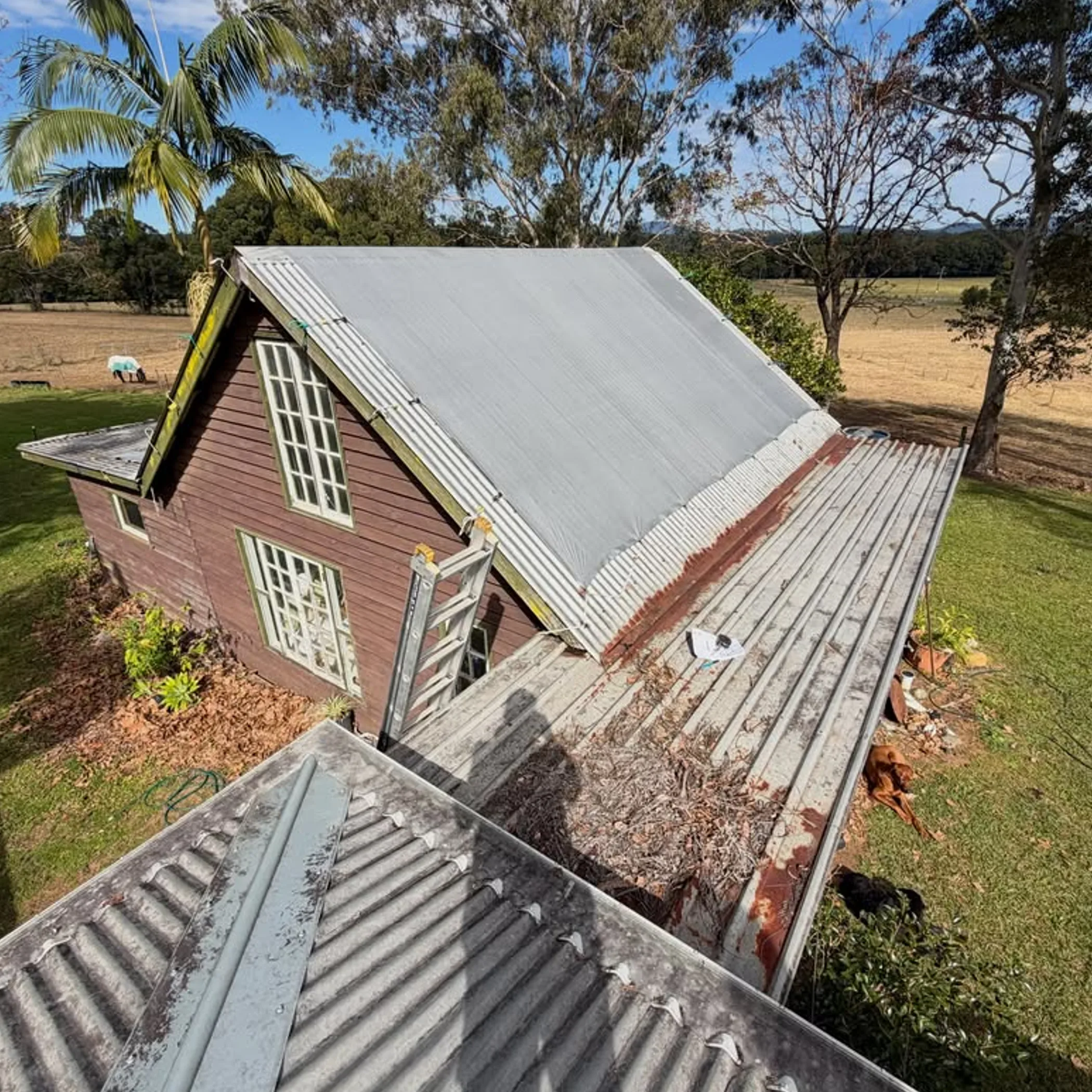
For an older terracotta tile or a roof with its share of mould and moss, soft washing is often preferable as it treats the organic growth with less mechanical force. It does demand a trained hand and due care with the chemicals.
Then there is pressure cleaning which has its place on sound surfaces provided the operator knows his way around a roof and exercises control. But for a brittle tile or a delicate coating it is not the answer, nor is a service that professes a one-setting-fits-all approach. If all you are told is “we blast it clean”, leave the ladder and the wallet where they are.
Ultimately the method should be one that solves the problem and lets the roof do its job of keeping water out. In many parts of Australia that will be a low-pressure treatment with a careful rinse, in others a case of repairing first and cleaning after.
Frequently Asked Questions
How To Do A Soft Wash On A Roof?
Normally the operator will inspect the roof and put down a suitable solution at the right strength before a low pressure rinse, taking care of run-off and the rainwater tank. Homeowners are not advised to mix chemicals or go climbing on a wet roof unless they have the knowledge and gear for it.
Where Should You Not Use A Pressure Washer?
Anywhere water might find its way into the building or run-off could harm a plant or taint a tank. Uncontrolled pressure on a loose ridge cap, open vent or damaged flashing is to be avoided. It is a matter of inspection not what the machine can do at maximum.
How Often Should A House Be Soft Washed?
You will not find a set timetable. An annual check is in order and if there is heavy staining or mould then clean it. Too much of a good thing is a waste of money and wears the surface. Those in humid climes or with trees overhanging the house may have to be more assiduous.
Can You Power Wash A Roof With Shingles?
It is apt to lift the edges or force water under the layers of a shingle system. Most Australian roofs are of metal, concrete or terracotta tile, so identify the type and use the method made for it.
Does Soft Washing Prevent Regrowth?
If the organic growth is dealt with properly regrowth is curtailed but no contractor in his right mind will vouch for a roof to be spotless for ever. There is still the business of regular maintenance and inspection.
Make The Safer Choice
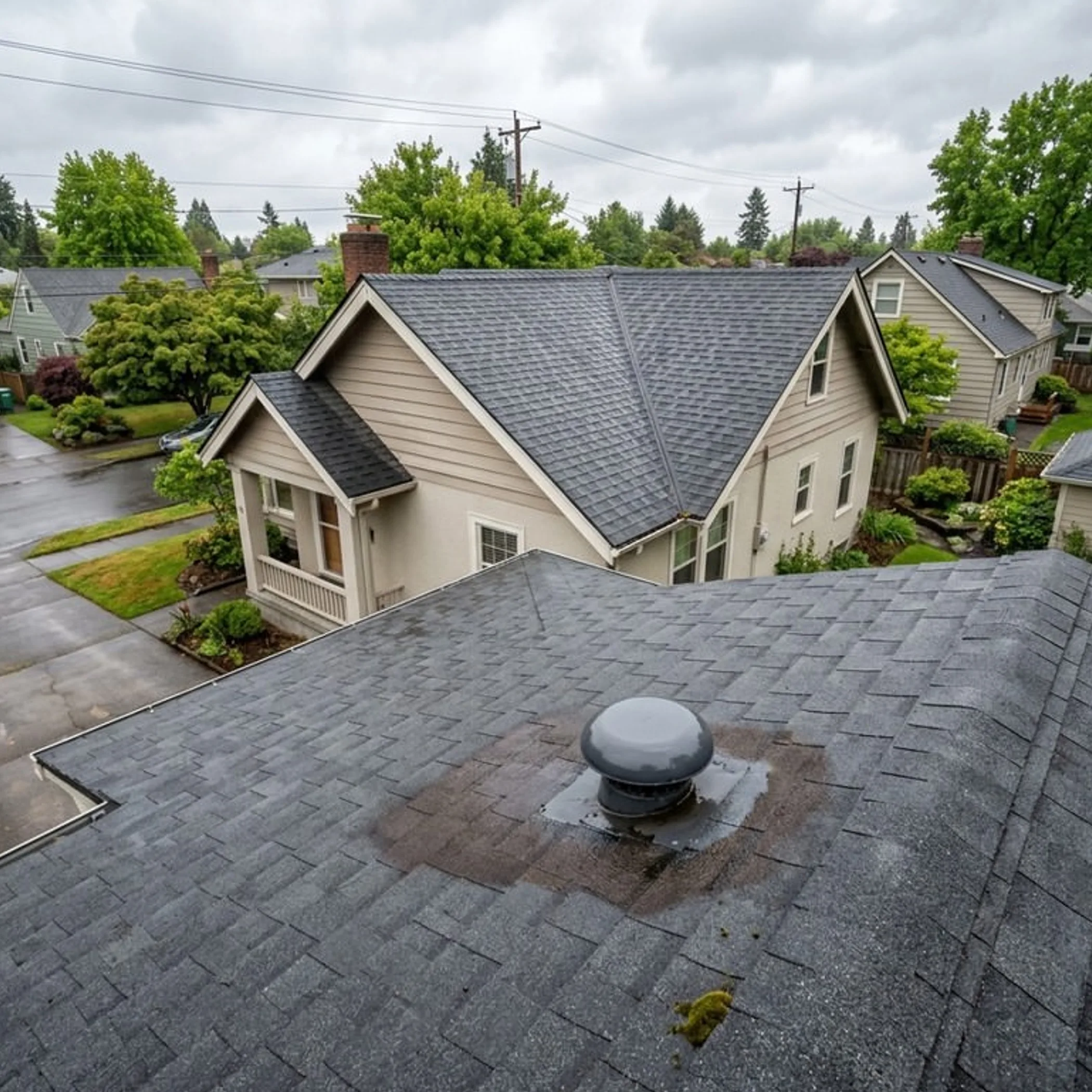
It is not a question of which machine is strongest when it comes to soft versus pressure washing. The former is a gentler way to handle organic growth, the latter has a limited application in rinsing or on the right kind of surface.
Have the roof looked at, be sure the method is right for the material and schedule the work for when the weather is dry and calm. Any fool can have a clean roof, but one that also keeps the rain at bay is the true measure of a job well done.