Permanent eyebrow tattoo aftercare in Australia gets decided in the first 7 to 14 days, not six months later when you’re staring at a faded tail in the bathroom mirror. I tell clients the same thing after every appointment: clean them the way you were shown, keep sweat and sun off them, don’t soak them, and leave the scabs alone.
I’m Anna Marlowe, and most bad healed brows I’ve seen weren’t disasters that started in the chair. They came from ordinary stuff. A hot shower on night two, a F45 class on day four, retinol creeping up the forehead because someone forgot, then one little pick at a flake that turned into five.
So this is the part people actually need once they get home: what to do before you walk out of the clinic, the eyebrow tattoo healing timeline day by day, how dry healing differs from moist healing, what to keep right away from fresh brows, and when to call your artist or book a GP visit. Australia makes this harder, bluntly, because Brisbane humidity, Perth sun, Sydney beach weekends and Melbourne heat all work against neat healing.
Why Aftercare Matters
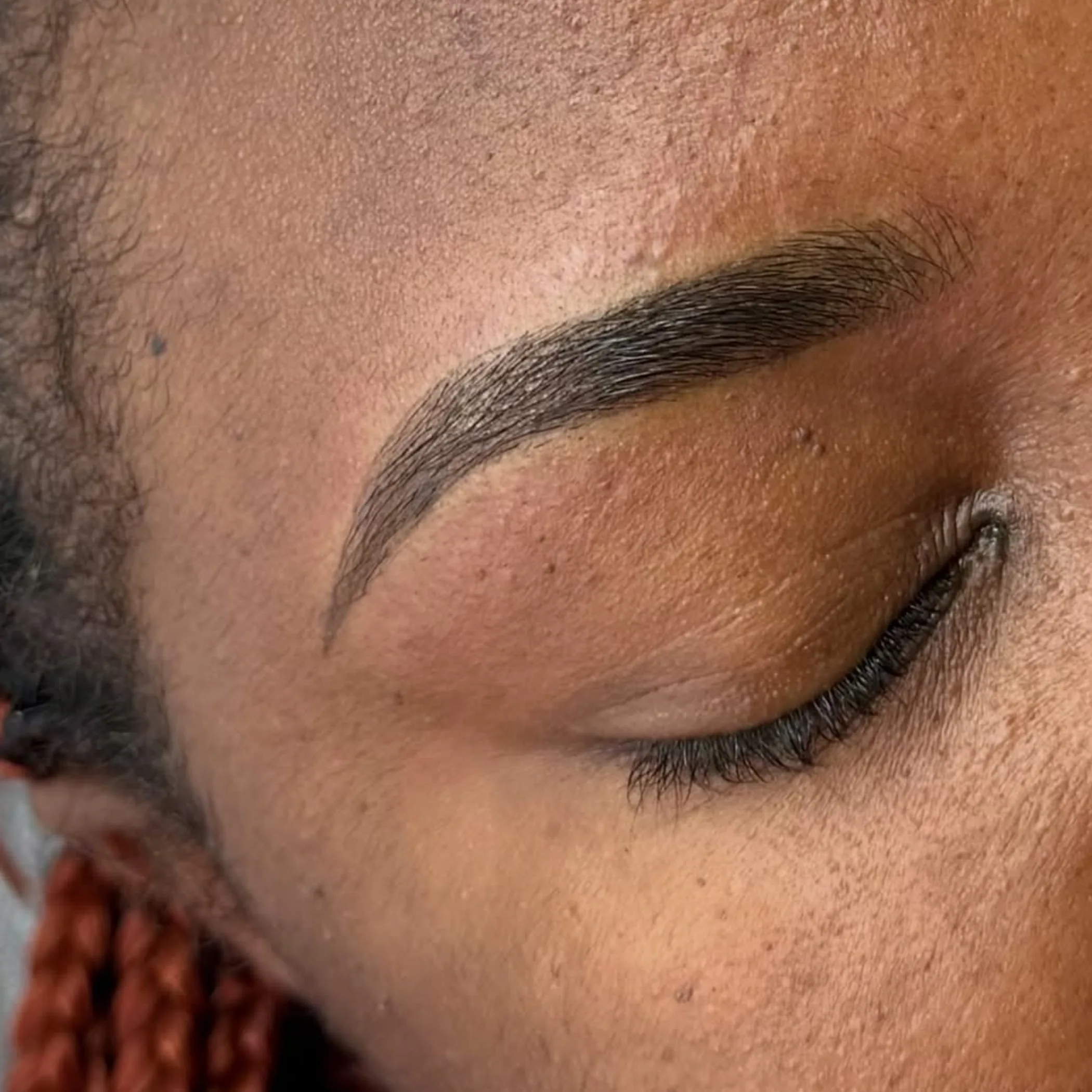
Technique starts the job. Aftercare decides how much of that work stays in the skin over the next 2 to 4 weeks, when itching starts, flakes show up, and people get the urge to fuss with their brows because they suddenly look darker, then patchy, then lighter than they expected. Understanding eyebrow tattoo longevity can help manage these expectations.
That’s normal.
The eyebrow tattoo healing process is skin repair, full stop. Microblading, machine shading, nano brows, ombre brows, they all leave the skin needing time to close over, calm down and hold onto pigment without too much friction, too much moisture, or too much product sitting on top of the area.
Expectation Vs Reality
Most people expect the brows they leave with on Saturday to be the brows they keep. That almost never happens.
Fresh brows usually look stronger for the first couple of days, then flaky around day 3 to day 7, then weirdly faded in week 2, because a fresh layer of skin can mute the colour before it settles back in. I spend a silly amount of time telling people this in advance, and half of them still message me on day 10.
Another thing that trips people up is product. More product doesn’t heal brows faster. Too much ointment can soften the skin, trap heat and loosen flakes before they’re ready to lift, which is exactly how you lose pigment in spots.
Before You Leave The Clinic
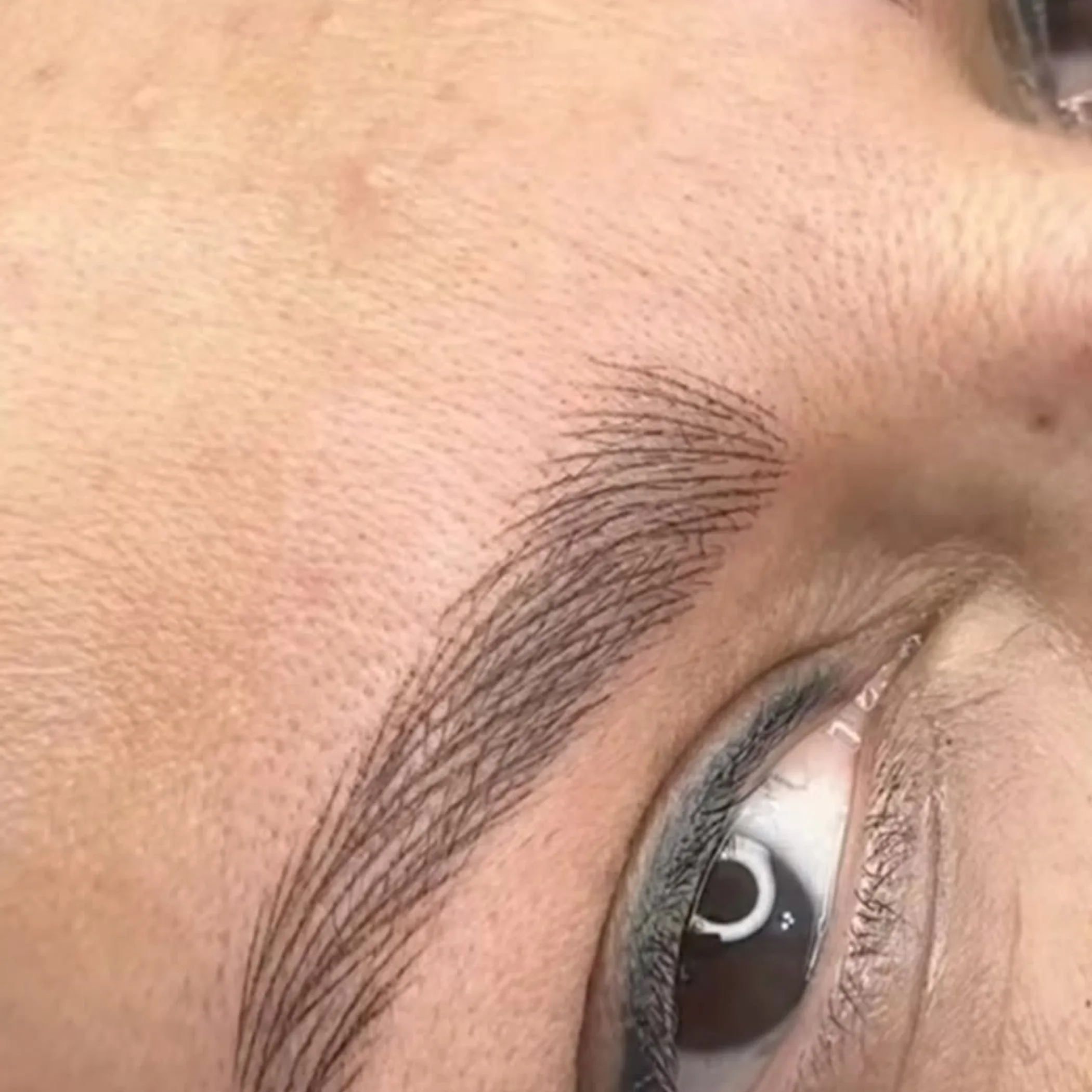
The best aftercare starts before you’ve even paid and grabbed your bag. Sit there for another two minutes and ask the questions.
You need to know how your artist wants the area cleaned, whether they want dry healing or moist healing, what product name they actually want you to use, and when your touch-up should be booked, because memory gets foggy fast once you’ve left the clinic and your phone starts buzzing. Ask for the written sheet. Take a photo of it if you have to.
What To Confirm First
- Ask what technique you had. Microblading aftercare can differ a bit from machine shading, nano brows aftercare or ombre eyebrow tattoo aftercare, especially if your skin runs oily, thin or reactive.
- Ask how often to clean the area in the first 24 to 48 hours, what cleanser is allowed, and whether an eyebrow tattoo aftercare cream or balm is part of the plan.
- Ask what they expect your skin to do. Mild redness, tightness, tenderness, light flaking and a bit of swelling can all happen.
- Ask what stays away from the brow line for the next couple of weeks. Retinol, AHAs, BHAs, fake tan, active serums, makeup, brow gel, all of it.
- Ask how to reach the clinic if healing goes unevenly or you start seeing infection signs.
If you’re heading home on the tram, bus or train, watch the friction. Sunglasses arms, caps pulled too low, hoodies, scarves, they all rub. And Australian UV gets to work fast, even in what people call “just a quick drive home,” so if you can keep direct sun off the area without touching the brows, do it.
Healing Timeline By Stage
This is the section clients read twice. Fair enough.
The exact eyebrow tattoo healing stages shift with skin type, immune response, technique and weather, but the broad pattern stays pretty steady. If you’ve got oily skin in Darwin in January, expect a slightly different ride than someone healing in Hobart in May, though the same core rules still apply.
Day 0 To Day 2
Brows are usually darker, sharper and more solid than the healed result will be. Redness can sit around the area for a few hours, sometimes into the next day, and first-time clients often get mild swelling over the brow bone or a tender, tight feeling by that first night.
You may see a small amount of lymph fluid. That’s why many artists tell you to blot or clean the area gently on day 1.
Use sterile water or exactly what your artist told you to use. If fragrance-free soap is on your sheet, use a tiny amount with a very light hand, then pat dry with clean tissue or a disposable pad. No washcloth. No scrub. No “I’ll just fix that little bit.”
Day 3 To Day 7
This is usually the ugly phase. Dryness kicks in, the area starts itching, and flakes or scabs show up in little bits that make the brows look crumbly, broken and frankly worse before they look better.
Hands off.
I’ve watched people wreck decent retention in 30 seconds by peeling off one flap that was “basically ready anyway.” If a flake is hanging on at the front or tail, leave it. Pulling it early can pull pigment out with it.
Week 2
By week 2, most of the visible flaking has eased, and this is the point where panic messages peak because the colour can suddenly look too light or patchy. Fresh skin sitting over healing pigment can mute everything for a while, so a softer look here doesn’t mean the treatment has disappeared.
Don’t get lazy here.
A lot of people see calmer skin and head straight back to sweaty classes, exfoliating cleansers and long showers. The skin may look settled on top, but underneath it can still be in that later part of healing where too much moisture, friction or active skincare throws things off.
Weeks 3 To 4
By week 3 or 4, the brows usually start reading more evenly and more like the healed result you were hoping for. The surface is smoother, the colour is easier to judge, and your artist can usually tell at a follow-up whether the fronts, arches or tails need reinforcing at the touch-up.
Patchiness doesn’t always mean bad work. Plenty of clients need an eyebrow tattoo touch up.
Here’s my inconvenient opinion: if you know you’ve got a beach holiday, a wedding, a boot camp challenge, and zero chance you’ll follow aftercare for 10 to 14 days, postpone the appointment. Salons hate empty slots, but I’d still rather reschedule you than watch good work heal badly.
| Stage | What You May Notice | What To Do | What To Avoid |
| Day 0-2 | Darker colour, mild redness, slight swelling | Clean gently with sterile water or fragrance-free soap if instructed | Touching, makeup, direct sun, steamy showers |
| Day 3-7 | Dryness, itching, scabbing and peeling | Follow dry healing or apply a very thin layer of approved ointment | Picking, scratching, sweating, swimming |
| Week 2 | Patchy or faded appearance | Stay consistent with aftercare and sun protection | Retinol and acids, facials, waxing near brows |
| Weeks 3-4 | Colour settles, shape becomes clearer | Review healing and plan touch-up appointment if advised | Assuming healing is complete too early |
Cleaning And Product Choices
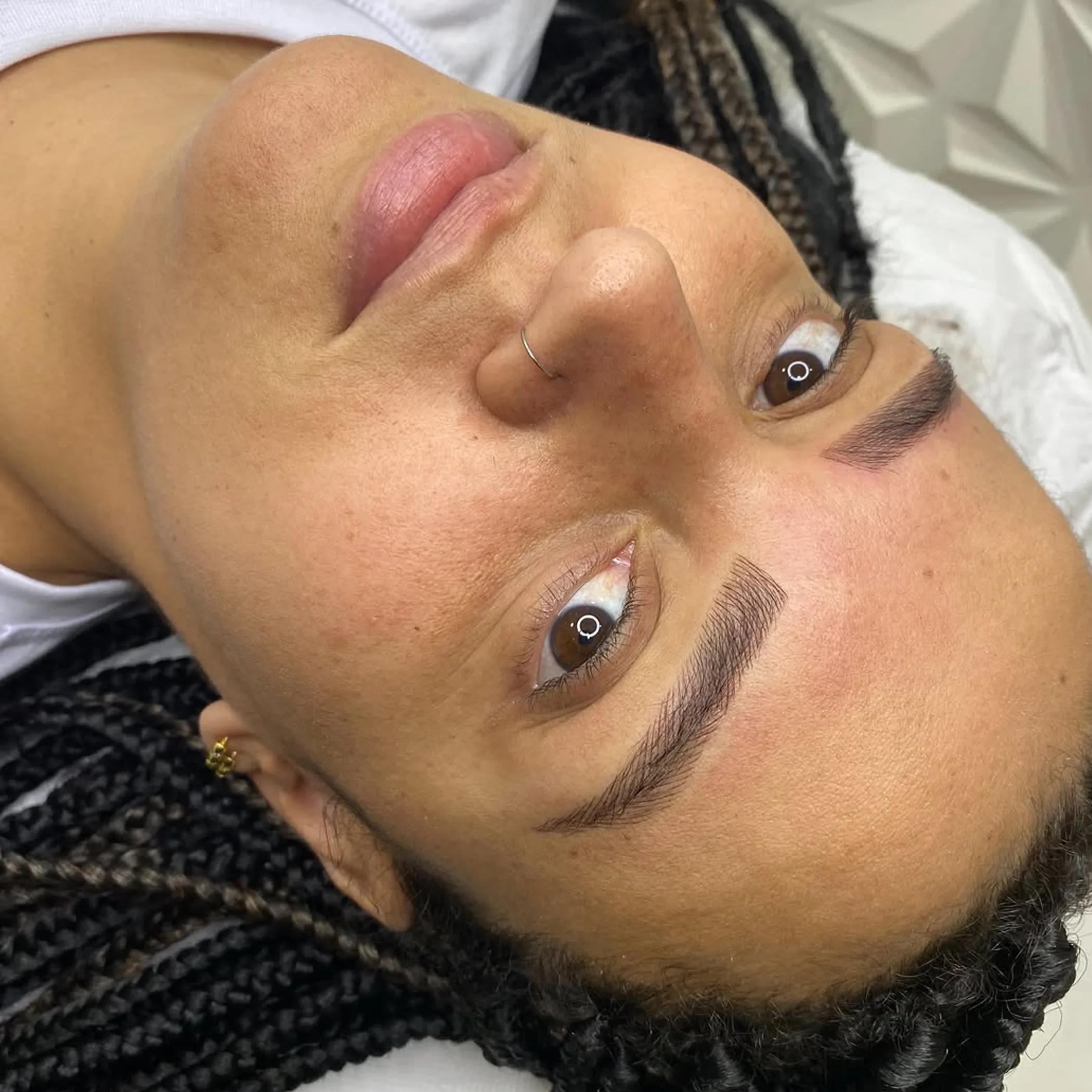
There isn’t one magic product that fixes poor aftercare. The routine has to match the method your artist uses, your skin and the kind of brow tattoo you had done.
In brow tattoo aftercare AU clinics, most artists lean toward either dry healing or moist healing. What works badly is mixing both because TikTok said one thing, your cousin said another, and the clinic sheet is still folded in your handbag.
Dry Vs Moist Healing
Dry healing means the area stays clean and mostly product-free. Some artists like it for clients who over-apply everything, and some find it works well on certain skin types because the area isn’t being kept damp all day.
Moist healing uses a tiny film of approved balm or ointment to cut down cracking and discomfort. Tiny is the word.
If the brows look glossy like you’ve buttered them, that’s too much. Excess ointment can sit warm on the skin, soften the flakes before time and leave the area too wet for tidy healing.
Safe Product Notes
Use what your own practitioner approved, not what an internet comment section swears by. Clients often mention Tattoo Goo, clinic balms, or names tied to local places such as Cosmetic Tattooing Melbourne, BA Collective, Tanya Beautycare, LuxeInk and CTM, but each clinic can set up aftercare differently based on technique and skin history.
If your sheet tells you to cleanse, stick with sterile water or lukewarm water and a fragrance-free soap, then pat dry with something clean and disposable. Fresh pillowcases help more than people think, especially over the first 2 or 3 nights when the skin is tender and every bit of grime, hair product and face cream seems determined to migrate onto the brows.
What To Avoid Completely
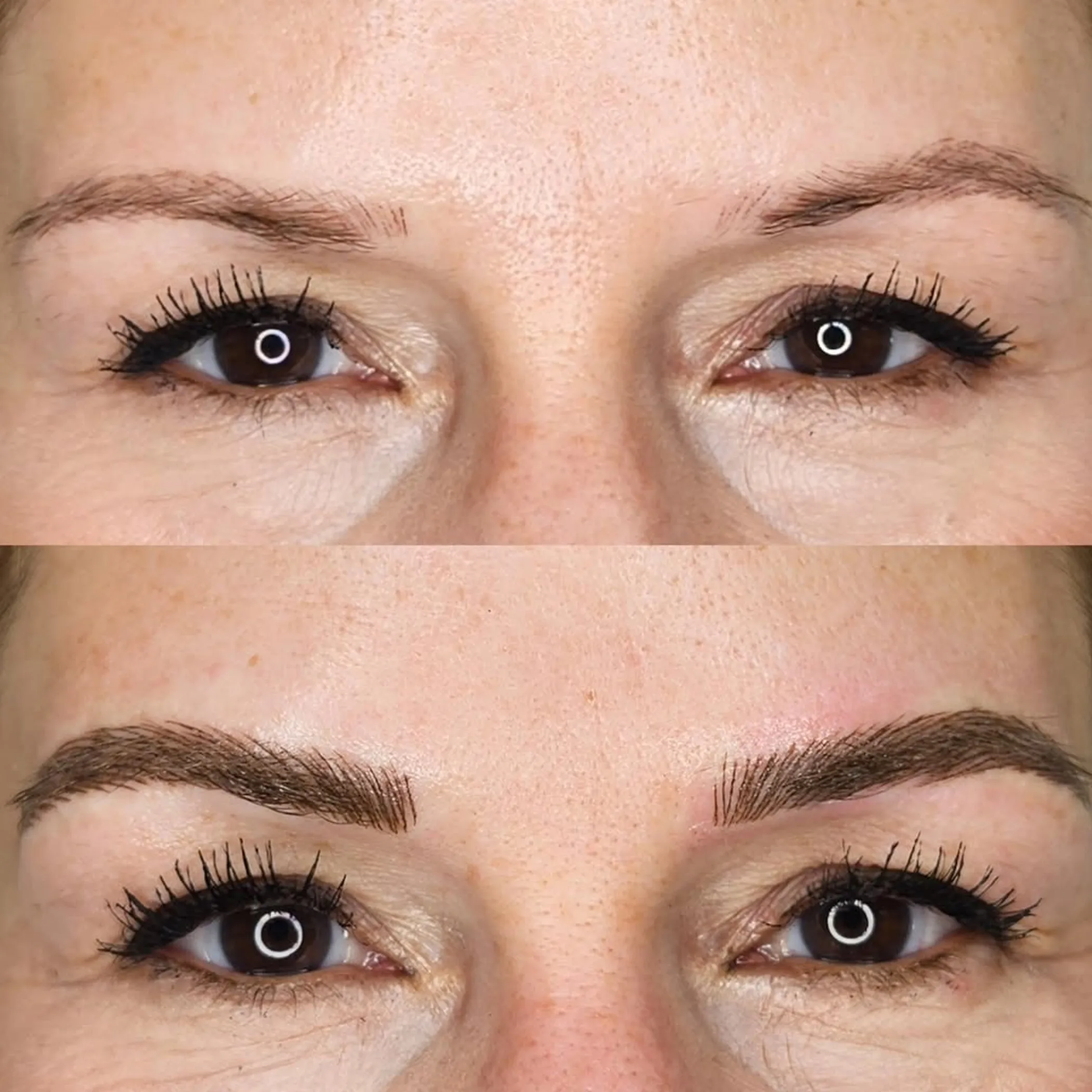
This is where good permanent eyebrow tattoo aftercare usually gets wrecked. Water, heat, rubbing, sweat, UV and active skincare are the usual culprits.
Australian routines don’t exactly help. People swim laps at 6 am, run for the train in 31 degree heat, stand under hot showers after work, then wonder why the fronts healed patchy.
Big Risks In The First Weeks
- Soaking the area: skip swimming, baths, saunas and long hot showers. A quick lukewarm shower is far safer than standing in steam for 20 minutes.
- Sweat: if your artist says no heavy exercise early on, listen. Hot yoga, long runs, HIIT sessions and spin classes can irritate the skin and shift healing.
- Direct UV: fresh brows and Australian sun are a bad mix. Keep direct exposure off the area during healing, then use SPF around the area once the skin is closed and calm.
- Active skincare: keep retinol, acids and exfoliating products away from the brow zone. That includes the “accidental” swipe when you’re applying night cream half asleep.
- Other beauty treatments: no waxing, tinting, lamination, chemical peels, laser or needling near the area until your artist clears it.
Please don’t invent your own aftercare plan from TikTok. I’ve seen clients combine dry healing, paw paw ointment, saline spray and random cleansing wipes in one week, then send photos asking why one tail vanished. The answer was on the aftercare sheet the whole time.
If you’re healing through a hot spell or you live somewhere humid, account for that. A five-minute walk in Melbourne in late January, a Gold Coast weekend, or a quick gym session in Adelaide can mean more sweat and more sun than you expected, even if the brows only feel “a little warm” (and yes, that still counts).
When Healing Looks Wrong
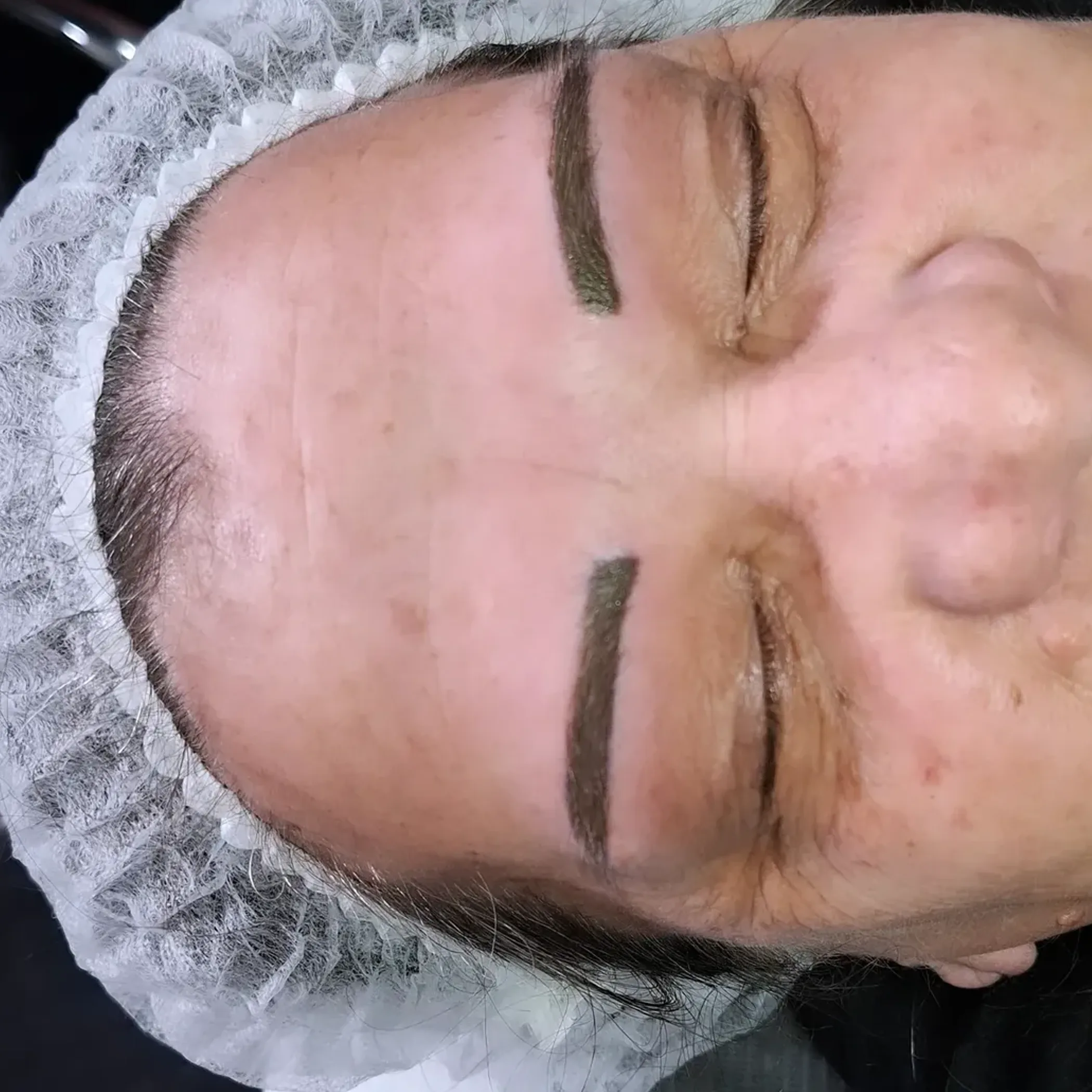
Some redness, itch and flaking are part of the deal. Rising pain, spreading redness, obvious discharge or heat that keeps building are not.
The Australian Government’s Healthdirect guidance on skin infections lists redness, swelling, pain, warmth and pus as signs to watch. If those symptoms are starting or getting worse, contact your cosmetic tattooist and book medical advice with a GP.
Signs To Act On
Pay attention if swelling keeps increasing after the first couple of days, if you see yellow or green discharge, if the area feels hot, if pain is getting sharper instead of easing, if you get fever, or if a rash spreads outside the brow area. Product reactions can muddy the picture too, especially if you’ve used something that wasn’t on your clinic’s approved list.
Rachel Lavelle and other experienced trainers say the same thing I saw for years on salon floors: clients often wait because they don’t want to seem dramatic. Ask early. That’s the better call.
Keeping Colour For Longer
Healing gets you through the first month. Maintenance keeps the result looking decent after that.
Eyebrow tattoo longevity usually comes down to boring habits, the unglamorous kind people ignore because they want one miracle balm instead. Protect the skin, stop exfoliating over the brows, and turn up to your follow-up if your clinic scheduled one.
Maintenance That Actually Helps
Once the skin is healed, use broad-spectrum SPF around the area whenever you’re outdoors for any real stretch of time. Australian UV fades things fast, and regular exposure adds up over months, especially on clients who walk, drive, surf, garden or sit by windows all day.
Be careful with retinoids, acids and resurfacing treatments long term. If you use strong skincare, apply it on purpose.
Microblading aftercare, nano brows aftercare and ombre eyebrow tattoo aftercare all point to the same truth: skin condition shows up in healed results. Machine work is often sold as gentler and more precise than older manual methods, and sometimes that’s fair, but none of these techniques are maintenance-free and none of them stay crisp if the skin gets hammered by sun and actives year round.
Most Australian clinics book a follow-up after the first procedure. That’s where shape gets refined, small gaps get filled, and retention is judged properly, so if you skip that appointment and then call the whole treatment a failure, you’re usually judging too early.
Choosing A Safe Artist
Aftercare helps, but it can’t rescue poor hygiene, bad mapping or an artist who promised brows your skin was never going to hold. The procedure still has to be done well in the first place.
Ask blunt questions before you book. Glossy Instagram pages are cheap.
Clinic Questions Worth Asking
Ask if you’ll get written consent forms and written aftercare. Ask whether patch testing is offered when it makes sense, what technique suits your skin, how review appointments are handled, what happens if retention is poor, and whether your current skincare, medication or skin history changes suitability.
Permanent eyebrow tattoo aftercare suits people who will actually follow the rules for the full healing window, keep sun and swimming off the area, and show up for follow-up care. If you’ve got active skin disease near the brows, a history of poor wound healing, strong sensitivities, or doubts about how cosmetic tattooing will sit on mature skin, talk that through before you book.
Final Thoughts From Anna
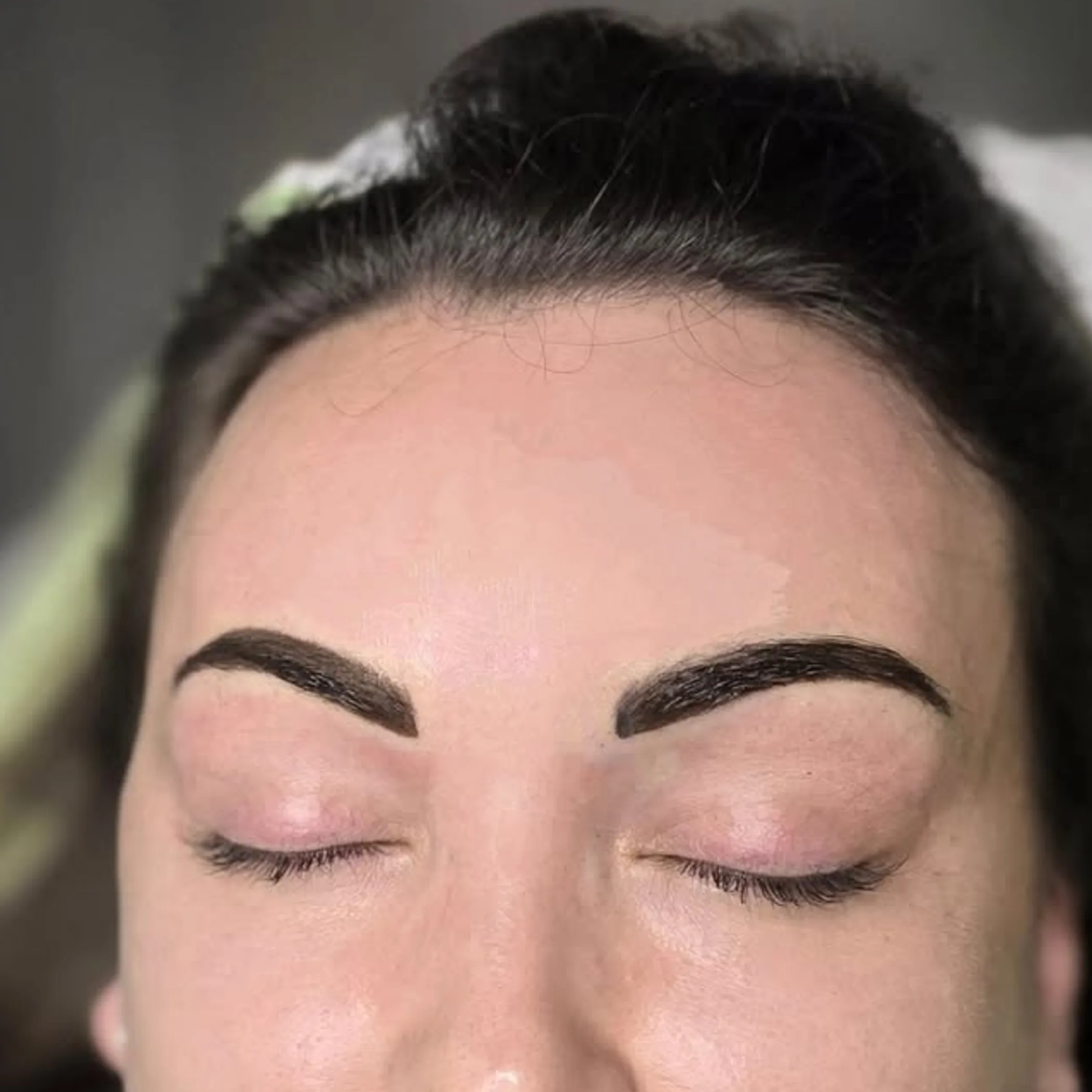
I sound firm because I’ve watched casual aftercare cost people money. Sometimes it’s obvious. More often it’s a weak tail, patchy fronts, or a touch-up appointment doing heavier lifting than it should have to do.
The best permanent eyebrow tattoo aftercare Australia 2026 still looks very plain: clean hands, a clear routine, no picking, no soaking, no excess sweat, and proper sun care. Do that for the first 7 to 14 days, and your brows have a far better chance of healing evenly and holding colour the way you paid for.
FAQ
What not to do after permanent eyebrows?
Don’t pick scabs, scratch the area, soak the brows, swim, use saunas, stand in long steamy showers, apply makeup over fresh skin, or put retinol and acids near the brows during healing. If your artist gave you a sweat restriction for the first week, treat that as real.
What is the best aftercare for eyebrow tattoos?
The best routine is the one your own cosmetic tattooist gave you in writing. In practice, that usually means gentle cleansing with sterile water or fragrance-free soap if they asked for it, keeping the area clean, using only the approved ointment if they want moist healing, and keeping sun, friction and excess moisture away from the brows.
How long does the eyebrow tattoo healing process take?
Most surface healing takes about 2 to 4 weeks. The roughest stretch is often day 3 through day 7, then week 2 can look lighter than expected before things settle more properly after that.
Why is microblading not recommended for over 55?
It isn’t a blanket ban, but many artists are careful with mature skin because it can be thinner, drier and more textured, which can make crisp hairstrokes heal less cleanly. Soft machine shading or nano-style machine work is often a better fit, depending on the person’s skin, health history and goals.
What is the newest permanent eyebrow technique?
Technique names change every few years, but a lot of current talk sits around machine-based methods such as nano brows and soft shading. Newer-sounding doesn’t mean better for your face, so the right choice is the technique your qualified artist recommends after looking at your skin up close.