There is a rule of thumb when it comes to Victoria beach safety and in the water: go where there are patrols, see what conditions are like before you set off and confine your swimming to the area between the red and yellow flags. Adhere to that and you will have most of the people who turn up with good intentions and a questionable inflatable but no idea what the water is up to beat. For those looking to relax, the Phillip Island pristine beaches offer a serene escape.
Then again, Victoria has its share of surf beaches and strong currents as well as beauty. You will find sudden changes in the weather, cold water, drop-offs you can not see, stormwater after a rain and now and then someone who mistakes confidence for being able to swim. Not the same thing at all. I am Anna Marlowe and having made my home in Australia I have come to appreciate that nature here can be lovely and unforgiving in equal measure.
I put this guide together to offer the kind of up to date, practical counsel that is of use to the local, the international student, the family and any traveller to Victoria. We will get into rips, marine hazards, the Beachsafe app and how to go about swimming after rain Victoria, and some of the errors people make when they make for the coast.
The Case For Safety
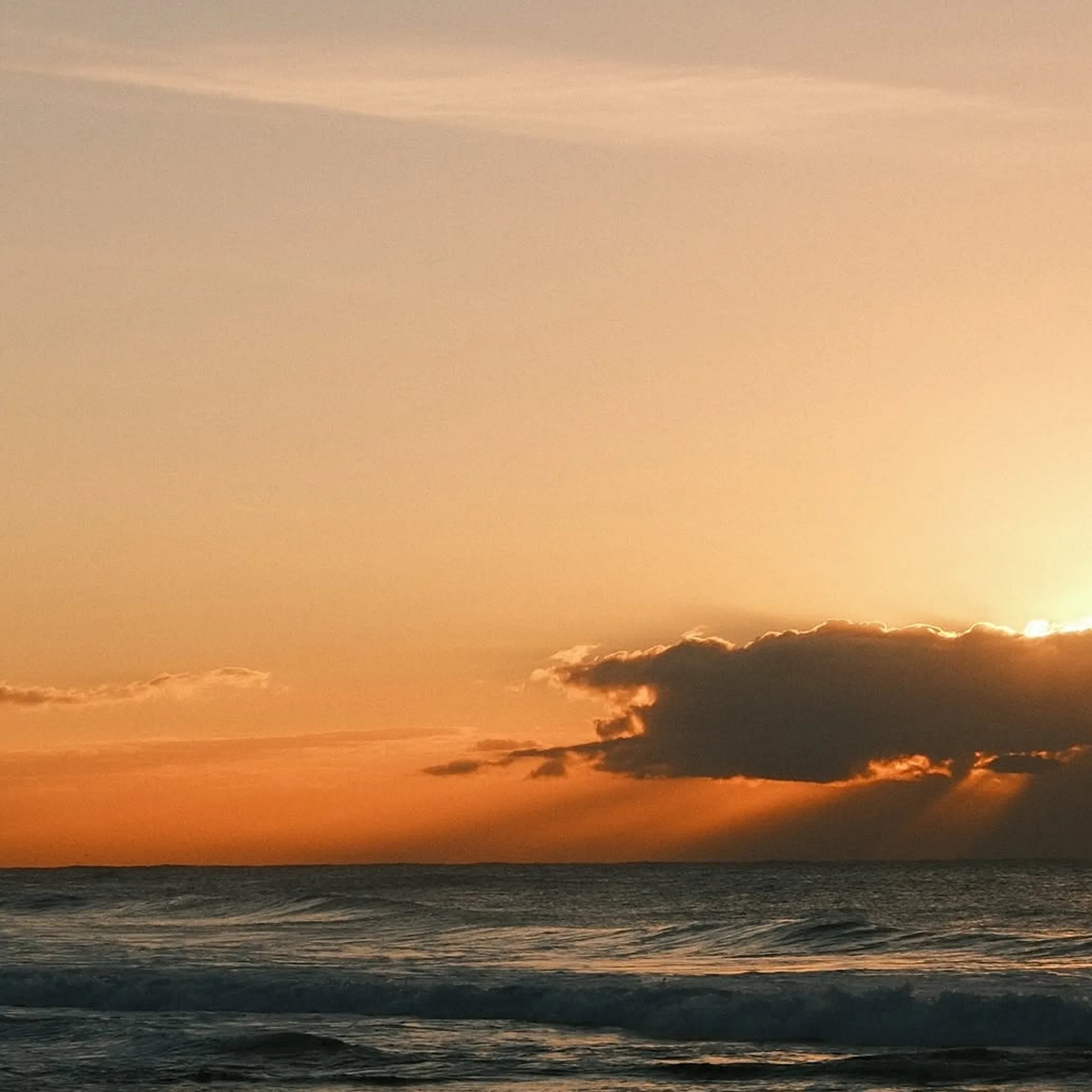
You will not find anything neat or predictable along Victoria’s coastline. The difference between an open surf beach and one in a bay can be stark; from the car park it may look as flat as a pancake but once in it is another matter. My way of putting it is that safe water and pretty water are two different things. Even a placid beach can have its currents, rocks to slip on, cold shock or substandard water if it has rained, so plan accordingly.
Where People Go Wrong
It is easy to fall into the trap of thinking every beach is the same. Those on Port Phillip Bay might be more subdued than you would find on the Surf Coast or Bass Coast but they still put on a wave, have boat traffic and deep channels, not to mention the odd sharp object or change in the weather.
Some will make of their holiday swim what they would of a dip in the hotel pool. They do not allow for tides and sandbars shifting, or the wind coming up. An adult will tire quicker than he will let on and a child even sooner in the surf. Introduce cold water and you have a recipe for panic.
Do Your Checking
Better to sort out the details before you put your thongs on the sand. A review of the warnings, the water quality and whether there is a patrol in place will save you from poor judgement down the track. I make a point of doing the unglamorous work first when I have a beach day in mind. It is not much fun to have driven 90 minutes and hauled half the house in a tote bag only to have to tell the children the beach is closed.
Rely On Patrols And What They Say
Beachsafe and the like are the best place to begin for a summary of hazards and current conditions. Do not count on a beach being patrolled just because it was last summer; Life Saving Victoria will have advice and information that varies with the season and the day.
After heavy rain EPA Victoria is a good check. Stormwater can carry bacteria and litter from urban runoff and drains into the swimming areas of a beach near a creek. The Victorian Government also puts out public health guidance on beach safety which is a sound reference to have before you go. It will reiterate the importance of the flags and a patrolled beach.
Make Allowances
From Melbourne a hot weekend or public holiday can see your timing run away with you. The map says an hour but factor in the parking, the queues, a coffee and a child insisting on a new bucket and it is longer. Public transport is fine for some spots on the Mornington Peninsula or bayside but less accommodating if the weather sours. With a day to spare you are better off with a beach that has access, shade and a known patrol than one that is merely photogenic.
The Rules Are There For A Reason
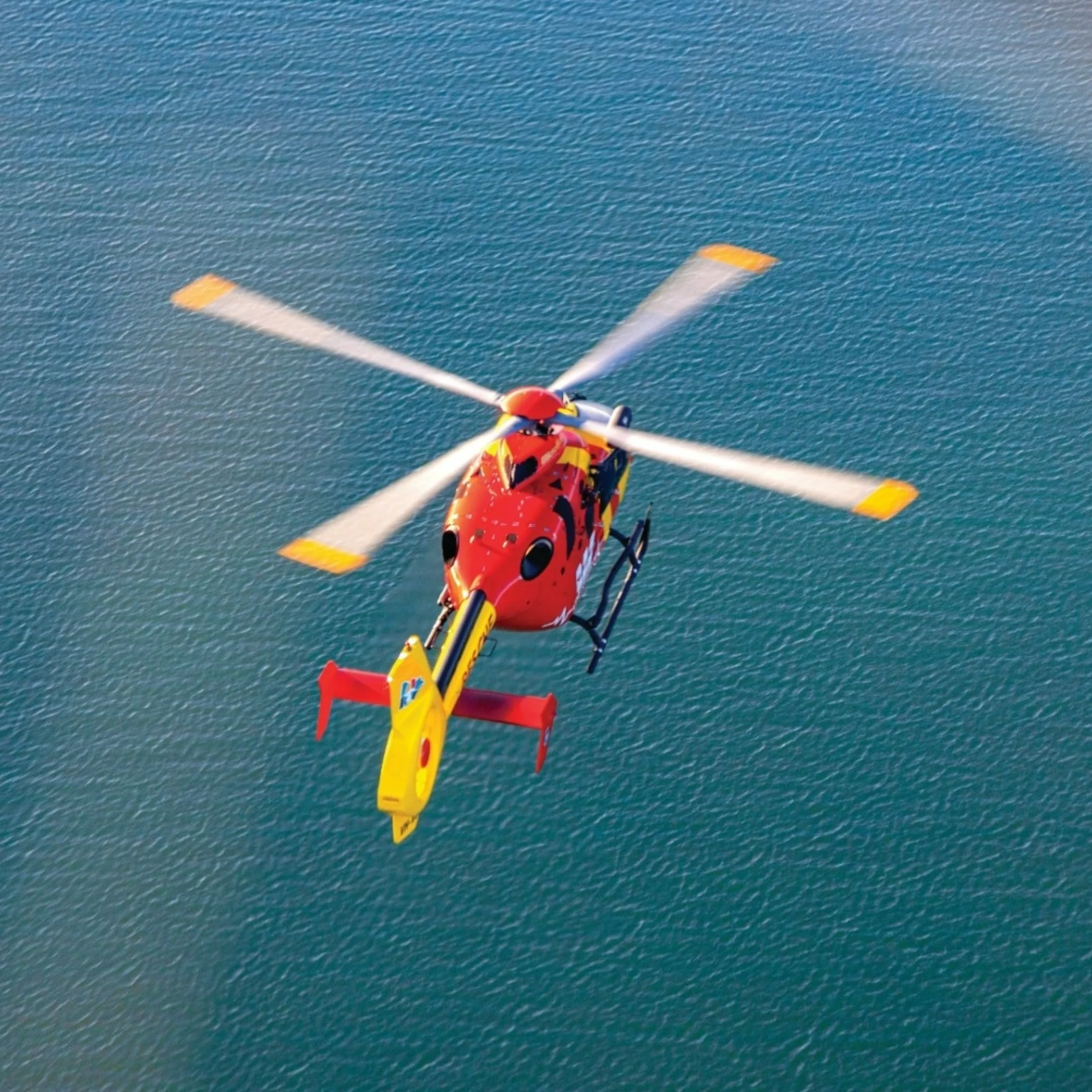
They are basic rules because they are effective. Look at the rescues and the pattern is there: alcohol and swimming, going in by oneself, not heeding a warning or simply overestimating what one can do and venturing outside the safe zone. There is no pretension to Anna Marlowe’s cheat sheet. It is the kind of advice surf lifesavers put forward because it has a way of preserving one’s skin.
Ten Rules Worth Heeding
- Make it a patrolled beaches Victoria in Victoria if you can.
- Swim where the red and yellow flags are put out by the lifesavers, and only there.
- Take in what the beach signage says prior to going in the water.
- Have a buddy with you when you swim, be as sure of yourself as you like.
- No alcohol or drugs and then a swim.
- Keep an active eye on children in and around the water.
- You will be put to the test by the cold and the surf, so do not overestimate your ability.
- Steer clear of stormwater outlets, river mouths, piers and rocks.
- Before you head out, see what the weather and tides are doing and whether the water quality after rain is good.
- And should trouble come, stay calm, float and signal for help.
Know The Flags
In Australia the meaning of the flags is straightforward: they designate the patch of water a lifeguard or lifesaver has deemed the safest for swimming at that time and where he can keep the best watch. Not that the water is without risk, but it is the section to be in.
One can lose track of where one is and end up outside the zone, in conversation or with the wind up. A check of position is in order; if you are not between the flags, put some distance back in. Do not think being in the vicinity is sufficient.
Understand Rip Currents
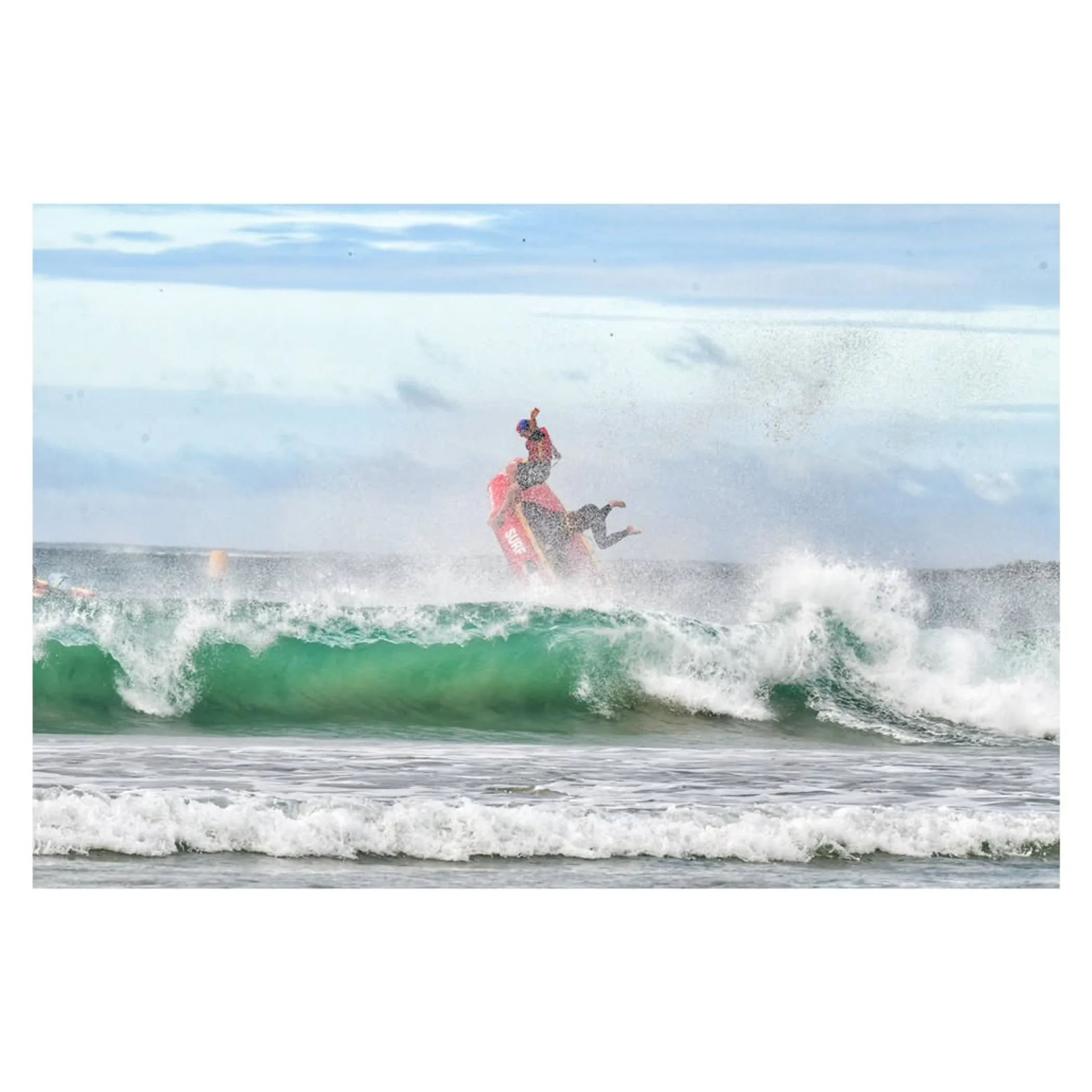
They are the principal hazard on a Victorian surf beach. A rip will have a competent swimmer put some distance from shore in short order and it is panic that makes it perilous.
We have to be blunt with our swimming tips Victoria: if you cannot tell a surf hazard from anything else, unpatrolled beaches are not for you.
How To Spot A Rip
It is easy to be taken in. You may see a darker, calmer looking space between the breaking waves, perhaps with less white water, some choppiness, foam making its way to sea or sand coloured water running out. That is a rip.
The error most make is to go for the “calm patch”. On a surf beach that is likely the part heading out to sea. Lifesavers pick the flagged area to get away from such things but the day is not done changing.
What To Do In One
Do not try to run a current head on. The safety advice is plain: put in an arm and call for help while you float. If you are able, swim parallel to shore and once clear of the rip angle back in with the waves.
If you are not up to swimming out, just float. Float and signal for help is what you are told. It seems too easy but it is important. Cold water will sap you in a hurry if you let panic take over.
Choose Safer Swim Spots
A Victorian beach is not one size fits all. There are ones for the family, some for those who can handle the ocean and some better suited to a walk.
For a dip of the more relaxed sort, resist the urge to follow what is popular on social media. The photos will not tell you of side currents, a steep drop-off, how hard it is to park or the trek back up hill with damp children and an esky with a broken wheel.
Patrolled And Unpatrolled
| Beach Type | Best For | Main Risks | What To Check |
| Patrolled Bay Beach | Families, visitors and casual swimmers | Deep patches, boat activity, water quality post-rain | Patrol times, local signage, any nearby drains |
| Patrolled Surf Beach | Those confident to remain in the flags | Sweep, rips, the cold and bigger waves | Flag location, surf conditions, wind |
| Unpatrolled Bay Beach | Adults with experience and due caution | Nothing in the way of rescue, hazards you cannot see | Access, weather, depth changes, companions |
| Unpatrolled Surf Beach | Ocean users of experience | Isolation, high rip risk and slow response | Avoid if unsure; reassess alternatives |
Melbourne bay beaches and other coastal haunts of a family nature are the wiser choice for many. A surf beach is fine until you have a nervous swimmer or a small child and they have not been in moving water.
When you are in the Phillip Island area with its pristine beaches, do not confuse the scenery with a safety rating. Wind and swell will make conditions differ from one beach to the next, so pick the one that is safe for the day, not the one that looks good in a picture.
Think Twice After Rain
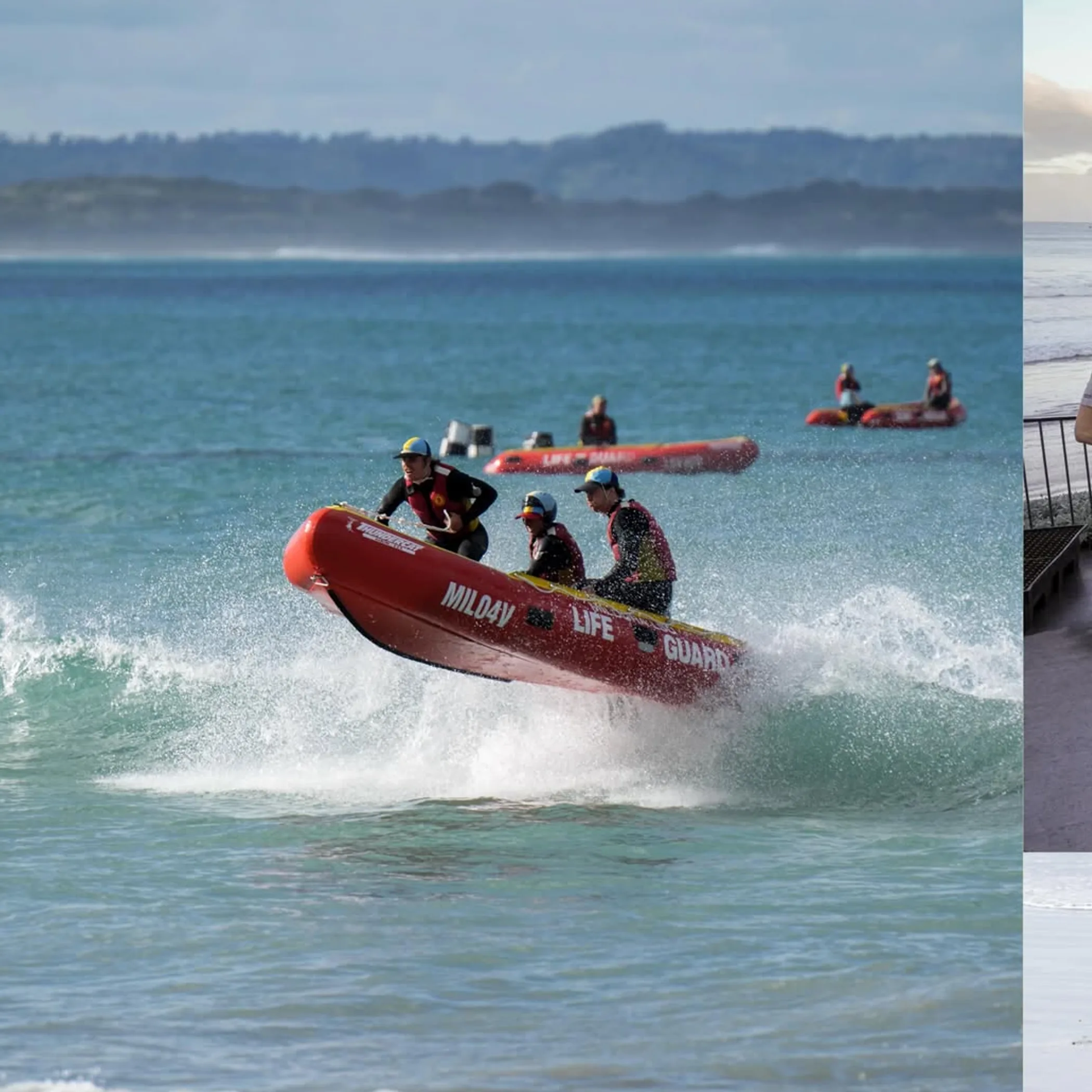
It does not get the attention it should, swimming after rain Victoria. The drains and rivers will have put their share of litter, bacteria and pollutants in the coastal water and you would not know it.
Travellers are prone to underestimating this, for the beach may present a picture of spotless cleanliness and the water appear clear enough. Yet there can be contamination from stormwater runoff in what looks like good water.
Water Quality
There is substance to the warnings put out by EPA Victoria. A heavy rain will see urban runoff raise bacterial counts. Open areas with a strong flush are less of an issue than beaches in the vicinity of river mouths, estuaries or stormwater outlets.
One should be circumspect if one has open cuts or a compromised immune system, or is in the company of children who consider it sport to put some seawater down their throat. And when local advice says do not swim, heeding it and making another day of it is the sensible course.
Reality and Expectation
“An overnight shower means it will be all right for lunch,” one might think. In reality the water quality can be poor for all sorts of reasons: tide, drainage, catchment runoff and the like. Do not put your trust in guesswork, consult the local advice.
Marine Hazards
The waves are not the only source of trouble on a beach. Victoria is home to stingers, rocks you can put a foot wrong on, sharp shells, weed encroaching on the steps, submerged timber and here and there a fishing hook. I have been witness to a beach day go awry over fears of sharks while walking barefoot across rock shelves and bottle caps; it is the commonplace hazards that do most of the damage.
Stings
Jellyfish Victoria make an appearance in Victoria, how bad they are a matter of season and species. Should you get stung, get out of the water and, provided it is safe, take off any tentacles before you look into first aid. Healthdirect is a sound option if symptoms are more than mild pain. But if there is chest pain, difficulty breathing or a collapse, call emergency services. A sting is not normally a drama but it can be; there is no point in being a hero over medical symptoms.
Physical Risks
Diving in without knowing the depth, or encountering a sudden hole or a slippery groyne, are the sort of problems one comes by. Murky water is more of a concealer than you would like to believe. Piers and rock platforms are inviting but algae and uneven ground under a wave surge will render them treacherous in short order.
Children
To supervise children at the beach requires active attention. It is not a case of having an eye on the water as you are rummaging in a bag for sunscreen or arbitrating over sandwiches. With all the noise and distraction, and the speed with which children will move, Anna Marlowe has a simple rule: if they are in or about the water the adult needs to be within easy reach. Not just in the neighbourhood.
For Whom This Guide Is
Families, the weak of swim, international students new to our coastal ways and tourists who do not know Australian beaches well will find this of use. The likes of Study Melbourne and the Life Saving Victoria and the Royal Life Saving Society Australia have made much of the risk that comes with not being versed in the surf.
Unpatrolled spots are to be shunned by beginners, those under the influence of alcohol, anyone whose mobility is hampered on rough tracks or who lacks confidence in open water. There are some beaches where a beginner has no place.
Make Your Preparations
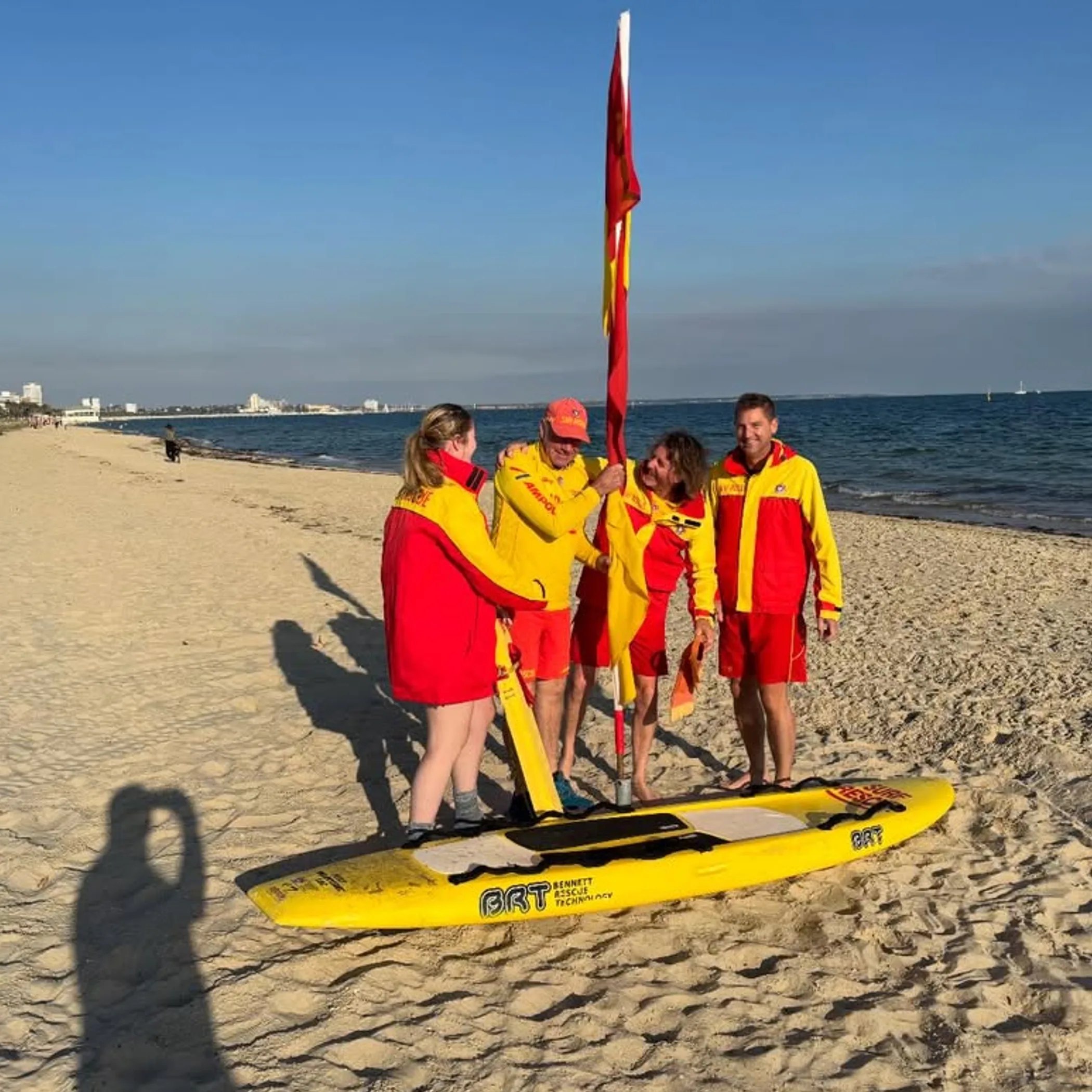
It is easier to make the right call with a good setup: the gear, shade, some water and first aid supplies, and an exit plan. Practicalities are often overlooked. A dead phone, a broken shade tent or the long walk back to the car and people will put up with poor conditions because it is too much of an effort to leave.
Tools and Costs of Note
- Before leaving: check Beachsafe, local council updates, patrol times, weather, and any notices from Parks Victoria or the City of Port Phillip for local access issues.
- Pack: water, sun protection, warm layers, basic first aid, charged phone, snacks, and footwear for hot sand or rocks.
- Budget: many beaches are free, but expect possible parking fees, fuel costs, and higher food prices in peak holiday spots. A day trip from Melbourne can easily cost more than expected once parking, snacks, petrol and a last-minute servo stop are added.
If you are driving, secure your route home before reception drops. If using public transport, know your last service or return timing. If a beach access track is steep, sandy, or long, remember you will need to walk back carrying wet gear when everyone is tired and slightly feral.
One Day Plan
There is no need to be heroic with a sunset swim and three scenic detours when you have but a day; opt for the straightforward and safe. An over-ambitious hop along the coast is no match for a good beach with patrols, shade and facilities at hand. Families and those not confident in the water would do well to put an accessible patrolled beach ahead of some remote beauty. Let the longer coastal strolls be for a look and a bakery, not for swimming.
Where to Focus
Take this from the guide: verify conditions, stick to patrolled water and the flags. It is a combination that will save you from a great deal of trouble. If in doubt, forgo the swim; there is no prize for going in because you have the bathers packed.
In short
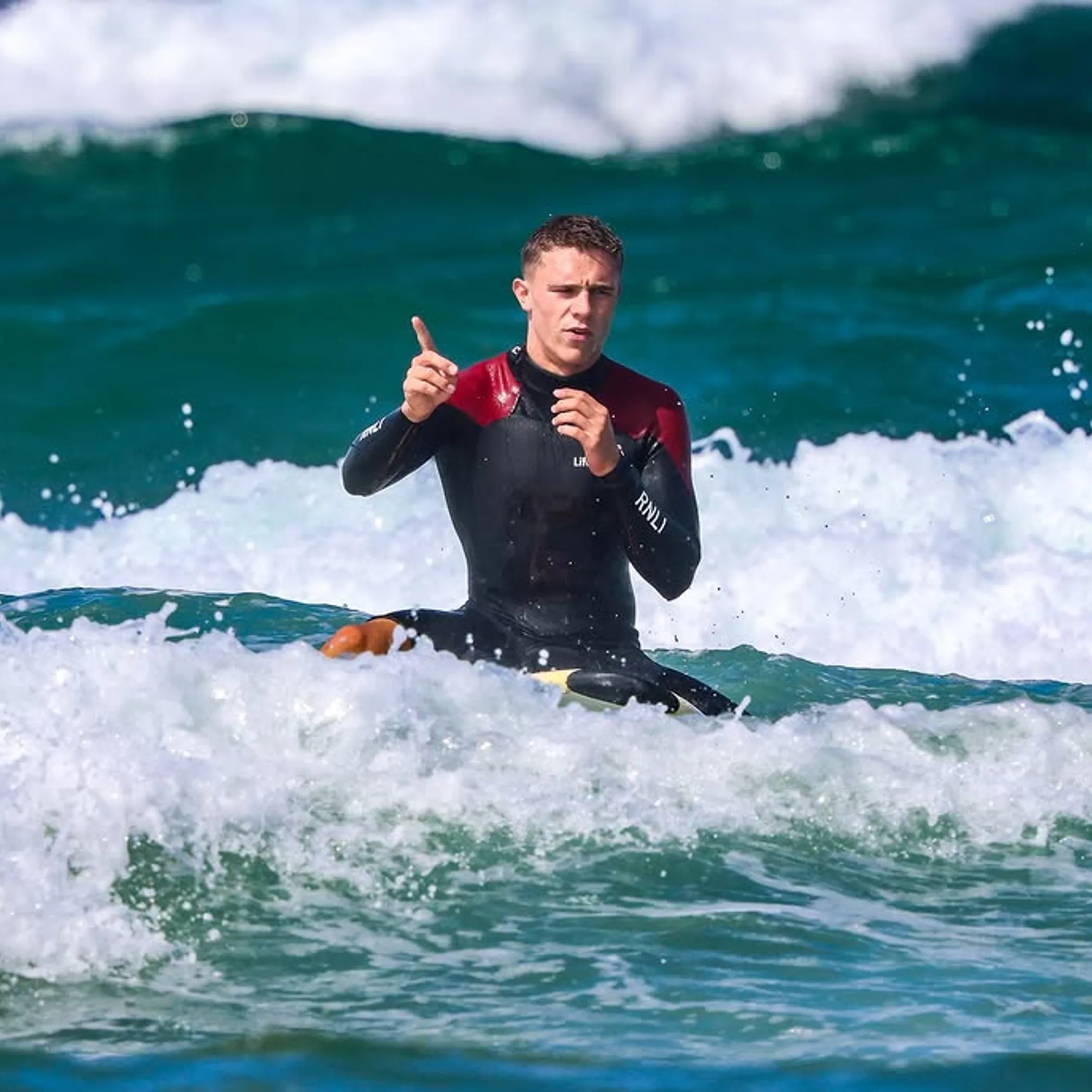
Victoria’s best advice on safety is simple. Go to a patrolled beach, heed the signs and the flags, do not take chances after a rain. Some caution is what makes a beach day worth having, it does not spoil it. At least in my book, Anna Marlowe’s. I am practical and have a healthy scepticism of the type who will say “She’ll be right” as they put a coffee down and wade into surf they do not know with a toddler in tow.
FAQ
10 Important Beach Safety Tips
Pick a patrolled beach and the red and yellow flags to swim between. Have a buddy, read the signage, keep a close eye on the children and eschew alcohol. Know your limits and steer clear of rocks and stormwater outlets. After rain give the water quality and weather a once over. Should trouble come, float and make yourself known.
10 Swimming Safety Tips
Do not be alone in the water or push past fatigue. For the uninitiated, rough or unpatrolled water is to be avoided. Warm up in cold water, follow the lifeguard and do not dive where you cannot see the bottom. Keep the kids within arm’s length and get out if things turn. Learn something of rip current safety.
Flags
The red and yellow ones. In Australia the lifesavers or lifeguards will have designated the area between them as the safest for the time being.
Swimming in Victoria?
You can at many of the beaches here, though safety is not a given every day. Weather, wind, swell and the like dictate the conditions so check the advice.
After the rain?
Not always, especially on urban beaches or near river mouths and creeks where stormwater has run off. The EPA Victoria and local warnings will tell you if the water is any good.