There is a straightforward fact to any Tattoo Aftercare Guide Australia: how you handle a new piece in its first few days is as important as the work put in by the artist. Proper aftercare will see off irritation, guard against infection and allow for a neater heal; it is the only way to ensure your ink does not end up patchy or rough as guts but instead settles in evenly.
You want the unvarnished version? Do as your artist says. Wash with lukewarm water and soap without fragrance, put on a light balm or moisturiser of the right sort and do so sparingly. Put soaking and sun exposure out of the question and be on the lookout for signs of an infection, do not just write off redness as normal. In this country one has to take a more local view of things than the generic advice from overseas; heat and UV and the like at the beach are where many get caught out.
I am Anna Marlowe. After years of educating clients I have found that people do not make errors through carelessness. A mate will tell them to let it dry, another to put ointment on it and then the internet has had ten words before breakfast. This guide is meant to be current and practical, with some local product pointers and to put right the common misconceptions.
Healing Properly
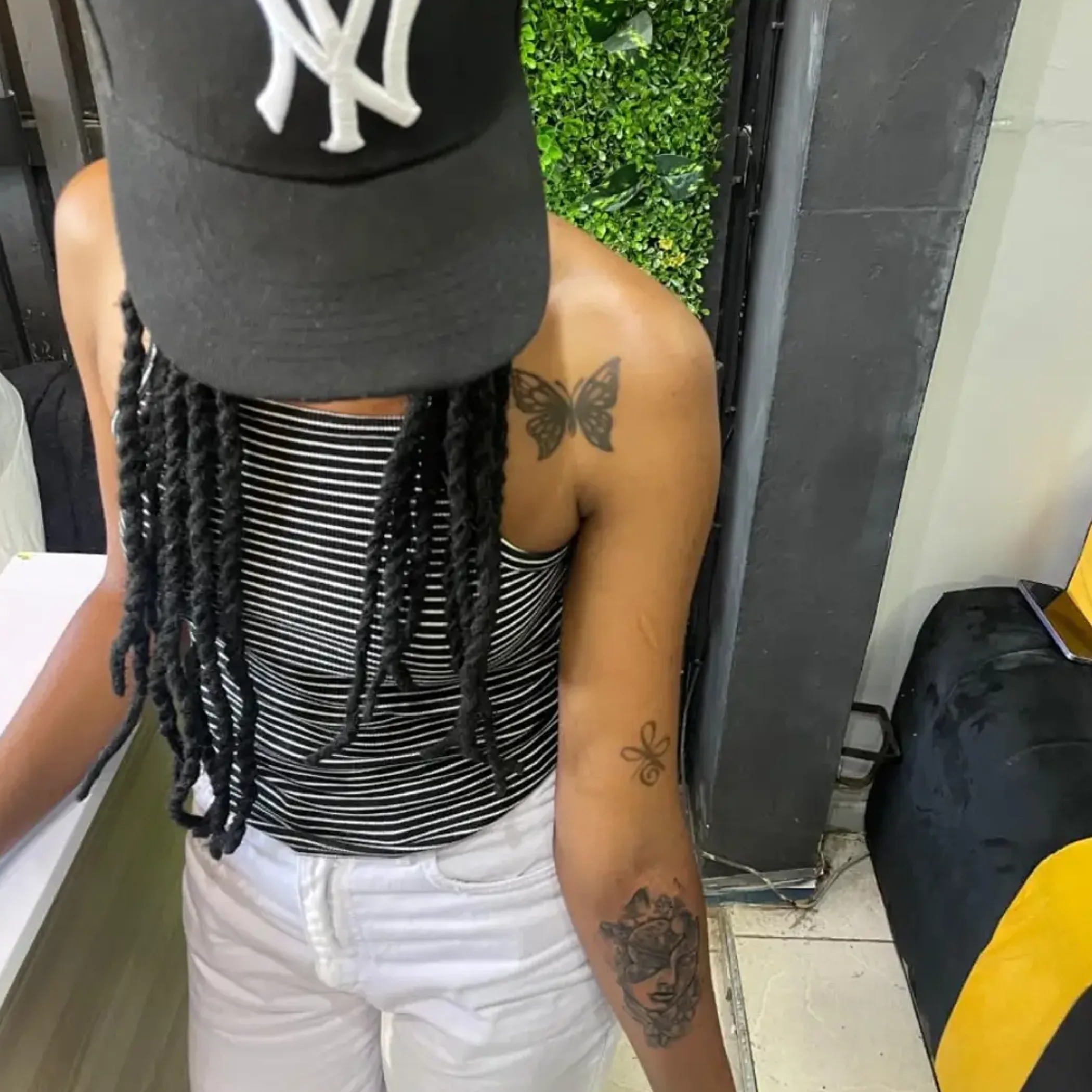
Think of a fresh tattoo as a controlled wound to the skin, not merely some art. So aftercare is in effect wound care with an eye to aesthetics. You are not to coddle it for ever, nor to drown it or have it cooked by the sun under the guise of a tight synthetic shirt. As I would say, a fine tattoo can stand up to life but you should not put a fresh one through its paces on the beach for character. The climate here is hot and sweat-friendly enough that SPF and timing are of greater consequence than most would think.
The Usual Errors
It is nothing complicated. Over-washing, over-moisturising, picking at the scabs or being back at the pool and gym ahead of time. Then there is the notion that because a product is in the skincare aisle it is suited to new ink. That is not the case. Authoritative medical advice on minor wounds consistently supports hand hygiene, gentle cleaning and watching for signs of infection. For Australian public health guidance on wound care and when to seek help, refer to the Healthdirect wound care information.
In The Studio
What transpires in the opening hours will set the pace for the rest of the healing, and spare you some trouble down the track if you are in Melbourne tram heat or have a long drive home with the seatbelt chafing in all the wrong places.
Your artist will have put either a medical adhesive film, FlexiSkin type, or a standard bandage / cling film on you. They are not the same, so you need to know what is on your skin before you go striding out the door. Make sure to ask four things: when the covering comes off, what to use for washing and applying afterwards and which symptoms warrant a call to us or a doctor. Do not just be polite and put it out of your mind. Ask what might be an issue given the size and colour density of your tattoo.
- Wash your hands first.
- Let the initial covering be for as long as is advised.
- See what is in your aftercare pack and how often to put each to use.
- And on day one put a photo on file to have something to measure any aberrations against.
Cling Film or Second Skin
Unless the artist has other ideas, cling film is for the journey home and not to be left on indefinitely. A medical film may last longer provided it is sealed and not filling up with fluid. But in the heat leakage and lifting edges are a problem, and once the seal is gone the film is of little use. When in any doubt, put down the bathroom mirror and forgo a creative interpretation; ring your artist instead.
First Two Days Done Right
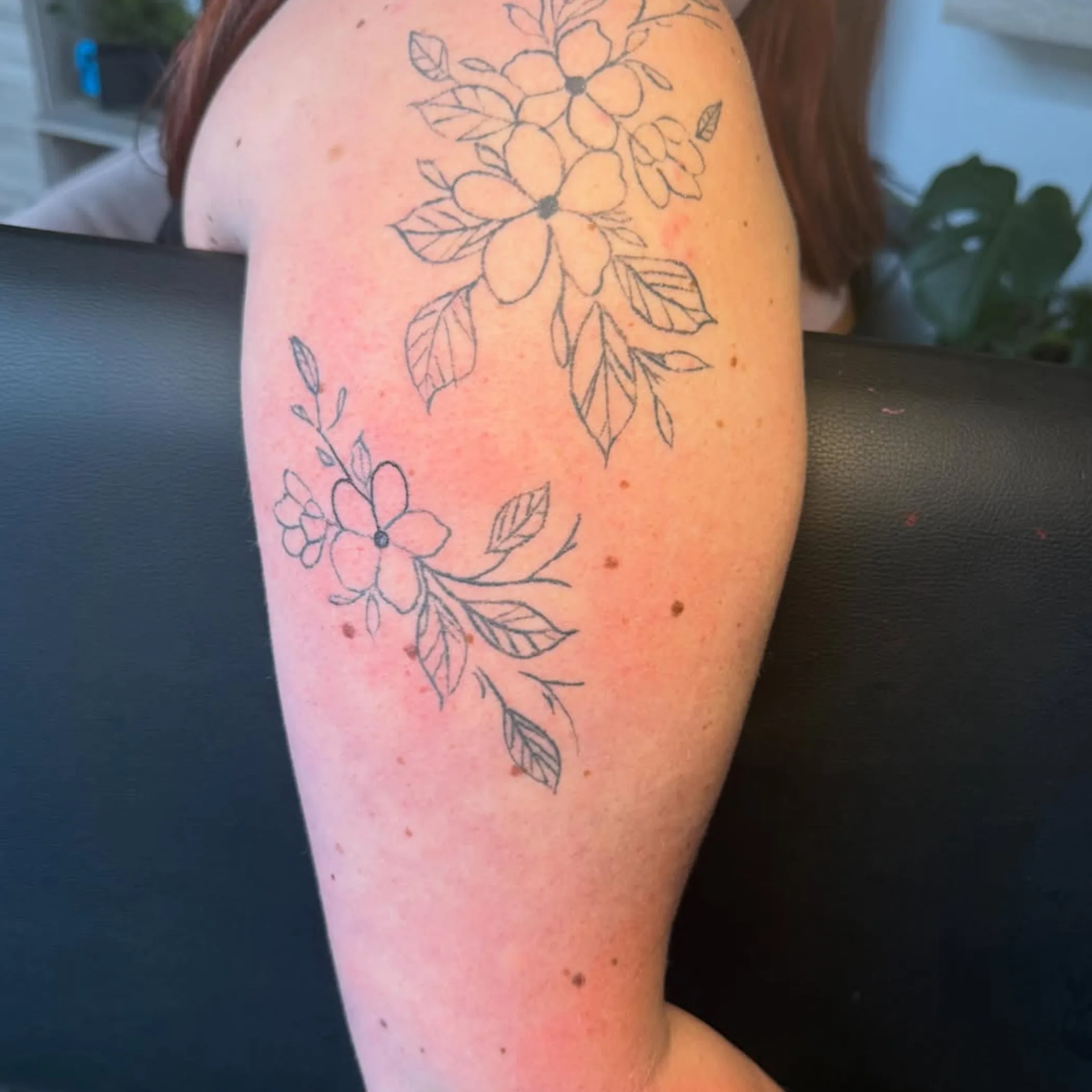
In the first 48 hours of aftercare things can be a bit of a mess. You will have some plasma and excess ink to contend with, not to mention warmth and tenderness and the sense your skin is at odds with you. It is all perfectly normal, but it is also when one has to be most fastidious about hygiene.
Anna Marlowe would put it in practical terms: a light touch, nothing more. Clean and gentle. No soaking or scrubbing, and don’t put on a thick slick of cream as though you were icing a cake.
Day One
After the artist has given the go ahead to remove the initial wrap, make sure your hands are washed. Give the tattoo a gentle rinse with lukewarm water and soap that is free of fragrance. A clean paper towel to pat it dry will do, or just let it be. Leave the bath towel for another time, particularly if it has been in the bathroom amassing lint and who knows what else.
Should the artist say to start right away, put on a fine layer of balm or a light moisturiser of the kind he or she puts forward. If it is glossy and greasy you have gone too far.
Day Two
Follow your artist’s lead and clean and moisturise two or three times over the course of the day as the tattoo dries out or weeps. Put on something loose and breathable, and fresh sheets if you are prone to sleeping hot. To pet owners (I speak from experience with an elderly cat of mine named Pickle) I would say keep the fur at arm’s length from a healing tattoo; adorable as it is, it is not sterile.
There is only a day to plan for an event? Then see to it the tattoo is shielded from the sun and sweat and friction. Fresh ink is indifferent to your social calendar, so if the timing is not right, put off the hard hike or the beach or whatever festival is going to be as crowded as sardines.
Week By Week Healing
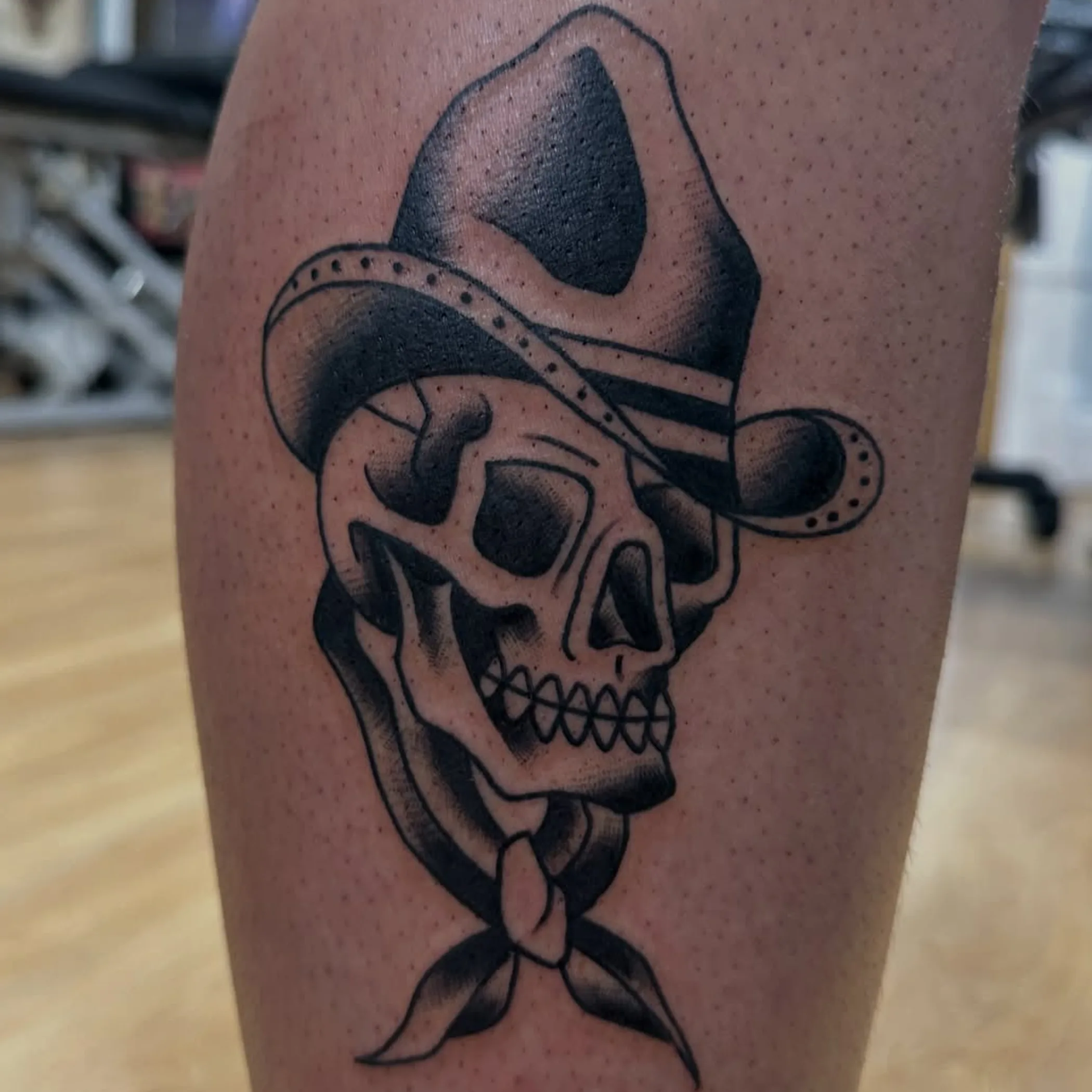
Over the first eight weeks there is a pattern to most tattoos even if the timeline is not the same for all. The weather, the colour saturation, size and location of the piece, your own skin and how you care for it will all factor in.
The discrepancy between expectation and reality is that one might consider the tattoo “healed” once it ceases to look angry and shiny. That is merely surface healing. Deeper repair is a slower process and early swimming or sun can still be an issue.
A Case of Week One
Comfort-wise these are the worst days. The skin is tight and itchy and you may be under the impression all is not well. In point of fact it is usually fine and some peeling is to be expected. What is not is fever, pus, mounting pain or a spreading redness.
You will hear the same sort of thing from the likes of Black Market Tattoo Co, Lighthouse Tattoo, Authentink and Paper Moon Tattoo Collective: don’t pick, don’t be heavy handed with the products, keep it clean. Boring advice, but then it tends to be the useful kind.
Weeks Two To Four
People are tempted to fiddle with the scabbing and peeling at this stage. Resist the urge. You risk patchy spots and unsettled ink that will require a touch-up by prying them off. The tattoo can take on a cloudy aspect for a while, not necessarily a sign of anything amiss.
Those who have done their homework on tattoo styles before putting in an order will know that fine-line work or dense blackwork and colour packing have a different way of looking as they heal. The principles of care do not change much, but with heavy saturation one has to be patient.
Weeks Five To Eight
For the most part the tattoo appears to have settled on the surface and people become casual about it. Don’t. The skin is no less vulnerable and in Australia direct UV is not to be trifled with. An SPF will go some way to stave off fading once the piece is properly healed.
Large works, the ribcage or a joint, will take their time; with all the movement and friction involved, you can expect realistic timing to be protracted. Is it for the novice? In my experience, first-timers are most apt to have trouble with hands and feet, or wherever a waistband or strap is going to rub.
Selecting the Right Products
Do not be fooled by an edgy tube of packaging when it comes to what is available in Australia for tattoo aftercare. What one needs is a no-nonsense product that is gentle on skin in a compromised state, free of fragrance and other irritants, and can be put on in a thin layer. There is no one size fits all since artists have their own way of doing things, but the category of product is more important than any hype. A mild cleanser and some unassuming moisturising support are in order, and down the track a good sunscreen.
In Australia you will find people opting for a balm made for the purpose, a basic moisturiser and soap without the scent. The likes of Cetaphil or an unscented Dr. Bronner’s come up in conversation, as do FlexiSkin film dressings and balms from Mad Rabbit or those put forward by local outlets like Victims of Ink and Aussie Inked. Numbastay is more of a prep topic, but make sure a product is intended for open or healing skin before you put it on post-tattoo.
A word on cleansers: boring is fine, in fact it is a good thing. Stick to a soap with no fragrance and you are on safe ground. With your moisturiser, a thin application is enough; the skin should be at ease, not swampy.
Things to Steer Clear Of
Apply too much of a heavy petroleum type product and it can be overly occlusive. Hence the “Why not Bepanthen?” query. You will see it in older advice but these days many an artist in Australia will not put it forward as the automatic choice. It is too heavy for some, and overuse can trap moisture and clog the healing process, though not everyone has an issue with it.
As for active skincare, retinol, exfoliating acids, essential oils or a spot of fake tan, a new tattoo does not want for them. If in doubt over an aftercare cream, let your artist have the final say.
Then there is the Australian way of things. Aftercare written for a cool winter indoors does not translate well to a summer day on a train platform or a weekend by the coast in long sleeves while others are in swimmers. Friction, salt, chlorine and sweat are the usual culprits. Do not be tempted by the water; the rule against swimming or soaking is not up for debate.
Sun, Water And Sweat
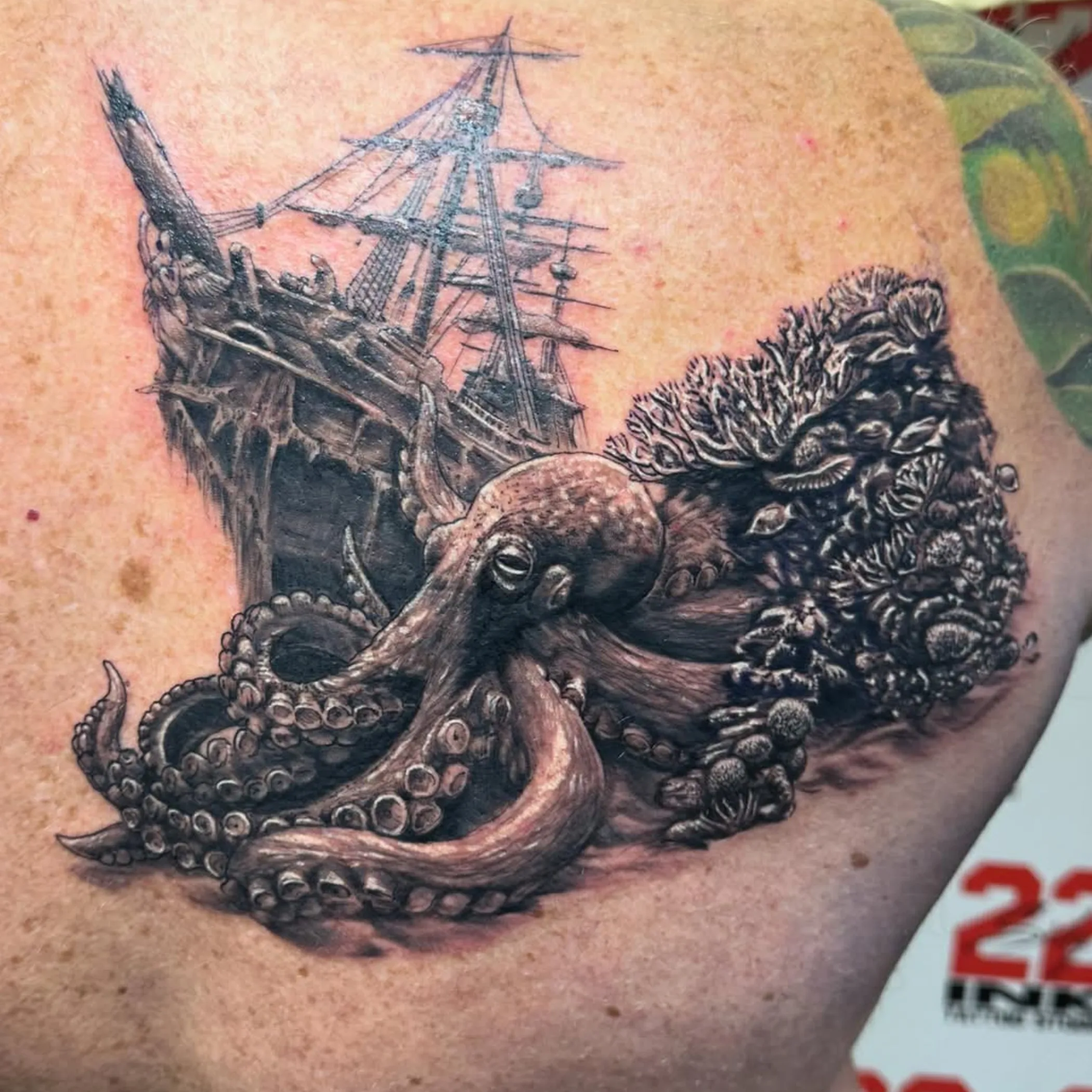
Australia has high UV conditions, and fresh tattoos should be kept out of direct sun. Do not apply tattoo aftercare sunscreen until the tattoo is fully healed and your artist says it is appropriate. Before then, cover the area with loose clothing and seek shade.
Avoid oceans, pools, spas, baths and long soaking showers during early healing. If you train hard, cycle long distances, or work outdoors, plan your tattoo timing better than most people do. Sweat plus friction under gym gear, sports tape or hi-vis uniforms can turn a smooth heal into a grumpy one.
Clothing And Everyday Logistics
Loose cotton is usually easier than tight synthetics. Think about backpacks, bra straps, waistbands, work boots and seatbelts. A calf tattoo sounds straightforward until you realise your work socks sit right on it all day. A shoulder piece sounds easy until summer sweat and handbag straps join forces.
Rough cost expectations in Australia vary, but a sensible aftercare pack from a studio, pharmacy or online retailer is often cheaper than needing a preventable touch-up later. Budget roughly AUD 15–40 for basics depending on whether you need cleanser, balm, dressings and sunscreen after healing.
You will have some discomfort and that is to be expected. But there is a difference between normal healing and a case for a doctor. As Anna Marlowe would put it in plain terms: if it is not getting calmer but worse, do not assume it will right itself.
Normal Healing Signs
Mild redness at the edges, itch, flaking, tenderness or a dull look are part of the course. Bruising is possible depending on how the skin was treated and where the tattoo is.
Warning Signs To Act On
Act if you notice signs of infection: redness spreading out from the tattoo, swelling that has set in after a couple of days, excessive heat, a fever, red streaks, or any yellow/green discharge with an odour to it. An allergic response can manifest as hives, an all over rash, swelling that will not go down or intense itching. Should any of this show up, put in a call to your GP or an urgent care service without delay. Leave the forum advice and your friend’s cousin with his “heaps of tattoos” out of it; fine for the pub but when it comes to infection you want better counsel.
Special Situations To Plan For
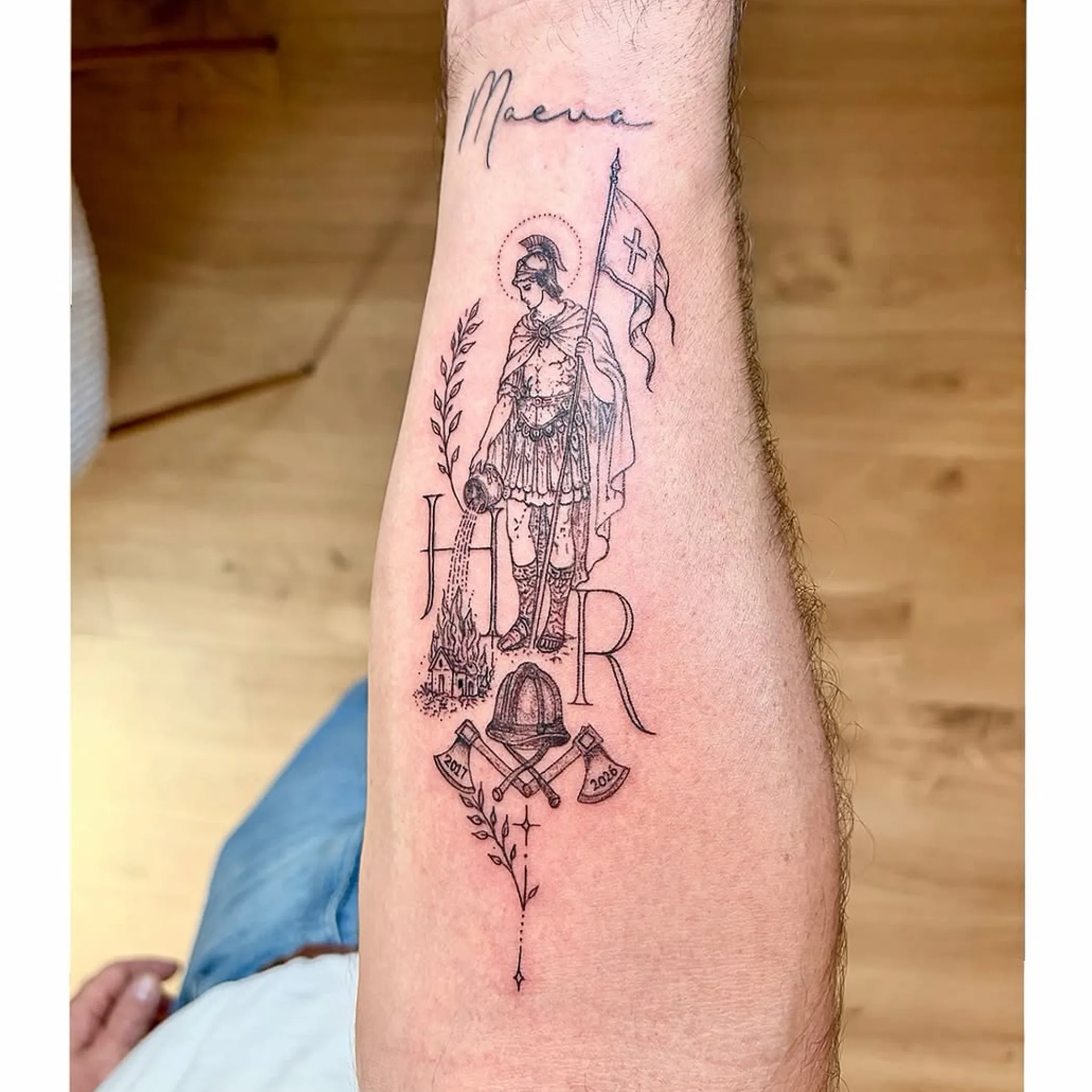
There is no one way a tattoo will heal. You have to make allowances for the oddities of sensitive skin, colour work, large pieces or even a small touch-up. The fundamentals are the same but one has to be more flexible in what is expected. A good artist at the studio will have the experience to tell you what to expect: he will know which spots are prone to swelling, what colours remain tender, and who is apt to over-moisturise from nerves or have a reaction to adhesives.
Touch-Ups And Large Pieces
A touch-up might put in less time to heal yet still requires you to look after it. With a large piece you are dealing with more oozing, something harder to keep clean without fussing over it and that is more likely to get caught on your clothes. Be realistic about your schedule. If there is a camping trip coming up, perhaps forgo the back piece until after.
Colour, Sensitive Skin And Adhesives
Where there has been heavy packing, colour can be a source of irritation for longer. Fragranced products or adhesive films are not for sensitive skin. In the event that a second-skin type covering produces a rash in the shape of the adhesive, blisters at the edge or itch in areas other than the tattoo, take it off as you should and speak to your artist.
Having the style of tattoo put to you before booking can set the right expectations too. What you see in a fine line or realism piece will be different once it is done peeling and settling, as with traditional or saturated colour.
Aftercare In Australia
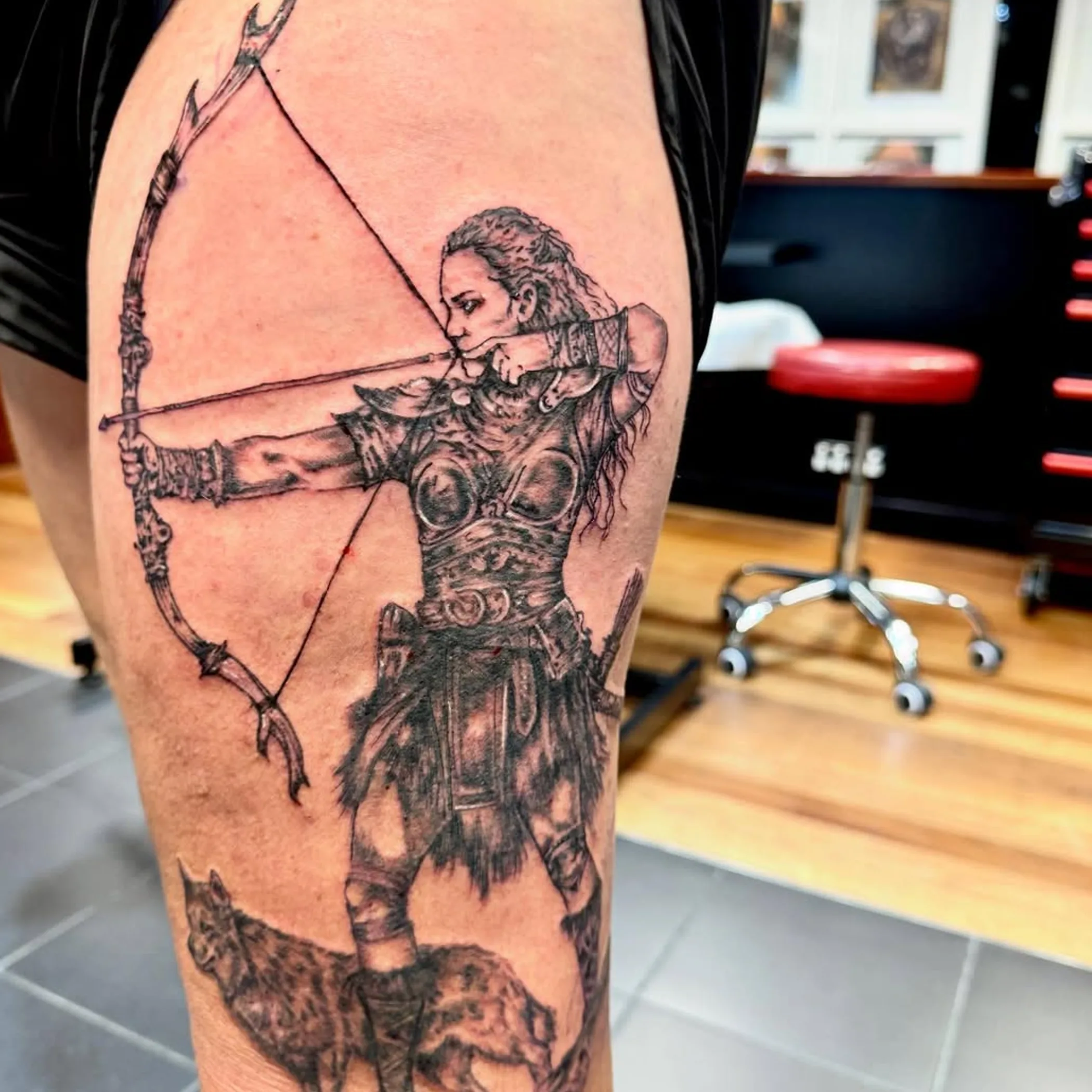
It is easy to see why people are on the internet looking for the best tattoo aftercare in Australia or a cream they can find at chemist warehouse. When your arm is wrapped and the stores are closing you do not want to go on a scavenger hunt. The easiest thing is to purchase from the studio if they have something they put their name to. Otherwise any of the bigger chemists or Australian pharmacies will have a gentle cleanser or moisturiser, and there are balm and dressing options from online retailers.
- Have your artist put you right on what suits your skin and where the tattoo is.
- Look in at the pharmacy for a light moisturiser and soap without fragrance.
- Or go to an online supplier for a healing film or a pack of aftercare.
- And once the tattoo is healed, put on some broad-spectrum sunscreen for the long term.
You will come across the likes of Bepanthen, Cetaphil, Dr. Bronner’s, FlexiSkin, Mad Rabbit, Lighthouse Tattoo, Paper Moon Tattoo Collective, Black Market Tattoo Co, Aussie Inked, Victims of Ink and Authentink in reviews and retail searches. Some of these are studios or just a source of info, not sellers, and stock levels are not static so go by what your artist says rather than the latest trend.
Common Questions Answered
Confidence has a way of plummeting once the peeling commences and questions start. Some are routine, others warrant action.
Why is Bepanthen not used on tattoos?
It is too occlusive and thick for a fresh tattoo in the view of many artists, particularly with those who put on an excess of it. The result is a sogginess to the healing process and trapped moisture. While some have no trouble with it, a lot of Australian studios these days would not count it as standard.
What are the worst days of the healing process?
Days 3 through 7 tend to be the most trying. There is a strong temptation to pick or scratch at the flaky, tight feeling of the tattoo. It can be more so with a large piece or one in a high-friction area.
What does standard aftercare entail?
You leave the covering on as told, give it a wash with lukewarm water and a fragrance-free soap, pat it dry and put on a thin layer of product. No swimming, sun or friction while it is mending. Your artist may have a slightly different way of doing things depending on the size of the job and the wrap.
Do they heal faster dry or moist?
In plain terms, neither bone dry nor wet is best. A lightly supported environment is preferable. Keep it clean and use a little aftercare balm or moisturiser for comfort but do not smother it.
When Should I Start Using Sunscreen On My Tattoo?
Let the tattoo heal to the surface and get your artist’s ok before you do anything. Then make a habit of putting on some broad-spectrum sunscreen; in Australia the UV will see to it that a tattoo fades if left unchecked. But with a fresh piece, better to keep it covered from the direct sun than to be slathering on sunscreen prematurely.
Final Word From Anna Marlowe
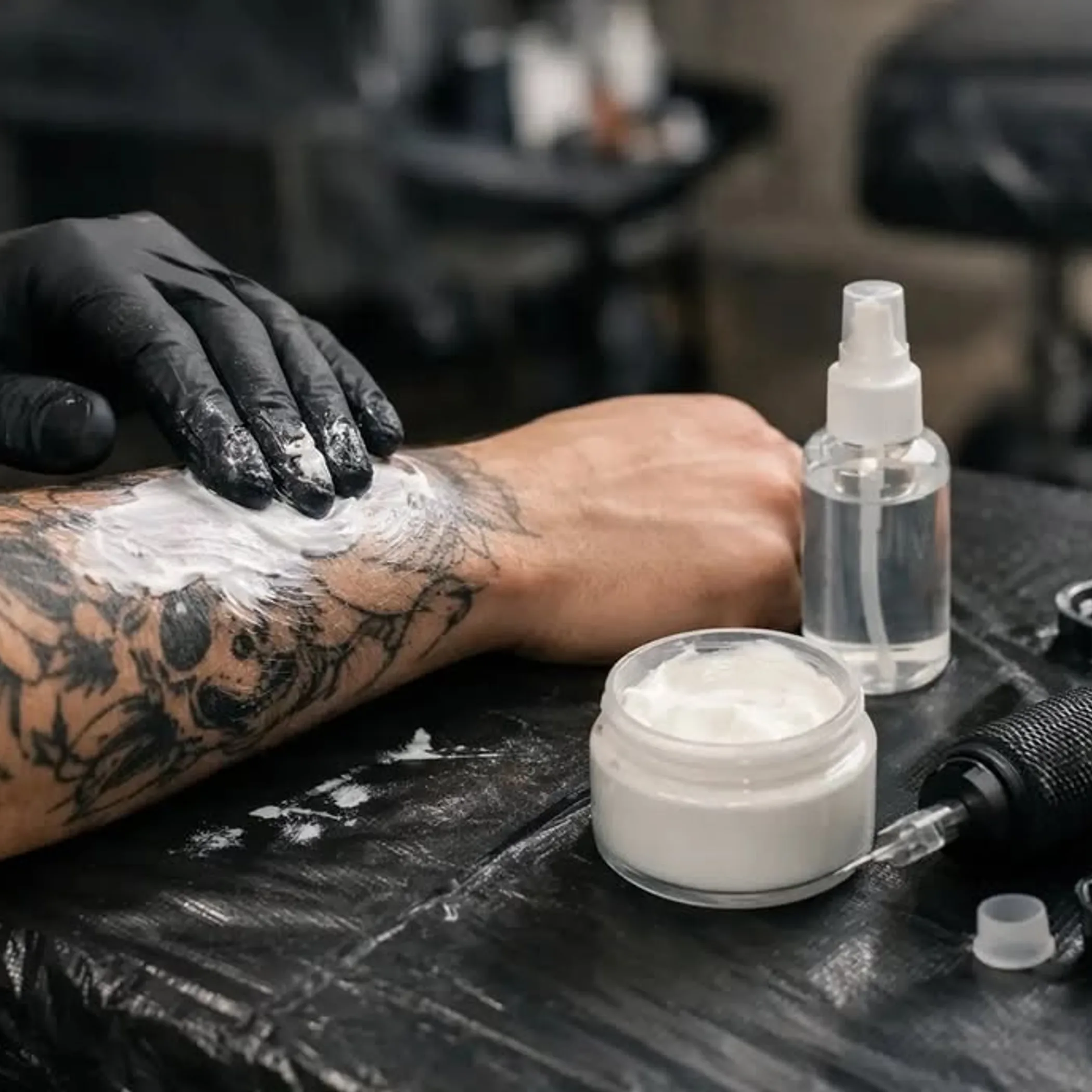
There is nothing complicated about good aftercare, only consistency. One should not mistake impatience for common sense. For the most part, trouble in healing is born of overconfidence, not bad luck. So keep things clean and the product light, stay away from soaking and the sun.
When a tattoo is new, leave the myths and any notions of testing beach water to one side. Heed the advice, be mindful of your skin and let the work have an opportunity to put down well. In the end, that is what it comes to.
More on this: tattoo styles explained.