When it comes to queries about how permanent makeup heals, they tend to be of a piece: is this normal or an irritation, and when should one be concerned? Put simply, you will find the outer signs of healing process have put in their time in 7 to 14 days for the majority of clients. But do not be surprised if colour stabilising and inner healing requires 4–8 weeks or more; the skin type, the area treated and your diligence with aftercare will dictate that.
I am Anna Marlowe. One has to have been on salon floors, in training rooms and on the receiving end of post-treatment panic texts to appreciate that the healing is where people are tripped up, not the procedure. It is true that new permanent makeup can seem rougher, bolder and darker than what you end up with. If you’re exploring different methods, you might want to see brow tattoo styles compared. That is no indication of something having gone awry, merely skin being skin.
The Meaning of Healing
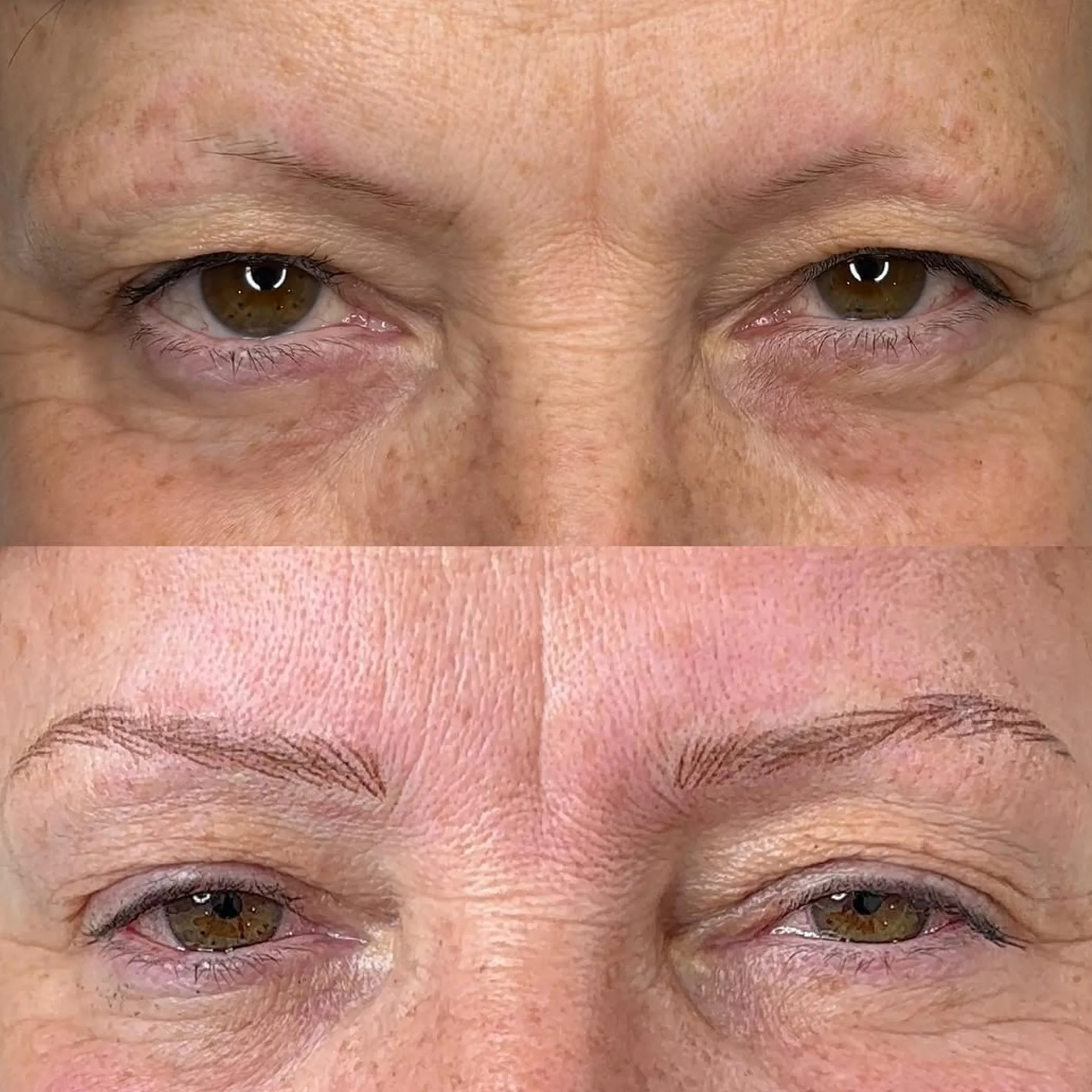
Do not think of the process as a straight line from the appointment to the finished article. There are some irksome loops to it: a darkening at first, then dryness, scabbing, patchiness and the ghosting phase before the colour comes back.
Clients are wont to make judgements too soon. In my experience in the clinic, those who fare best are not necessarily the ones with flawless skin but the ones who have an idea of the PMU timeline when they get off the bed.
Outer Versus Inner Repair
What you see is the outer healing: the redness, swelling, tightness and flaking, along with a brief spell of wondering if you have made an error. Underneath the skin barrier is rebuilding while the pigment and any inflammation settle, which is the slower inner work.
Hence the two answers to how long it takes to heal. You might have 1–2 weeks for the surface to recover. But for true retention and final colour, 4–8 weeks is a better measure, and the reason touch ups are not put in for next Tuesday in a hurry.
Expectations Week by Week
Vague reassurance is of little use; a timeline is. People want to know why day 10 is lighter than they thought, or if the flaking on day 6 is to be expected.
Below is a practical way to view it, though you would do well to put your technician’s word over it. Eyeliner, lips and brows will each have their own way of healing and habits like sweating, sun or skincare can alter the course.
| Time Period | What You May Notice | The Usual | Where People Go Wrong |
| Day 1–2 | Some tenderness, mild swelling and redness, initial darkening | Colour is 20–40% darker than anticipated; a little weeping is possible | Before healing is underway the result is deemed “too much” |
| Day 3–5 | Tightness and dryness, early flaking and scabbing | Surface pigment can appear uneven and itching may set in | An urge to pick, rub or put on too much ointment |
| Day 6–10 | Colour looks lighter, there is patchiness and flaking to be seen | Brows can look faded in the ghosting phase | The assumption is made that the pigment has all come out |
| Day 11–14 | Surface is calmer and most flakes have passed | Outer healing is for all intents and purposes done | Actives and hard workouts are resumed prematurely |
| Weeks 3–6 | Softness and definition improve as colour resurfaces | You will get a better read on the shape and retention | There can be a slight shift in the result before review |
| Weeks 6–8 | For most the result is now stable | Many cases call for an assessment and touch-up here | One can compare the healed work with photos of the fresh treatment |
These figures are what we expect clinically, not some Australian national dataset, as technique and body area will produce different outcomes in permanent makeup. Educators from AR Aesthetics to Skin Art Training and Advanced PMU will tell you that a softer, lighter look once healed is standard, not a con.
A Matter of Stages
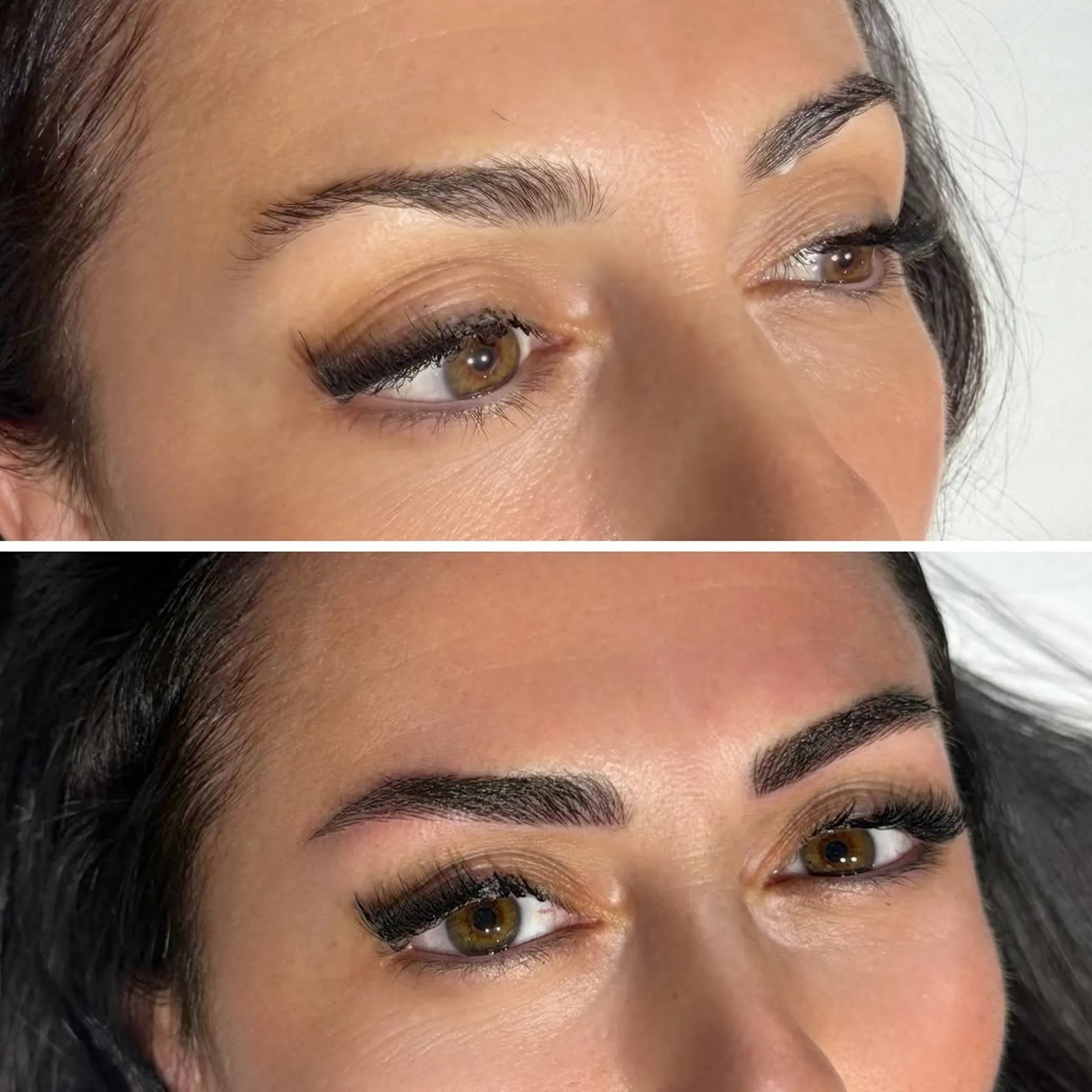
Having some knowledge of the stages spares you from making poor choices with your face. Trouble is usually self inflicted when a normal part of the process is taken for a failure and an attempt is made to put right at home.
My rule is straightforward: let it be dry, let it flake. Do not treat your skin as a DIY.
Initial Darkening
In its fresh state the pigment will have a flatter tone and be sharper and bolder. Part of it is the pigment in newly treated skin and part of it is the way inflammation will alter the colour. In any event, the first 48 hours tend to see the most pronounced darkening.
You may find your brows are blockier than you would like, lips put on a puffy, bright show or eyeliner looks on the thick side from swelling. It is a temporary state of affairs but not always reassuring when faced with a bathroom mirror and poor lighting.
Scabbing And Flaking
With permanent makeup the scabbing is more of a light, dry affair than something thick and crusted; expect a fine peel or some tiny flakes, not a wound that is rough as guts. Should there be heavy crusting it could be an indication of overworking, a lack of aftercare, irritation or even infection.
Then there is the matter of moisture which is where people err. An excess of ointment will soften things up and impede healing, making for uneven lifting of the pigment, yet too little is no better. Put some trust in your artist’s instructions as opposed to what your aunt did with her ankle tattoo back in 2009.
Ghosting Phase
This is the point at which clients can be excused for losing the plot. The colour may seem to have gone or be very patchy and pale once the flaking is done. Do not read into it as a failed treatment just yet.
The skin in its healing can put a temporary veil on the pigment. It has a way of coming back in time as the colour resurfaces in the weeks ahead. Patience is something Jo Bregazzi and Gigi Beauty PMU among others will tell you is de rigueur during review.
Colour Resurfacing
A quiet comeback if you like. As the inner healing takes hold and the surface dries out the pigment will present itself in a clearer, more even fashion. A fairer assessment of retention is possible now. You might notice some parts heal lighter, particularly with oily skin or if one has been using active skincare, had rosacea or sun exposure, or simply disregarded the counsel to stay off the water and sun. Plenty of Australians make that error in summer.
Brows, Lips And Eyeliner Differ
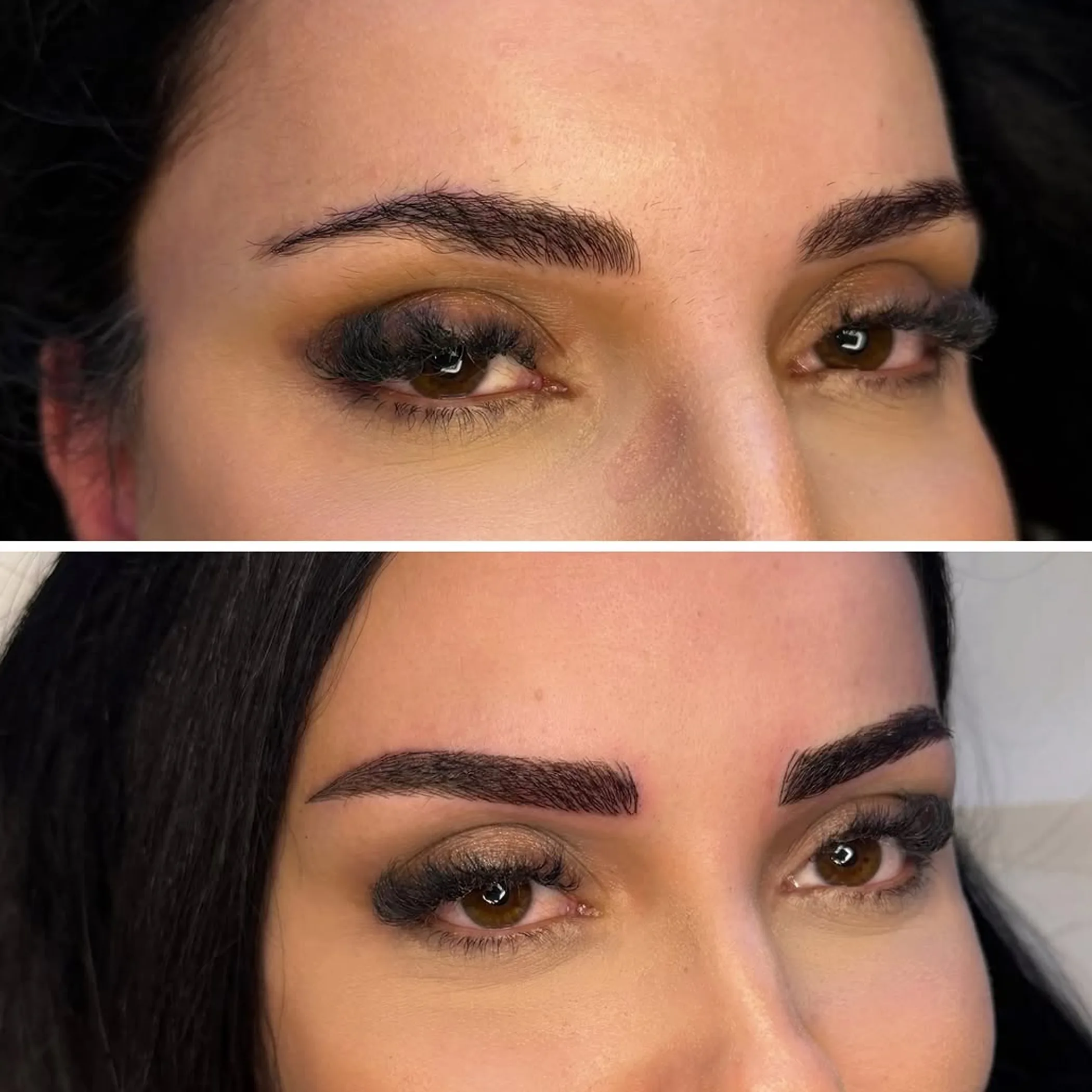
Do not think for a moment that an eyebrow tattoo and lip blushing will follow the same healing pattern, let alone an eyeliner; by day three such expectations will have you at a loss.
It is all down to the area: how much blood supply and movement there is, the thickness of the skin, moisture levels and how often it is put upon by tears, food, skincare or habit.
Eyebrow Recovery
After a day or two the brows should be more dry than sore. They will have cycled through their initial darkening and flaking to the ghosting phase and back. The mistake is to look at some compared images of brow tattoos online and suppose your fresh work ought to be as powdery and soft. It is seldom so. Wait until they are healed to judge them.
Lip Recovery
More swelling and a brighter hue are par for the course with lip blushing. Being vascular and mobile, the lips can be fussy for the first few days with hot drinks, spicy food and talking. The colour is apt to drop off after the peeling and come back in a milder form. For those with cold sores, heeding the treating clinician on antivirals before hand is a medical imperative, not merely a cosmetic one.
Eyelid Recovery
In the morning especially, the first 24 to 72 hours can be marked by redness and swelling of a kind that makes the eyes water and the line appear more dramatic than it will once healed. Those with contact lenses had best make plans. Rubbing the eyes, lash serums and mascara are sure to undo the healing process. There is no glamour in having crusty, tender eyes and it is hardly the week for a smoky eye.
What Side Effects Are Normal
One does not need to stress over the usual side effects provided one knows how long they last. Redness, a bit of itching and tenderness are to be expected in the opening days of permanent makeup.
Yet “normal” is not a free pass. There is a distinction between what is part of the healing and what warrants some attention.
Typical Short-Term Reactions
Redness and swelling will get worse before they get better in the first 24–48 hours, with lips and eyeliner being the worst offenders. Some itching is normal as the skin does its repairs but if rashes or hives accompany it, an allergy to the aftercare product or the pigment is a possibility. The TGA notes that tattoo inks and the procedure itself have risks, from skin infections to allergic reactions and other health effects; for the latest consumer health guidance on permanent make-up and tattoos refer to the Therapeutic Goods Administration.
Aftercare for Days 1-14
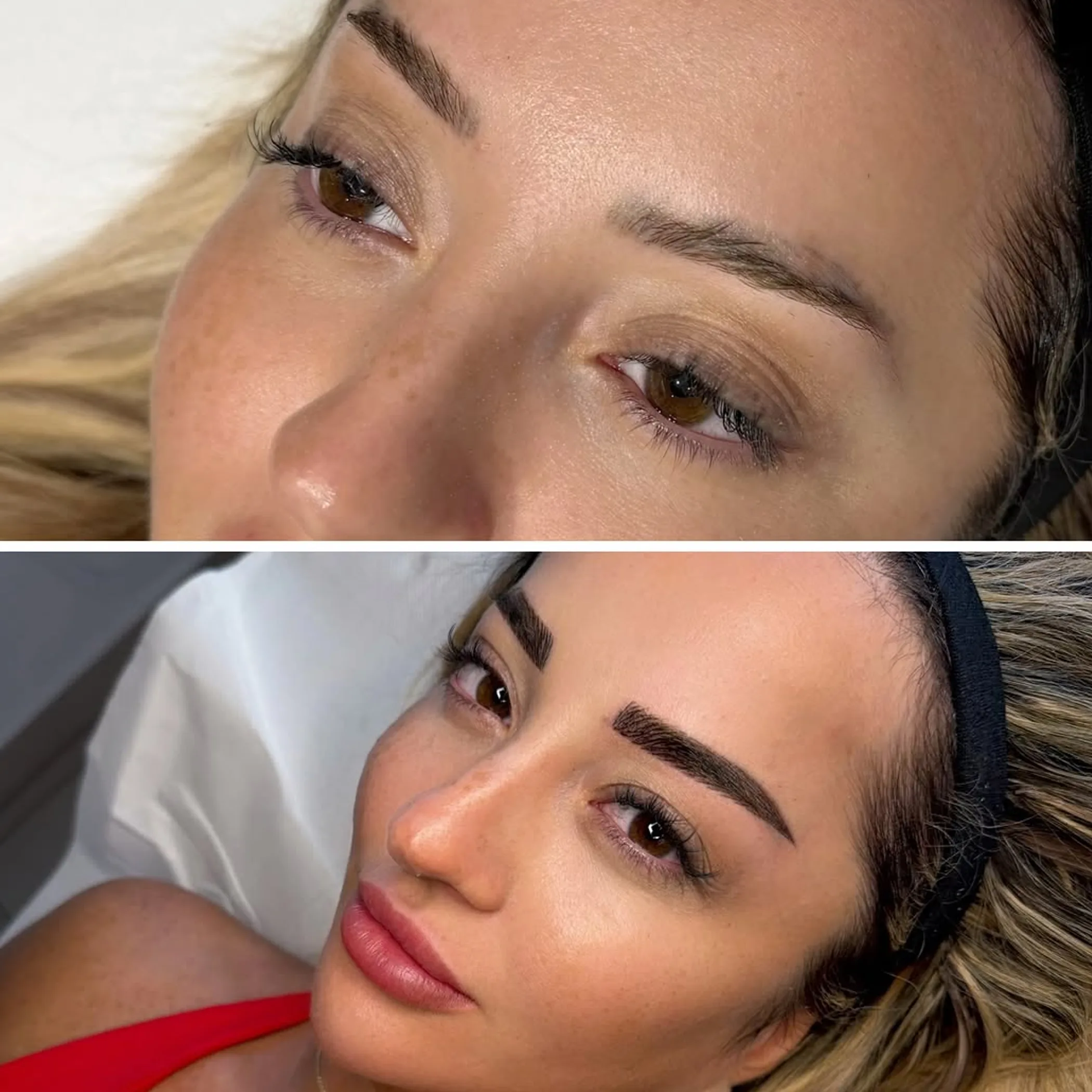
You can think of permanent makeup aftercare as the means by which good work is either safeguarded or undone. All the skill in the world will not stand up to a finger that is “just checking”, a weekend at the beach, a steamy shower or an overly ardent gym routine.
In the first fortnight discipline has to have it over optimism; what one refrains from is almost as important as the regimen itself.
- Adhere to your artist’s precise instructions for cleansing and leave the area spotless.
- A thin application of ointment is all that is called for if you are so advised, and only the kind put forward for aftercare.
- Do not let water or the sun on the treated part of your face. That goes for pools and saunas as well as protracted hot showers.
- Leave scabs alone, do not rub or pick at flakes.
- Hold off on any make-up until the technician gives the all clear.
- Nearby strong actives are to be eschewed, be they retinoids, exfoliating acids or severe acne treatments.
- In the early days try to limit heavy perspiration.
- Practice some common sense with hygiene, keep your hands clean and put fresh pillowcases on.
Then there is the matter of expectation. A lot of people equate “avoid water” with never having a drop on their face. In truth it is a case of no swimming or direct saturation or steam; gentle cleansing is still proper aftercare in most instances. Your provider will have a protocol, dry or wash-based, and that is what should be followed, not something read on a forum.
A sensible review of timing
If the first touch-up is required it is not because the procedure was a failure. With many PMU methods it is to be expected. Once healing is complete one will see uneven retention, soft spots and the like.
Artists will want to see you when the skin has done its outer and inner healing. To come in before then is akin to passing judgement on a cake while it is yet in the tin.
Booking a review
Permanent makeup reviews for a touch up are usually set for 6 to 8 weeks out, although a technician might put it off longer given the condition or sensitivity of the skin. Should there be any active dermatitis, signs of infection or irritation that lingers, let the skin get stable before making an appointment.
The artist will be looking at the shape and colour, how the pigment has held up and any irregularities. Firms such as Body and Brows by Ana, BeautyMinimalist, LongMakeup and Belle Sorelle Cosmetic Artistry would call it a refinement and not a rescue. One should view it in those terms.
When it is not normal
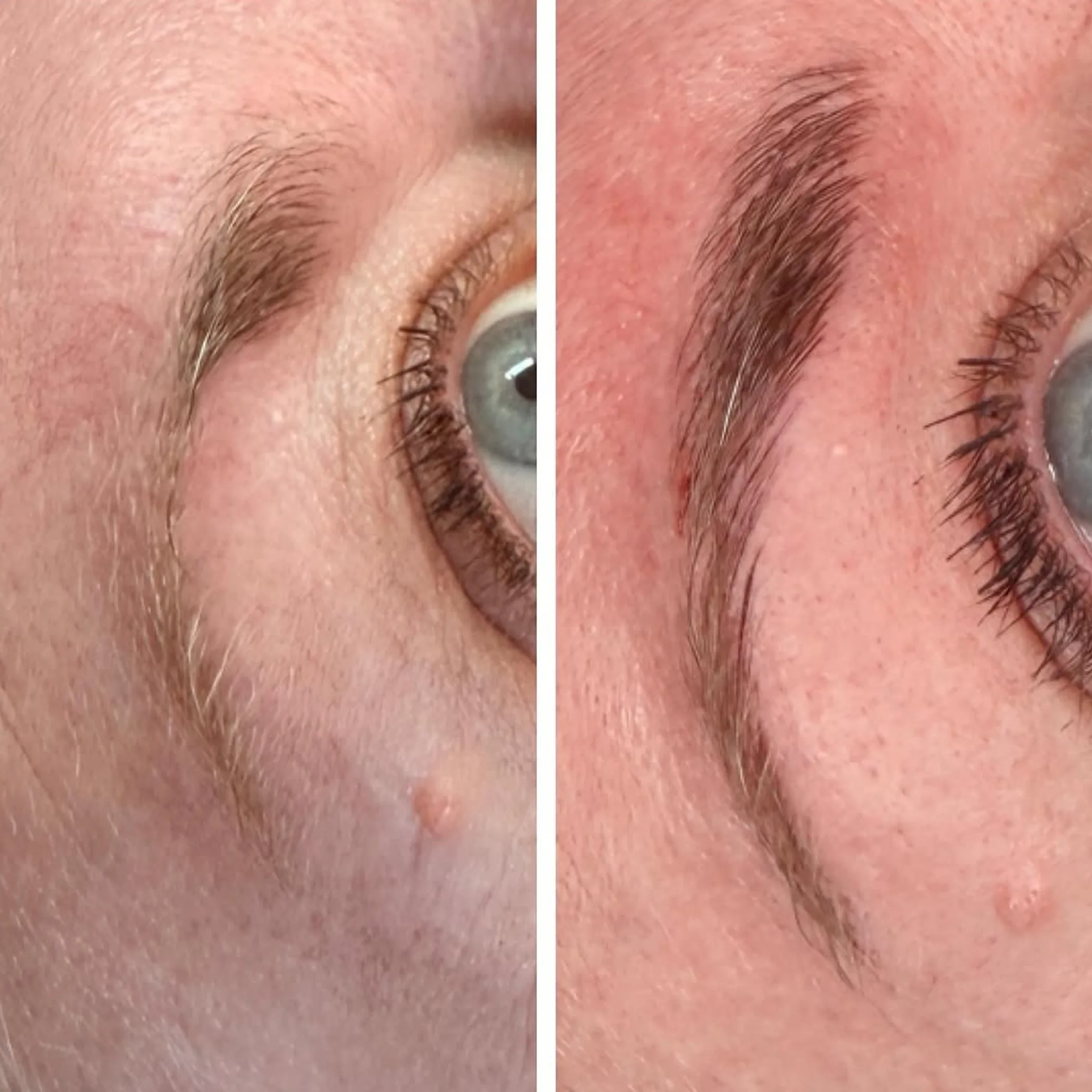
There are harmless hiccups in the course of healing and some that are not. The art is in telling them apart without poring over a magnifying mirror in the middle of the night.
Should you find your symptoms are on the upturn or there are systemic signs of illness, this is no longer a beauty matter and medical opinion is in order.
- Seek medical review promptly if you have spreading redness, increasing heat, significant swelling after the early phase, pus, strong odour, fever, or escalating pain. These can be infection signs.
- Contact your technician if pigment loss looks unusual, the shape appears uneven after full healing, or you suspect a reaction to aftercare products.
- Consider corrective options later, not during active healing. Corrections may include touch-up work, colour adjustment, saline removal planning, or specialist referral.
An allergy to the pigment is not as frequent as plain irritation but it does occur. If you have a rash that will not go away, hives, raised areas or an inflammatory response that is late in coming, have it assessed by a doctor. Resist the urge to put a diagnosis on yourself from social media; you will find as much nonsense there as sardines in a tin.
Photos You Should Be Requesting
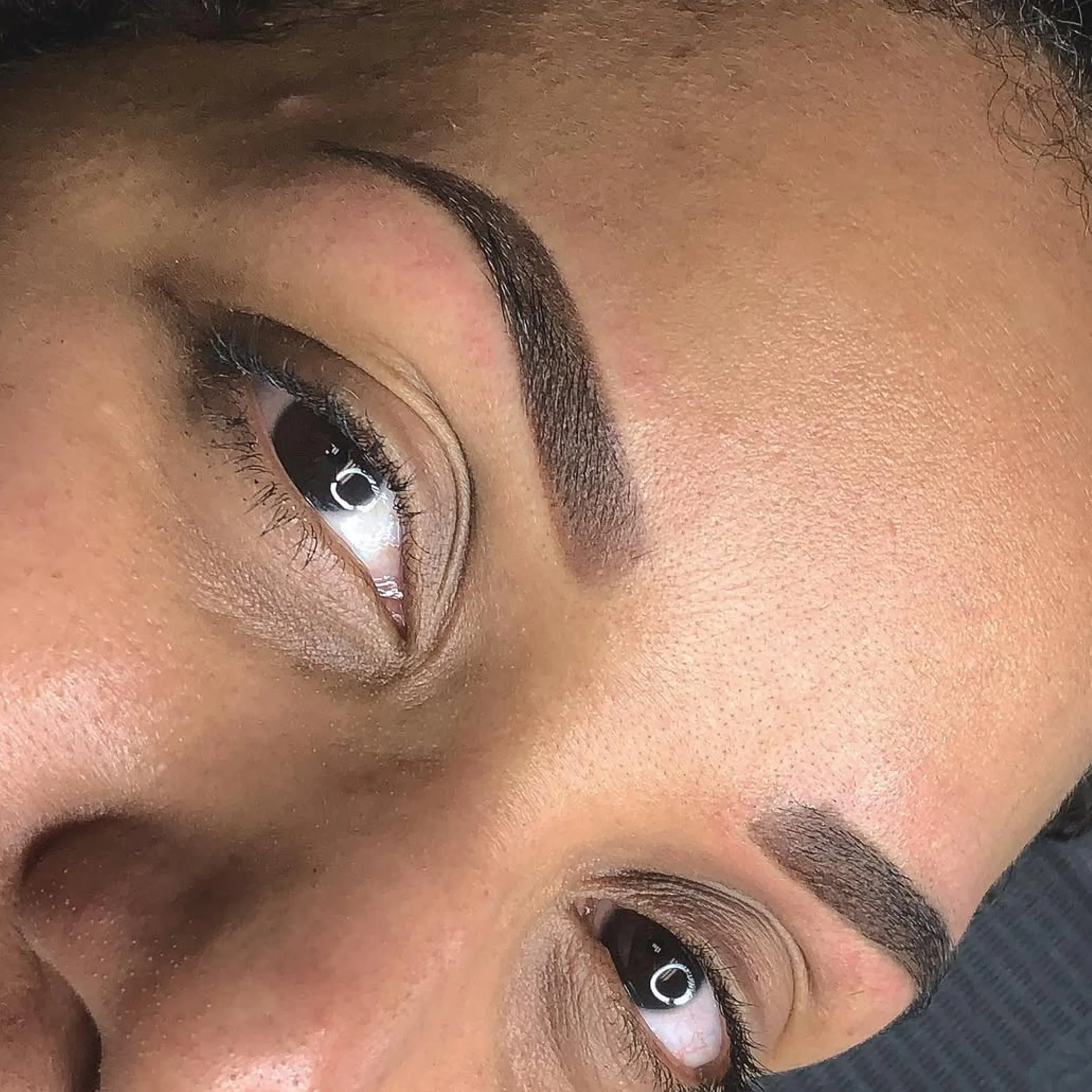
When it comes to vetting a technician, do not be swayed by fresh work alone for all that shape and colour it displays. A healed photo is of greater import: it speaks to an artist’s skill and restraint and his or her grasp of what skin does with time.
Put in for a timeline of photos, from day one through to week four and the healed outcome post touch-up if they have it. “May I see some pictures of how the lip blushing has healed?” is hardly a fussy thing to say to someone contemplating lips, it is just sensible.
The Intended Audience
We put together this guide with the first-time PMU client in mind, or those who are weighing up brows, eyeliner and lips, and the sort of person who heals at a leisurely pace and is inclined to overanalyse the smallest of changes. Those with medical complications of a certain clarity would be better served by a clinician.
Should your appointment be only a day away and you need to make preparations, get to the practicalities: a clean pillowcase, sunglasses, nothing strenuous on the exercise front, mild food if you are having your lips done and make sure you can keep out of the sun. It is helpful if a little boring.
A Word From Anna
There is little elegance to the way permanent makeup heals but one can put a clock on it. First it is dark, then flaky, then a bit of a ghost before the skin calms down and the true colours come out. For most there is no call for a miracle cream or to send off a panicked message. All that is required is self-control and a sense of the timeline so as not to meddle.
I will be plain about it: people are prone to judge too early, to over-moisturise, to wet the area or put themselves in strong sun, or to pick at flakes in the name of “helping”. In fact you are stirring the pot. Do not. Have some aftercare discipline and wait till the healing is done to make your assessment.
Frequently Asked Questions
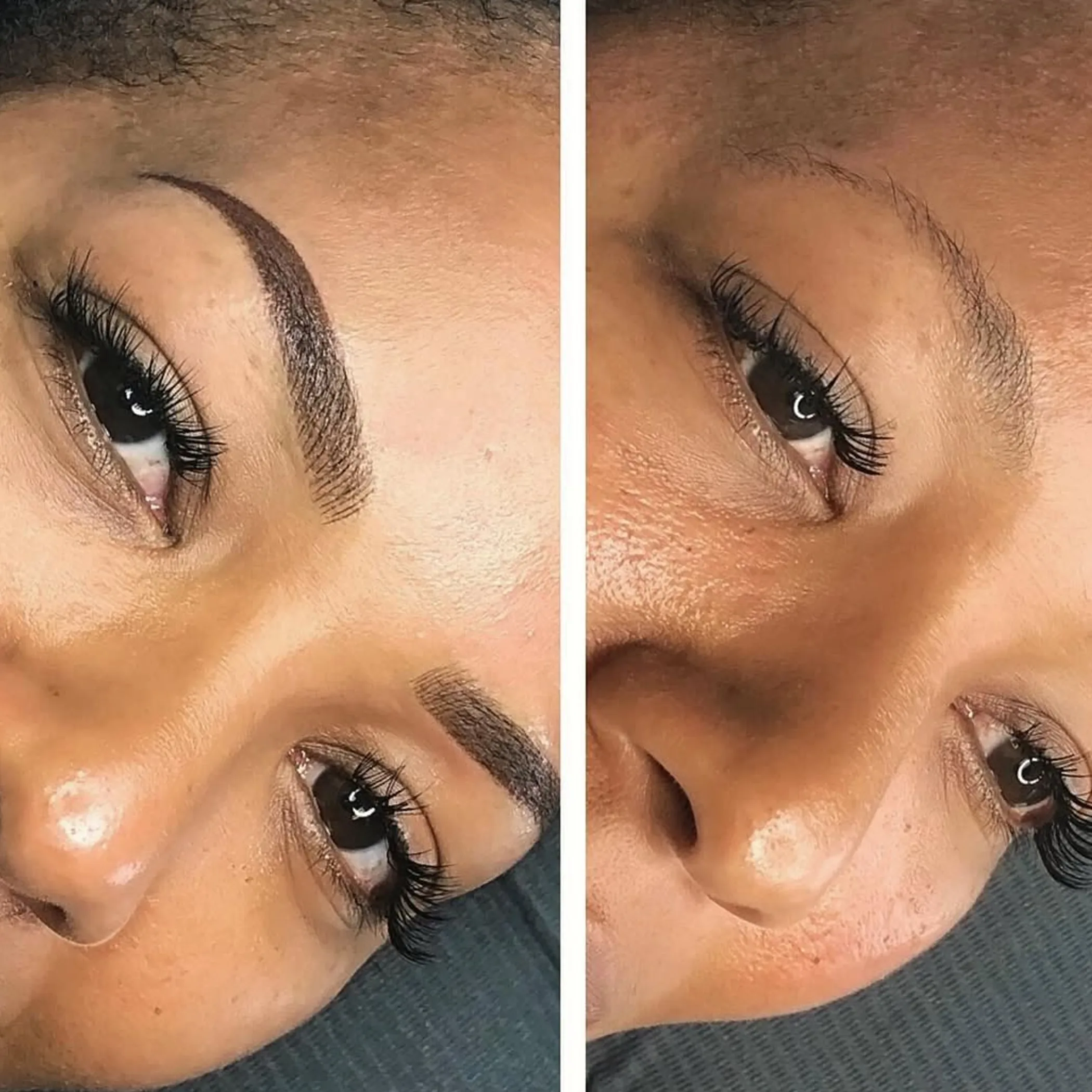
You will hear these questions from clients a lot, come day four when the mirror is being uncooperative.
How long is the healing period for permanent makeup?
Give it 7–14 days for the surface to heal, though 4–8 weeks may pass before the skin and colour have fully settled. The inner healing goes on even once the flakes are off, which is why brows seem to mend quicker than lips or eyeliner.
What should I not be doing in the aftermath?
Scabs are not to be picked, nor the area rubbed or made up before you have been given the go ahead. No swimming, sauna or strong sun exposure and do not douse the site with aftercare ointment. Keep active skincare at bay unless your provider has other instructions.
“Can you show me the lip blushing healing process?”
Any technician worth their salt will have their own timeline of photos to put in front of you, fresh and peeling to fully healed. Make sure to ask for them on a variety of skin tones and whether they are pre or post touch-up.
Is inflammation to be expected and for how long?
For 24–72 hours at least, though the puffy look can linger on the lips and eyeliner. But if you are seeing more redness or pain and less ease, have a look in for any sign of infection.
Why is my permanent makeup so light once the flaking is over?
Ghosting will do that. The colour seems patchy or faint until it resurfaces. Hold off on passing judgement on retention until the review period is up.